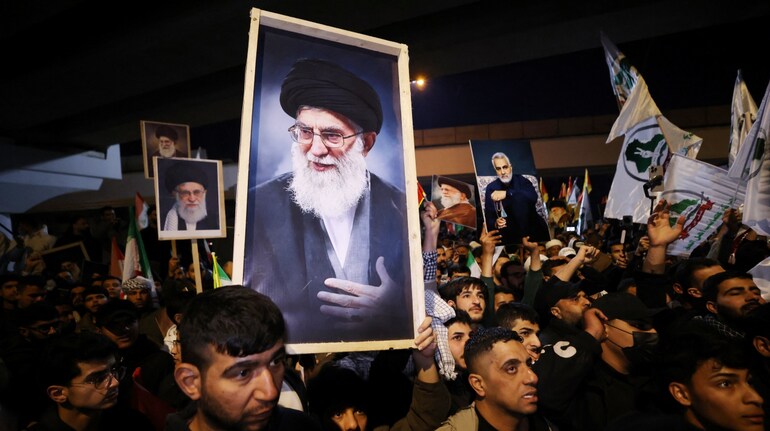

The death of Iran’s Supreme Leader Ayatollah Ali Khamenei in the recent US Israeli strikes has triggered debate in India over the government’s decision not to issue a condemnation. However, New Delhi’s reaction is not an outlier. None of the G7 democracies publicly expressed condolences after Khamenei’s death, highlighting how many leading Western governments viewed Iran’s leadership and its role in regional conflicts.
Instead of mourning statements, several leaders either welcomed the development or used the moment to criticise the Iranian regime. The responses underscore how polarising Khamenei had become globally, particularly among Western democracies that have long accused Iran of destabilising the Middle East.
India stresses diplomacy and stability
India has avoided direct criticism or endorsement of the strike. Prime Minister Narendra Modi said the developments in West Asia were deeply concerning and called for dialogue to resolve tensions.
“India stands for peace and stability,” Modi said during a press briefing.
He reiterated that India consistently supports diplomatic engagement in international disputes.
“India has always called for dialogue and diplomacy to find a solution to such disputes,” he said.
The cautious tone reflects India’s strategic balancing in the Middle East. New Delhi maintains close security ties with Israel while also preserving economic and diplomatic relations with Gulf countries and Iran. Millions of Indian citizens also live and work across the Gulf region, making regional stability a critical concern for the government.
Western leaders used harsh language
The reaction among Western governments was markedly different. Several leaders openly criticised Khamenei and the Iranian regime.
US President Donald Trump described Khamenei as “one of the most evil people in history.”
Israeli Prime Minister Benjamin Netanyahu also defended the strike and said it marked justice after decades of hostility.
“For 47 years, the regime chanted ‘Death to Israel.’ Justice has been served,” Netanyahu said.
Other leaders echoed similar sentiments. Argentina’s President Javier Milei called Khamenei “one of the most evil, violent, and cruel persons ever.”
Ukraine’s official government account posted that “Nothing beats the death of a dictator.”
The United Kingdom’s Defence Secretary John Healey said very few people would mourn the leader of what he called an “evil regime.”
French officials also indicated satisfaction with the development, while leaders in Canada and Australia emphasised Iran’s destabilising role in the region rather than expressing sympathy.
Khamenei’s repeated comments on India
India’s measured response is also shaped by the complicated history between New Delhi and the Iranian leader.
Over the years, Khamenei repeatedly commented on issues India considers internal matters, drawing strong diplomatic reactions from New Delhi.
One of the earliest instances came in 2017 when Khamenei publicly raised the Kashmir issue and called on Muslims worldwide to support what he described as oppressed communities in Kashmir. Indian officials viewed the statement as interference in domestic affairs.
The controversy resurfaced in 2019 after India revoked Article 370 and reorganised Jammu and Kashmir. Khamenei again spoke about the region and urged what he described as a “just policy” toward Kashmiris.
During the communal violence in Delhi in 2020, the Iranian leader posted on social media about what he described as a “massacre of Muslims” by “extremist Hindus” and used the hashtag #IndianMuslimsInDanger. The remarks prompted strong reactions from Indian officials who said the comments ignored the complexity of the situation and echoed narratives promoted by Pakistan.
Another dispute emerged in September 2024 when Khamenei posted a message comparing the situation of Muslims in India with Gaza and Myanmar. India rejected the statement and described the remarks as “misinformed.”
Each of these incidents led to diplomatic protests, with Indian authorities summoning Iranian envoys to register objections.
India’s complex ties with Iran
Despite these tensions, India and Iran have maintained important strategic links for decades. One of the most significant projects connecting the two countries is the development of Iran’s Chabahar port, which India views as a key gateway to Afghanistan and Central Asia.
Energy cooperation has also historically been an important part of the relationship, though international sanctions have affected trade between the two countries in recent years.
India has often tried to maintain a balanced approach in the Middle East, keeping strong ties with Israel while also engaging with Iran and the Gulf states.
A polarised international response
The international reaction to Khamenei’s death reflects the sharply divided perceptions of his leadership.
Western countries have long accused Iran of supporting militant groups across the region and developing missile and nuclear programmes that threaten regional security. These concerns shaped the largely unsympathetic responses from many democratic governments after the strike.
At the same time, some diplomats and analysts warn that the killing of a sitting head of state could further escalate tensions in an already volatile region.
For India, the priority appears to remain stability and diplomacy rather than taking sides publicly.
The absence of condolences from major democracies underscores how controversial Khamenei had become on the global stage, even as the wider Middle East conflict continues to unfold.
Discover the latest Business News, Sensex, and Nifty updates. Obtain Personal Finance insights, tax queries, and expert opinions on Moneycontrol or download the Moneycontrol App to stay updated!
Find the best of Al News in one place, specially curated for you every weekend.
Stay on top of the latest tech trends and biggest startup news.