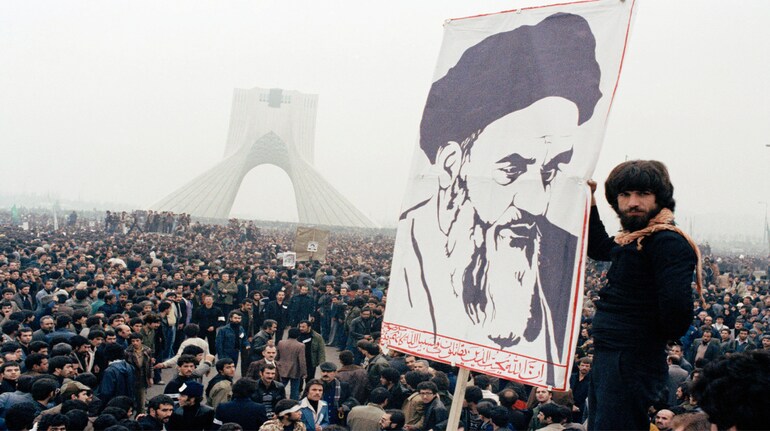

Iranian cities are preparing for more nights of unrest after a wave of anti-government protests swept across the country, despite a widening security crackdown and a near-total internet blackout.
What began in late December as anger over a collapsing currency and soaring prices has grown into a broader revolt against Iran’s political system. Over the past several days, large crowds have taken to the streets in Tehran and other major cities, chanting against the Islamic Republic, setting fires, and clashing with security forces, according to eyewitness accounts and verified videos circulating online and on Persian-language satellite channels, the New York Times reported.
Authorities have responded with a show of force. Iran’s armed forces said they would protect “strategic infrastructure and public property,” while police and plainclothes militias have been deployed across major urban centres. Human rights groups say dozens of people have been killed since the unrest began, including children and bystanders.
Supreme Leader Ayatollah Ali Khamenei has taken a hard line, accusing protesters of vandalism and blaming foreign powers, particularly the United States, for stirring the unrest. President Donald Trump, meanwhile, has warned Tehran against using lethal force, saying Washington would respond if demonstrators were massacred, though he has not explained what form that response would take. Secretary of State Marco Rubio said this weekend that the US “supports the brave people of Iran.”
What sparked the protests?
Iran’s economy has been under intense strain for years, battered by Western sanctions linked to its nuclear program and further weakened by last year’s brief but costly war with Israel. In late December, the rial plunged sharply against the dollar, pushing prices of basic goods even higher in a country already struggling with inflation.
The first demonstrations were led by merchants and university students. But as frustration spilled into the streets, the slogans quickly shifted from economic demands to open defiance of the political system. Protesters have been heard chanting against the supreme leader and calling for fundamental change.
How big are the demonstrations?
Monitoring groups say protests have spread to dozens of cities across the country. In Tehran, thousands of people have marched through neighborhoods that cut across social classes, from working-class districts to more affluent areas.
Rights groups estimate that at least 40 people have been killed since the protests began, though exact figures are difficult to verify because of restrictions on journalists and the communications blackout. Videos verified by international media show wounded protesters being carried away and bodies lying on hospital floors.
How is the government responding?
At first, officials tried to ease tensions by announcing small cash payments to citizens and acknowledging public frustration. President Masoud Pezeshkian has said people’s grievances are legitimate and replaced the head of the central bank.
But in recent days, the tone has shifted sharply. The Revolutionary Guards warned that protecting the Islamic Republic is a “red line,” and Iran’s prosecutor general said those involved in the unrest would face harsh punishment, even invoking charges that can carry the death penalty.
What about the international reaction?
Iran’s leaders are also wary of foreign pressure. Israeli officials have voiced support for the protesters, and Trump has repeatedly warned Tehran against a violent crackdown, though he has stopped short of openly calling for regime change.
Iranian officials, for their part, have warned that any outside interference could trigger retaliation against US interests in the region.
The unrest has also revived attention on Reza Pahlavi, the exiled son of Iran’s last shah, who has urged Iranians to keep protesting and called for strikes in key industries. Some crowds have echoed his slogans, though analysts say it remains unclear how much real support he commands inside the country.
For now, Iran appears headed for more confrontation. With public anger still boiling and the state relying increasingly on force, the coming days may determine whether this wave of protests fades or turns into a deeper political crisis.
Discover the latest Business News, Sensex, and Nifty updates. Obtain Personal Finance insights, tax queries, and expert opinions on Moneycontrol or download the Moneycontrol App to stay updated!
Find the best of Al News in one place, specially curated for you every weekend.
Stay on top of the latest tech trends and biggest startup news.