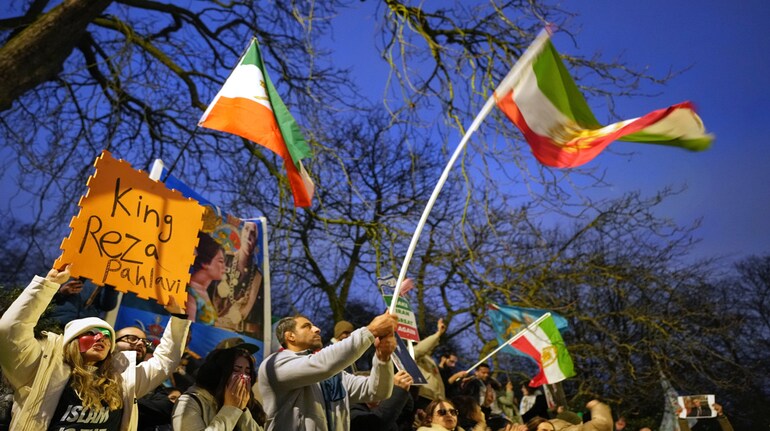

After a week of the largest nationwide protests Iran has seen in years, the streets have fallen quiet again. The calm, enforced by a sweeping security crackdown and an unprecedented digital blackout, feels fragile rather than permanent. While the authorities appear to have regained control, the forces that pushed thousands of Iranians into the streets have not disappeared.
The demonstrations began as economic protests in Tehran’s bazaars before spreading rapidly across the country. What alarmed the leadership was not only the scale of the unrest, but its tone. Calls for the fall of the regime and, in some cases, the return of the monarchy marked a sharp break from earlier protest movements, CNN reported.
A crackdown designed to send a message
The state’s response was swift and uncompromising. Security forces moved decisively to suppress protests, while internet access was sharply curtailed, cutting Iranians off from the outside world. US-based rights group HRANA says nearly 3,000 people have been killed since the crackdown began, figures that cannot be independently verified but point to the intensity of the violence.
The scale of the repression suggests a leadership determined to demonstrate that dissent will be met with force, especially as the Islamic Republic prepares to mark the anniversary of the 1979 revolution that brought it to power.
External pressure and the risk of escalation
The unrest has unfolded alongside renewed tensions between Iran and the United States. President Donald Trump repeatedly warned of military action if violence against protesters continued, though he later said he had been told the killings had stopped, easing immediate fears of strikes.
Regional powers including Qatar, Saudi Arabia and Egypt are reported to have urged Washington to avoid escalation, warning of severe economic and security consequences for the wider Middle East.
Diplomacy from a weaker position
For now, diplomacy appears to have edged out confrontation. Trump’s envoy has spoken publicly about direct contacts with Iran’s foreign minister, and analysts say neither side is eager for another war.
But if talks resume, Iran would enter them from a weakened position. US strikes last year badly damaged key nuclear facilities, and Israel has significantly reduced Iran’s network of regional proxies. That shift has narrowed Tehran’s leverage and limited its room for manoeuvre.
A broken social contract at home
Inside the country, analysts argue the deeper crisis is political legitimacy. Many say the social contract between the state and society has been irreparably damaged. The regime has shown it is willing to use extreme violence against its own citizens, reinforcing long-standing grievances over repression, economic hardship and the lack of political and social freedoms.
While earlier protest movements produced limited concessions, such as partial relaxation of social controls, the current unrest is seen as more fundamental and more difficult to contain.
Few clear paths to change
Opposition forces outside Iran remain fragmented. Figures such as Reza Pahlavi, the exiled son of the last Shah, have struggled to unite a broad coalition and are viewed as deeply divisive inside the country. Analysts say meaningful change is more likely to come from within Iran’s existing power structures than from external pressure or exile politics.
The most likely outcome, for now, is neither immediate collapse nor genuine reform. Iran’s leadership may survive this moment through repression and limited compromise, but the protests have altered the landscape. As several analysts warn, the unrest may be quiet for now, but few believe it is over.
Discover the latest Business News, Sensex, and Nifty updates. Obtain Personal Finance insights, tax queries, and expert opinions on Moneycontrol or download the Moneycontrol App to stay updated!
Find the best of Al News in one place, specially curated for you every weekend.
Stay on top of the latest tech trends and biggest startup news.