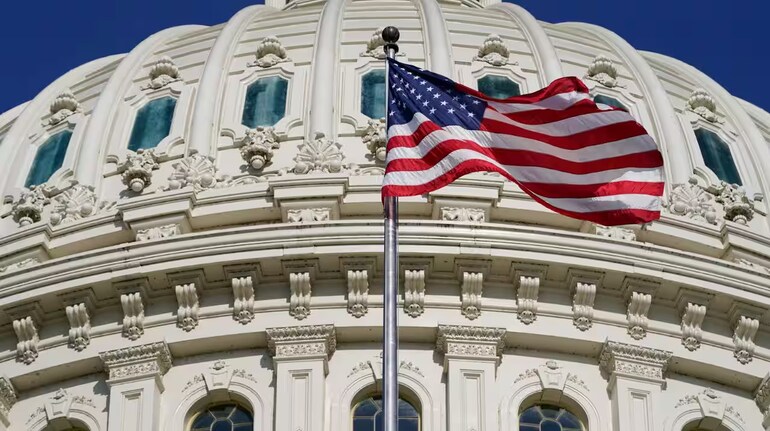
The framers of the US Constitution were wary of giving any single leader the authority to start a war. Their solution was straightforward: US Congress would decide when the country went to war, while the president would command the military once that decision had been made.
On paper, that arrangement still exists. In practice, it has been eroding for decades, the New York Times reported.
US President Donald Trump’s decision to launch military strikes on Iran without asking Congress to formally authorise the conflict has brought the issue back into focus. Critics argue that it represents another step in a long-running shift that has steadily concentrated war-making authority in the presidency.
But the shift did not begin with Trump. It has been unfolding for most of the modern era.
The slow change after World War II
For much of the country’s early history, the constitutional process was followed. Congress formally declared war during conflicts such as the War of 1812, the Spanish-American War and both World Wars.
After World War II, however, the pattern began to change.
During the Cold War, American presidents increasingly ordered military actions abroad without seeking formal declarations of war. These operations were usually described as limited interventions, defensive moves or temporary deployments rather than full-scale wars.
That framing mattered politically and legally. If a mission was not officially called a war, presidents argued that they did not need Congress to declare one.
Congress did push back occasionally. But more often than not, lawmakers hesitated to challenge the president directly. Voting against military action could be politically risky, especially once troops had already been deployed.
Over time, that hesitation created a quiet new normal.
Precedent piled on precedent
Once one administration established a legal justification for acting without Congress, the next administration could build on it.
Lawyers in the executive branch developed arguments based on the president’s authority as commander in chief. If American troops, citizens or strategic interests were at risk, the president could act quickly, they argued, without waiting for a lengthy congressional debate.
Each time that argument was used successfully, it became easier to use again.
The result was not a sudden transfer of power but a gradual one. With every new precedent, the distance between what the US Constitution seemed to envision and what actually happened in Washington grew a little wider.
Why Iran has long been seen as a different case
Even with that expanded presidential authority, attacking Iran had long been considered a major threshold.
Iran is not a small regional actor. It has influence across the Middle East and ties to multiple armed groups in the region. Any direct military conflict could easily escalate beyond a limited strike.
Retaliation could target American troops, diplomatic facilities or allies. It could also disrupt oil markets and pull other countries into the conflict.
Because the potential consequences were so large, many legal scholars and lawmakers believed that launching a war with Iran was precisely the kind of decision that should involve Congress.
Congress pushes back — but only partially
In response to Trump’s actions, some lawmakers attempted to force a debate on whether the military campaign should continue without congressional authorization.
Those efforts failed.
Both the Senate and the House rejected measures that would have required the president to halt the operation unless Congress formally approved it. The votes reflected a familiar dynamic: while some lawmakers raised concerns about presidential authority, many others were reluctant to challenge the White House during an ongoing military operation.
That pattern has appeared repeatedly over the past several decades.
Congress often voices discomfort about expanding presidential power in matters of war. But when the moment arrives to assert its constitutional authority directly, the institution frequently steps back.
A gap between the Constitution and reality
The result is a system that looks very different from the one the founders designed.
In theory, Congress still holds the power to declare war. In practice, presidents have demonstrated again and again that they can send American forces into combat without waiting for that declaration.
Some of those military operations have been brief and relatively contained. Others have grown into long and costly conflicts.
The question now facing Washington is not only whether the president can legally order such actions. It is whether Congress still intends to exercise the authority the Constitution gave it — or whether that power has, over time, effectively moved to the Oval Office.
Discover the latest Business News, Sensex, and Nifty updates. Obtain Personal Finance insights, tax queries, and expert opinions on Moneycontrol or download the Moneycontrol App to stay updated!
Find the best of Al News in one place, specially curated for you every weekend.
Stay on top of the latest tech trends and biggest startup news.