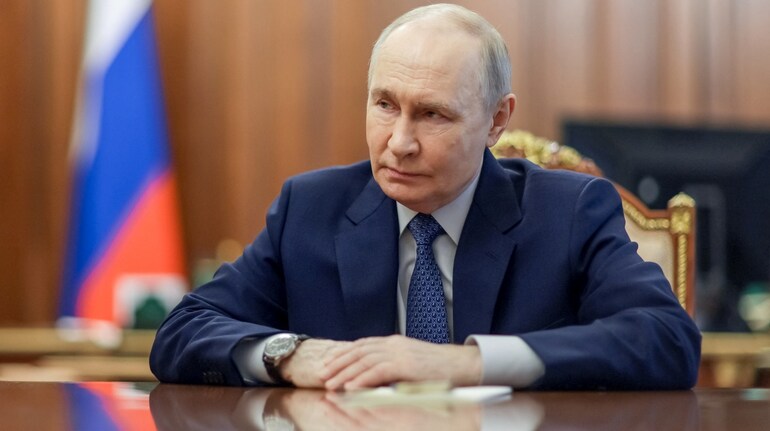

As the war involving the United States, Israel, and Iran continues to reshape the Middle East, analysts say one global leader who may be benefiting the most is Russia’s president Vladimir Putin.
Although Moscow is not directly involved in the conflict, the crisis has created several economic, strategic and diplomatic advantages for Russia. At a time when the Kremlin is still fighting its war in Ukraine and dealing with Western sanctions, the turmoil in West Asia has unexpectedly strengthened Moscow’s position.
Here are five reasons analysts say Putin may be emerging as one of the biggest beneficiaries of the conflict.
1. Higher oil prices boost Russia’s revenues
The most immediate benefit for Russia comes from the surge in global oil prices.
The war has triggered fears about disruptions in energy supplies passing through the Strait of Hormuz, one of the world’s most critical oil shipping routes. The uncertainty has pushed global crude prices above $100 per barrel.
According to the Kyiv Post, the spike could generate billions of dollars in additional revenue for Moscow.
The Economist also noted that higher oil prices directly strengthen Russia’s state finances because oil and gas exports remain the backbone of the country’s economy.
Some analysts say this windfall could help Moscow sustain its military campaign in Ukraine and offset the impact of Western sanctions.
The Telegraph reported that Russia could earn tens or even hundreds of millions of dollars more per day while prices remain elevated.
2. Sanctions pressure on Moscow has eased
Another advantage for Russia comes from shifts in global energy policy following the conflict.
According to The Washington Post, the United States temporarily allowed certain shipments of Russian oil to reach international markets in an effort to stabilise energy prices after the Iran crisis disrupted supply.
Critics say the move effectively eased some of the economic pressure on Russia that had built up since its invasion of Ukraine in 2022.
For Moscow, the timing is particularly important. Russia’s economy has faced mounting strain due to war spending and sanctions. The combination of higher oil prices and partial relaxation of restrictions has provided what some analysts describe as a “lifeline” for the Kremlin.
3. Global attention has shifted away from Ukraine
The war in the Middle East has also diverted international attention away from Ukraine.
For more than two years, Russia’s invasion of Ukraine dominated Western diplomatic and military priorities. Governments across Europe and North America focused heavily on providing weapons, financial aid and political backing to Kyiv.
However, the new conflict in West Asia has changed that dynamic.
Analysts say global leaders, media coverage and diplomatic efforts are now increasingly focused on developments involving Iran, Israel and the United States.
This shift has reduced pressure on Moscow and could weaken international momentum behind Ukraine’s war effort. Ukrainian officials themselves have warned that the crisis in the Middle East could dilute global support for Kyiv.
4. US military resources are being redirected
The Iran war is also absorbing large quantities of American military resources.
Air defence systems, missiles and other advanced weapons have been heavily used in operations across the Middle East.
Analysts say this could affect the availability of equipment that would otherwise be supplied to Ukraine.
US stockpiles of certain interceptor missiles and other defence systems are already under strain. If Washington is forced to prioritise deployments in the Middle East, Russia could face a Ukrainian military with fewer resources over time.
5. Moscow gains diplomatic influence
Beyond economics and military factors, the conflict is also shifting the diplomatic landscape.
According to Le Monde, Russia has positioned itself as a major global actor capable of engaging with multiple sides in the Middle East while criticising Western military actions.
Some analysts say the war has also exposed divisions among Western governments over strategy toward Iran and Russia.
Such disagreements can weaken the unified front that Western countries formed after Russia invaded Ukraine.
For Moscow, these cracks create opportunities to expand its diplomatic influence and present itself as an alternative power broker in global conflicts.
Discover the latest Business News, Sensex, and Nifty updates. Obtain Personal Finance insights, tax queries, and expert opinions on Moneycontrol or download the Moneycontrol App to stay updated!





Find the best of Al News in one place, specially curated for you every weekend.
Stay on top of the latest tech trends and biggest startup news.