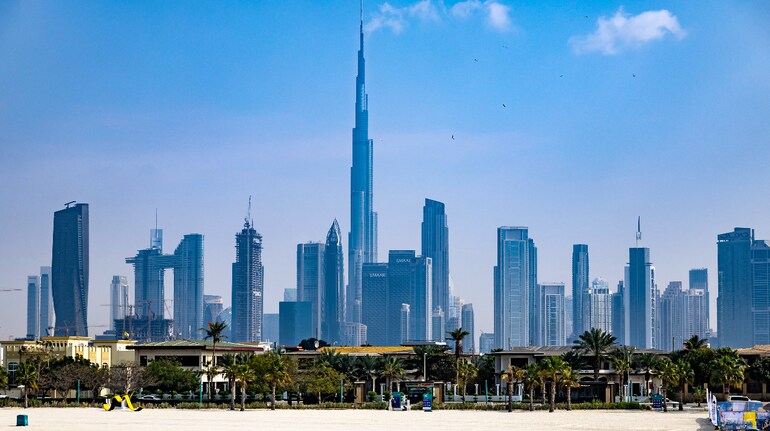

Dubai Mall is usually packed. Sitting right below the Burj Khalifa, it’s where shoppers browse Rolex watches, Hermès bags and designer labels from across the world. Big-ticket purchases are part of the everyday scene here.
But over the past few weeks, that energy has faded. Nearly three weeks into the US-Israel conflict with Iran, footfall has dropped sharply. Shops are still open, but many are quiet. Instead of crowds, there are just a handful of residents walking through, some carrying shopping bags, others simply looking around, the New York Times reported.
Why Dubai matters to luxury brands
Dubai has become one of the most important markets for luxury brands in recent years. The UAE accounts for about half of all luxury sales in the Middle East, and most of that spending happens in Dubai. Strong tourism and high local spending had kept the sector growing even as demand slowed in parts of Europe and Asia.
That’s what makes the current situation so concerning for the industry.
War disrupts travel and confidence
The recent attacks have shaken the image Dubai has built over decades as a safe, stable place in a volatile region. Drone strikes have already hit key locations, including Dubai International Airport, and even caused a fire at the Burj Al Arab hotel.
Travel plans have been disrupted, and many visitors have either cancelled trips or tried to leave. For luxury brands, fewer tourists immediately translates into lower sales. Analysts estimate that luxury sales in the Middle East could drop sharply this month as international travel slows down.
Brands and executives on edge
Executives are watching the situation closely. If the conflict remains short, the impact may be temporary. But if it drags on, the damage could be much deeper, especially for a city that has become central to global luxury growth.
Dubai’s malls, especially Dubai Mall and Mall of the Emirates, are home to major global brands like Chanel, Gucci and Saint Laurent. Together, they attract more than 140 million visitors each year. A sustained drop in footfall would be hard to absorb.
A growth story under pressure
The region itself has been one of the brighter spots for luxury spending. Sales in the Gulf grew steadily in recent years, supported by wealthy residents and rising tourist numbers.
In fact, Dubai saw close to 20 million international overnight visitors last year, helped by aggressive tourism promotion and infrastructure investment. That growth story is now facing its first real test in years.
Signs of normal life, for now
For now, there are still signs of normal life. Some residents continue to shop, even as uncertainty hangs in the background. But supply disruptions are already showing up, with certain products not available due to halted shipments.
What happens next will depend largely on how long the conflict lasts. If stability returns
quickly, Dubai’s retail sector could bounce back. But if tensions continue, one of the world’s
most important luxury hubs may have to deal with a much slower period ahead.
Discover the latest Business News, Sensex, and Nifty updates. Obtain Personal Finance insights, tax queries, and expert opinions on Moneycontrol or download the Moneycontrol App to stay updated!
Find the best of Al News in one place, specially curated for you every weekend.
Stay on top of the latest tech trends and biggest startup news.