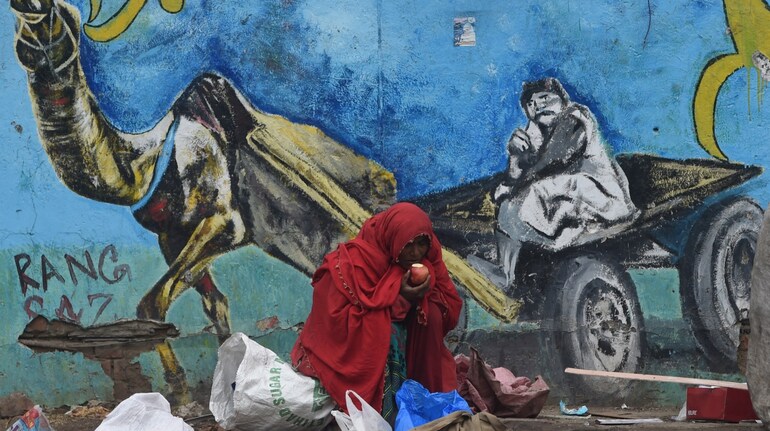
“We shall eat grass, even go hungry, but we will get one of our own (nuclear bomb)...” declared the then Pakistani Prime Minister Zulfikar Ali Bhutto in the 1970s. The chilling promise has since become the foundational doctrine of Islamabad’s national policy.
Decades later, that ethos continues to define Pakistan’s lopsided priorities. The Shehbaz Sharif-led government is set to increase its defence budget by 18 per cent for the next fiscal, beginning in July, bringing military spending to over Rs 2.5 trillion. The announcement is likely to be made in the budget presentation on June 2.
This comes at a time when Pakistan teeters on the edge of economic collapse. Its inflation stands at over 38 per cent, its foreign exchange reserves are barely enough to cover two months of imports, and the country continues to survive on International Monetary Fund (IMF) bailouts to avoid default.
The decision to increase military spending follows Pakistan’s latest embarrassment in the face of Indian military superiority, particularly after the Pahalgam terror attack and subsequent Indian retaliation under Operation Sindoor. Despite facing global criticism and dwindling support, Pakistan's military establishment remains focused on bolstering its conventional and nuclear capabilities.
Economic struggles vs military expenditure
Pakistan's economy continues to face a significant downturn, reeling under high external debt, a weak local currency, and dwindling foreign exchange reserves. With inflation hitting more than 38 per cent, the increase in defence spending is set to further risk derailing economic reforms.
The military absorbs a substantial portion of the GDP – for FY2025, it stood at 2.3 per cent of the GDP, exceeding equivalent figures for India, China, and the European Union.
Data suggests that Pakistan’s defence budget experienced annual growth of 12.6 per cent between FY17 and FY25, compared to India’s 8 per cent. In contrast, education and healthcare were allocated merely 2 per cent and 1.3 per cent of the GDP, respectively.
In June 2024, geostrategist and academic Brahma Chellaney wrote on X: “Pakistan's tax revenues are relatively modest, but its defense spending is massive, largely because the military is the country's de facto ruler. A bankrupt Pakistan is already receiving one IMF bailout and is seeking another, yet it unveils a 17.6% rise in its big defence budget.”
IMF bailouts and fiscal discipline
Pakistan’s worsening economic instability is underscored by its increasing dependence on IMF bailouts - 25 loans since 1950, including four in last five years. As of March 31, 2025, the country’s outstanding loans from the IMF stood at $6.2 billion, according to the fund’s data.
The IMF has defended its recent bailout package to Pakistan, affirming that the country had complied with all set conditions required for the aid's disbursement. However, the IMF has also imposed 11 new conditions for its $1 billion bailout tranche, citing risks from escalating India-Pakistan tensions. These conditions include a PKR 17.6 trillion budget and agricultural tax reforms.
In March this year, China rolled over a USD 2 billion loan to its ‘ironclad friend’ Pakistan. It needs to repay over USD 22 billion in external debt in fiscal year 2025, including nearly USD 13 billion in bilateral deposits, Fitch said.
Bottom line
Pakistan’s 18% defence budget hike in the face of economic collapse is not just fiscally irresponsible, it’s morally bankrupt. The obsession with military might, deeply rooted in Bhutto’s “we shall eat grass” doctrine, continues to override logic, economic prudence, and basic human needs.
Pakistan’s generals and political elites appear more invested in preserving the illusion of strategic parity with India than in uplifting the lives of their own citizens. Worse still, they do so while living off borrowed money from institutions like the IMF, all while dodging real reforms and accountability.
Discover the latest Business News, Sensex, and Nifty updates. Obtain Personal Finance insights, tax queries, and expert opinions on Moneycontrol or download the Moneycontrol App to stay updated!
Find the best of Al News in one place, specially curated for you every weekend.
Stay on top of the latest tech trends and biggest startup news.