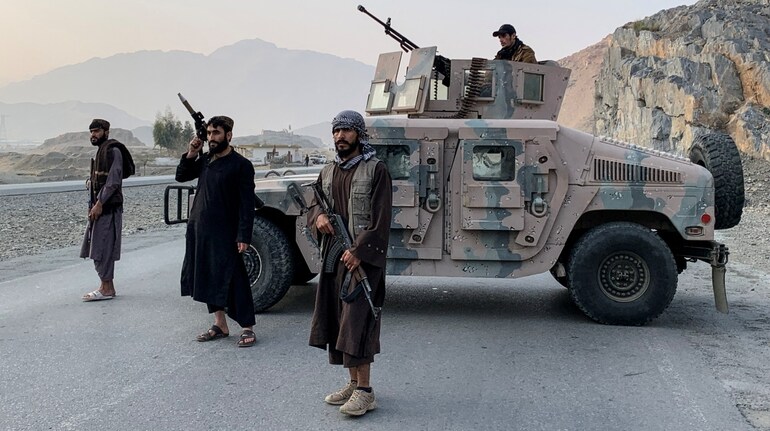

In August 2021, when the Taliban swept into Kabul, Pakistan was widely seen as the biggest regional beneficiary. For years, Islamabad had backed the Taliban as part of its so-called “strategic depth” doctrine. Pakistani officials openly welcomed the Taliban takeover, and senior leaders were among the first to engage the new regime. What was projected as a friendly, ideologically aligned government in Kabul was supposed to secure Pakistan’s western flank.
Five years later, the two neighbours are exchanging artillery fire along the Durand Line and are on the brink of open war. What went wrong?
Here are three probable reasons that have transformed Pakistan’s “strategic asset” into what many analysts now describe as a “strategic nightmare”.
1. The TTP blowback
The most immediate trigger has been the resurgence of the Tehrik-e-Taliban Pakistan. Islamabad claims that TTP fighters operate from Afghan soil and enjoy sanctuary under Taliban rule. Cross-border attacks inside Pakistan have surged since 2021, targeting security forces and police installations.
Instead of acknowledging that years of nurturing militant proxies have boomeranged, Pakistan’s military establishment under Asim Munir has chosen escalation. Airstrikes inside Afghanistan and repeated cross-border operations have followed.
Kabul denies sheltering the TTP and accuses Pakistan of using the issue as a pretext to violate Afghan sovereignty. Independent assessments have noted that the Afghan Taliban and the TTP are ideologically close but not organisationally identical. Yet Pakistan’s heavy-handed approach appears to have hardened attitudes in Kabul rather than forced compliance.
The irony is stark. A militant ecosystem once encouraged for influence in Afghanistan has now metastasised into a domestic security crisis for Pakistan.
2. The Bagram speculation
Another layer of suspicion surrounds Bagram airbase, the former US military hub abandoned in 2021. Social media, particularly on X, has been rife with speculation that Pakistan may be trying to position itself as a broker if US President Donald Trump pushes to regain access to Bagram.
Trump has previously said, “We should have kept Bagram,” highlighting its strategic value.
While there is no official confirmation linking current clashes to Bagram, critics argue that Islamabad’s aggressive posture could be aimed at destabilising areas of Afghanistan to regain strategic leverage with Washington. If true, such a move would signal that Rawalpindi is willing to gamble regional stability for geopolitical favour.
For Kabul, any perception that Pakistan is manoeuvring around Bagram would be seen as a direct threat to sovereignty.
3. India’s growing footprint in Kabul
Perhaps the most sensitive factor is Afghanistan’s quiet but visible outreach to India. Despite earlier hostility, the Taliban have engaged with New Delhi on humanitarian aid, infrastructure, and diplomatic coordination.
Pakistan has repeatedly accused India of backing militant groups inside its territory, claims that New Delhi denies. Analysts say Islamabad’s discomfort stems less from evidence and more from losing exclusive influence in Kabul.
For decades, Pakistan sought to limit India’s presence in Afghanistan. The Taliban’s willingness to engage India undercuts that monopoly. As Afghanistan diversifies its partnerships, Pakistan’s leverage shrinks.
From “brotherly” rhetoric in 2021 to artillery duels in 2026, the rupture underscores a deeper reality. Pakistan’s long-standing strategy of using militant proxies and political manipulation in Afghanistan has unravelled. Under Asim Munir’s watch, coercion appears to have replaced diplomacy.
Discover the latest Business News, Sensex, and Nifty updates. Obtain Personal Finance insights, tax queries, and expert opinions on Moneycontrol or download the Moneycontrol App to stay updated!
Find the best of Al News in one place, specially curated for you every weekend.
Stay on top of the latest tech trends and biggest startup news.