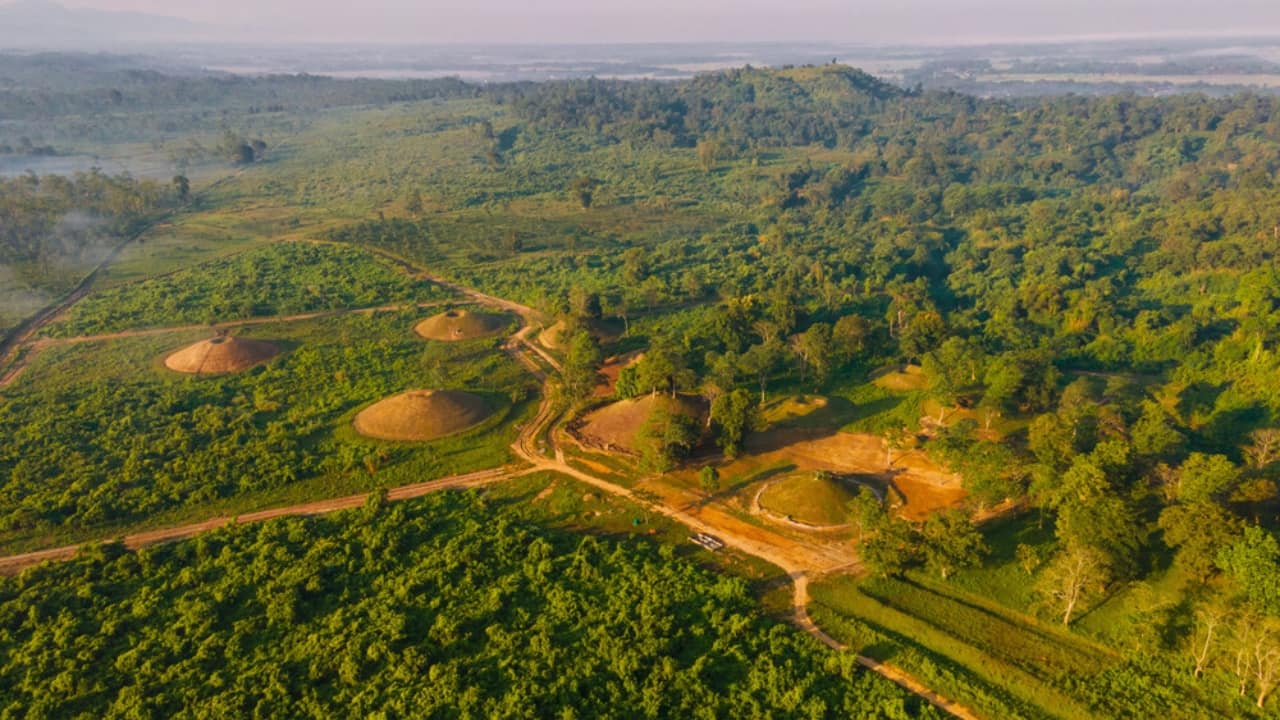
 Tucked away in the tranquil foothills of the Patkai Ranges in eastern Assam lies a remarkable piece of history—the Moidams, the royal tombs of the Tai-Ahom dynasty. Shrouded in mystery and often overlooked by the masses, these ancient burial mounds offer a rare and captivating window into the funerary practices of one of the longest-reigning dynasties in India, the Ahoms, who ruled the region for over 600 years. (Image: UNESCO)
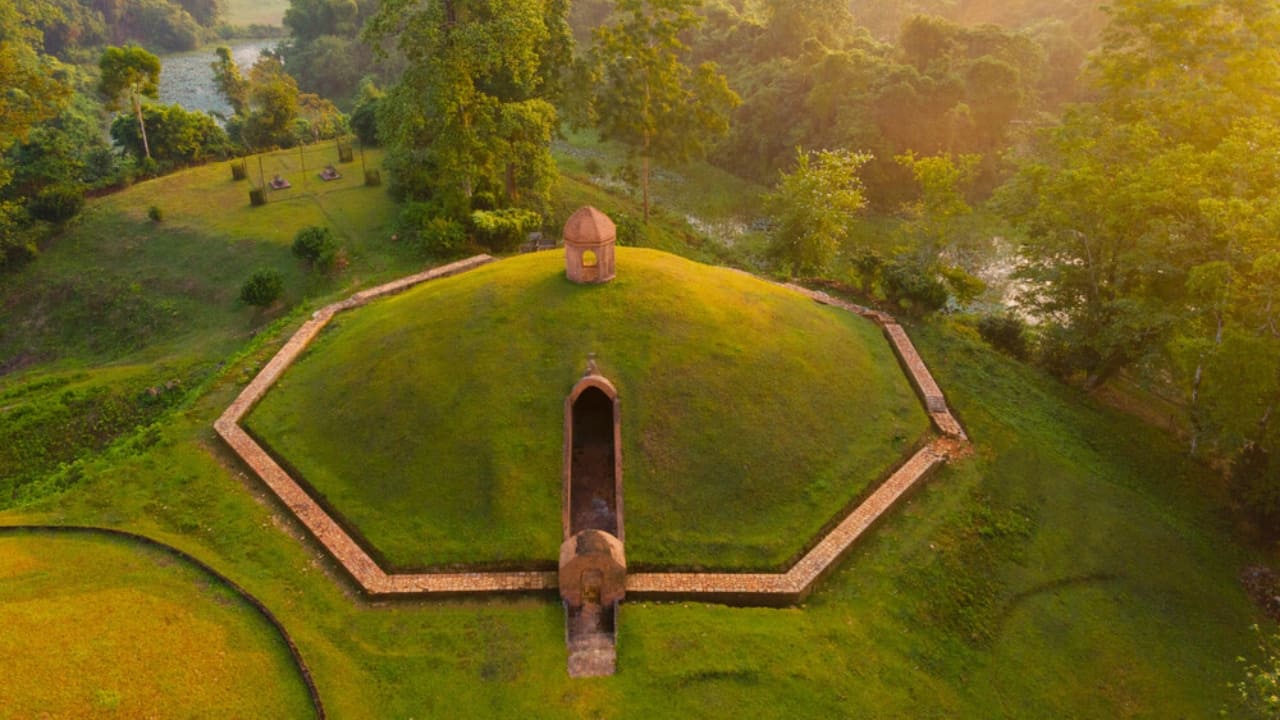 The story of the Moidams begins in the 13th century, when the Tai-Ahom people arrived in Assam and established their first capital, Charaideo. It was here that they created a sacred necropolis for their deceased kings and other members of the royal family. (Image: UNESCO)
 The term "Moidam" translates to “home-for-spirit,” reflecting the deep reverence the Ahoms had for their monarchs, whom they believed to be divine. Over several centuries, the Moidams evolved from simple wooden mounds to more elaborate structures made of stone and burnt bricks, as detailed in the ancient Ahom texts, particularly the Changrung Phukan. (Image: PTI)
 The royal burial mounds were not just places of rest for the Ahoms; they were sacred spaces designed with symbolic meaning. Buried with their kings were offerings such as food, horses, elephants, and sometimes even queens and servants, a testament to the belief in an afterlife where such items would be needed. This practice reflected the immense wealth and power of the Ahom monarchy, as well as the hierarchy that governed their society. (Image: UNESCO)
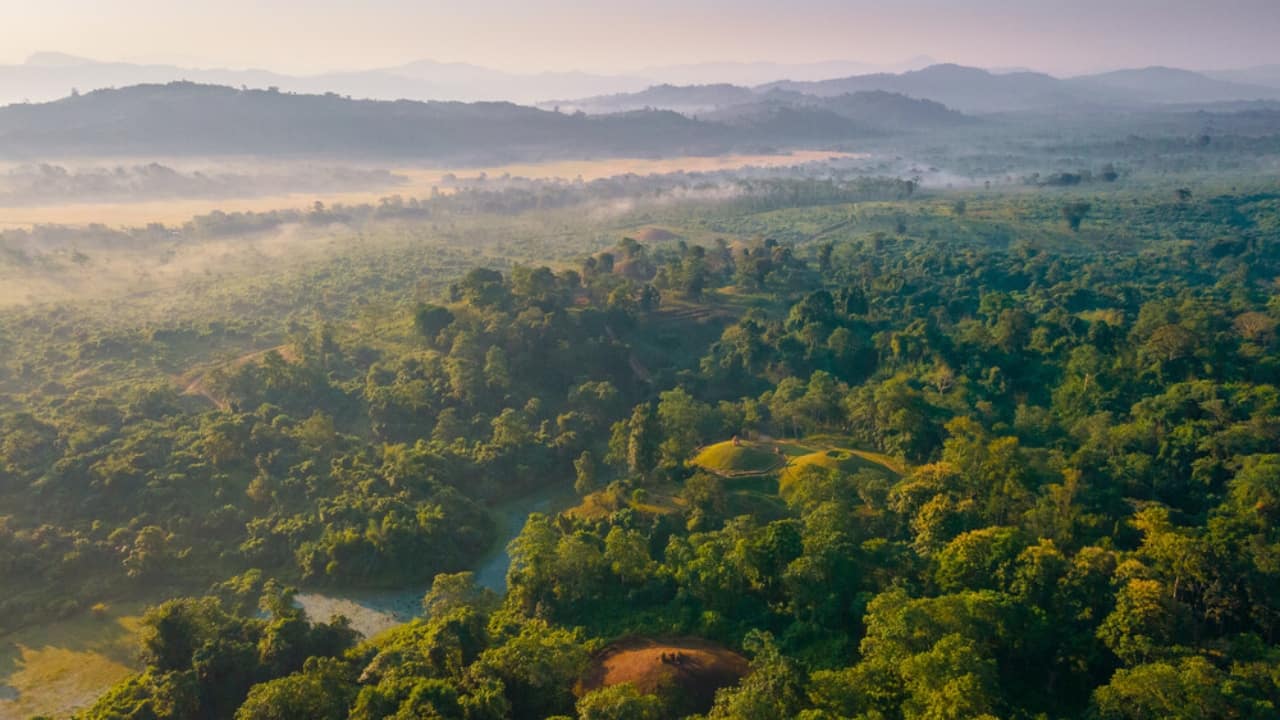 What makes the Moidams of Charaideo truly exceptional is their integration with nature. The necropolis is a harmonious blend of man-made structures and the surrounding landscape, incorporating hills, forests, and water bodies into its design. This intentional choice of location was no coincidence—the Tai-Ahoms believed that these elements of nature enhanced the sacredness of the site, creating a sacred geography where the divine and earthly realms could meet. (Image: UNESCO)
 Today, Charaideo’s Moidams remain one of the most well-preserved sites of their kind, with ninety tombs scattered across the area in varying sizes. These mounds are still the site of rituals, including “Me-Dam-Me-Phi” and “Tarpan,” which are performed by the local Tai-Ahom community to honor their ancestors. These traditions, which date back centuries, keep the spirit of the Ahom dynasty alive in the modern age. (Image: PIB)
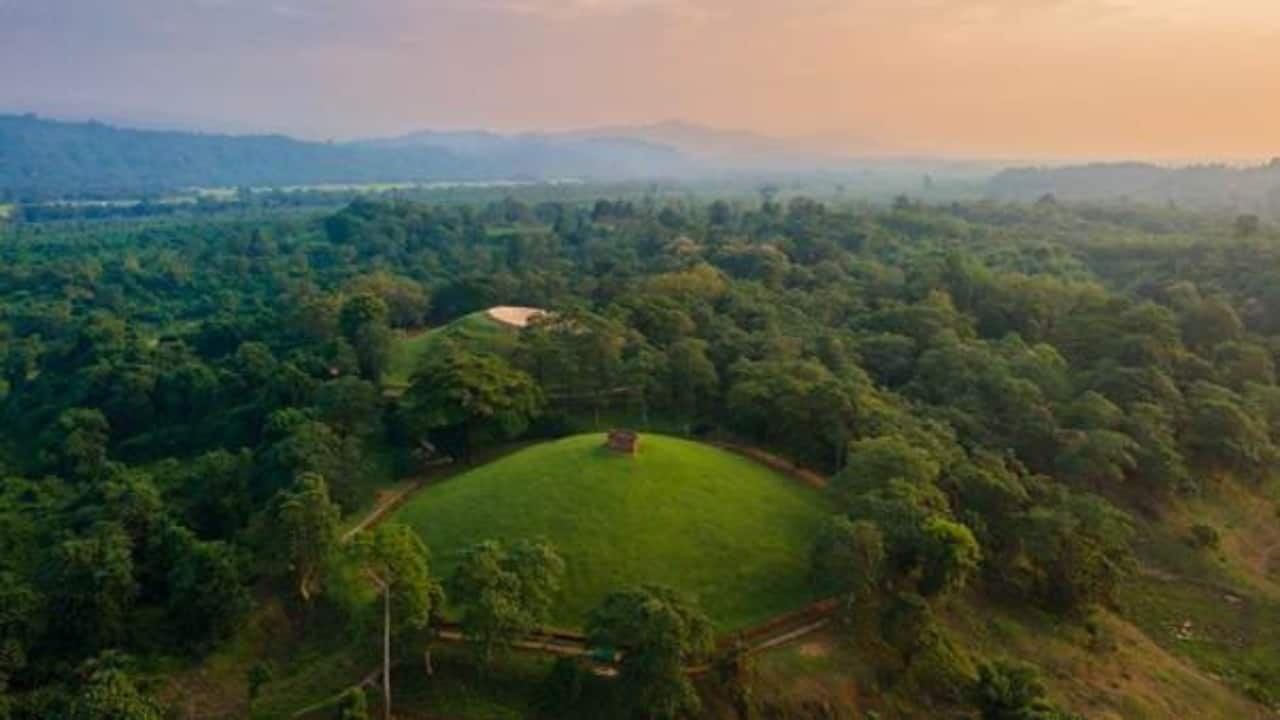 While similar burial mounds, or Moidams, can be found scattered throughout the Brahmaputra Valley, those at Charaideo stand out for their historical significance and level of preservation. The site is a perfect destination for history enthusiasts, offering a chance to step back in time and witness the unique traditions of the Ahom people. (Image: PIB)
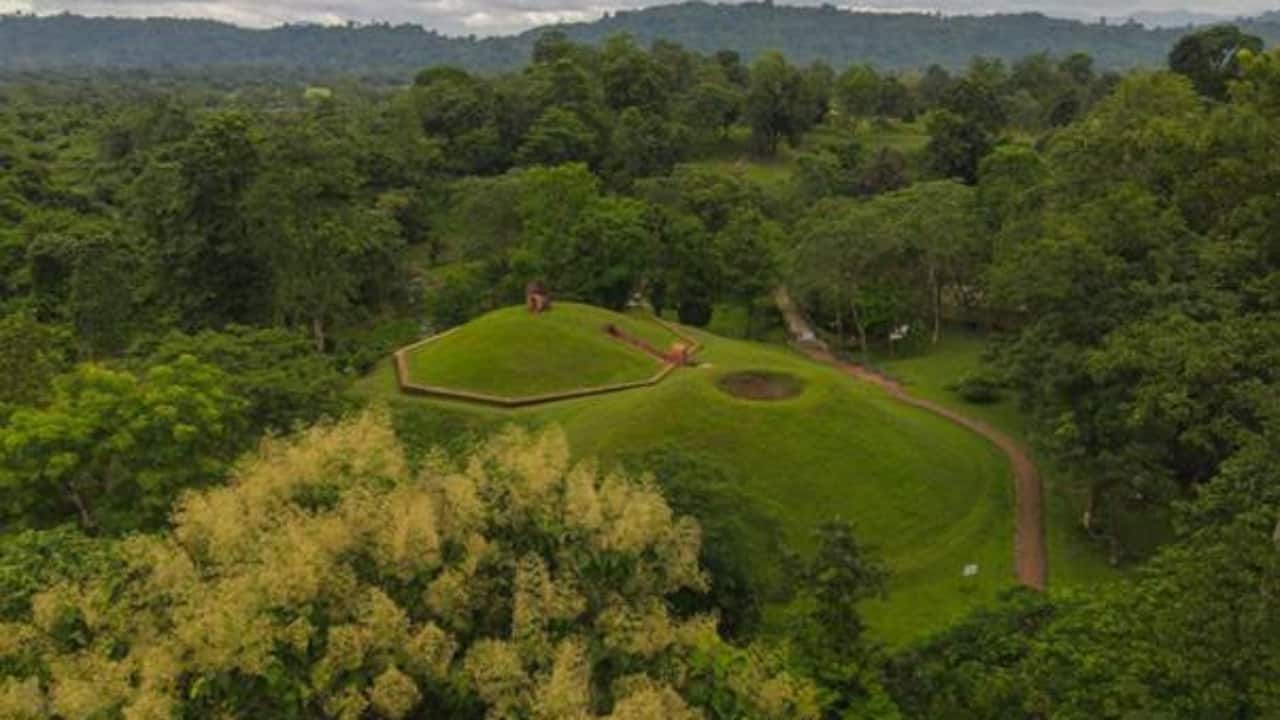 The Moidams are not just a historical site but also a living, breathing testament to a rich cultural legacy that continues to shape Assam's identity. (Image: PIB)
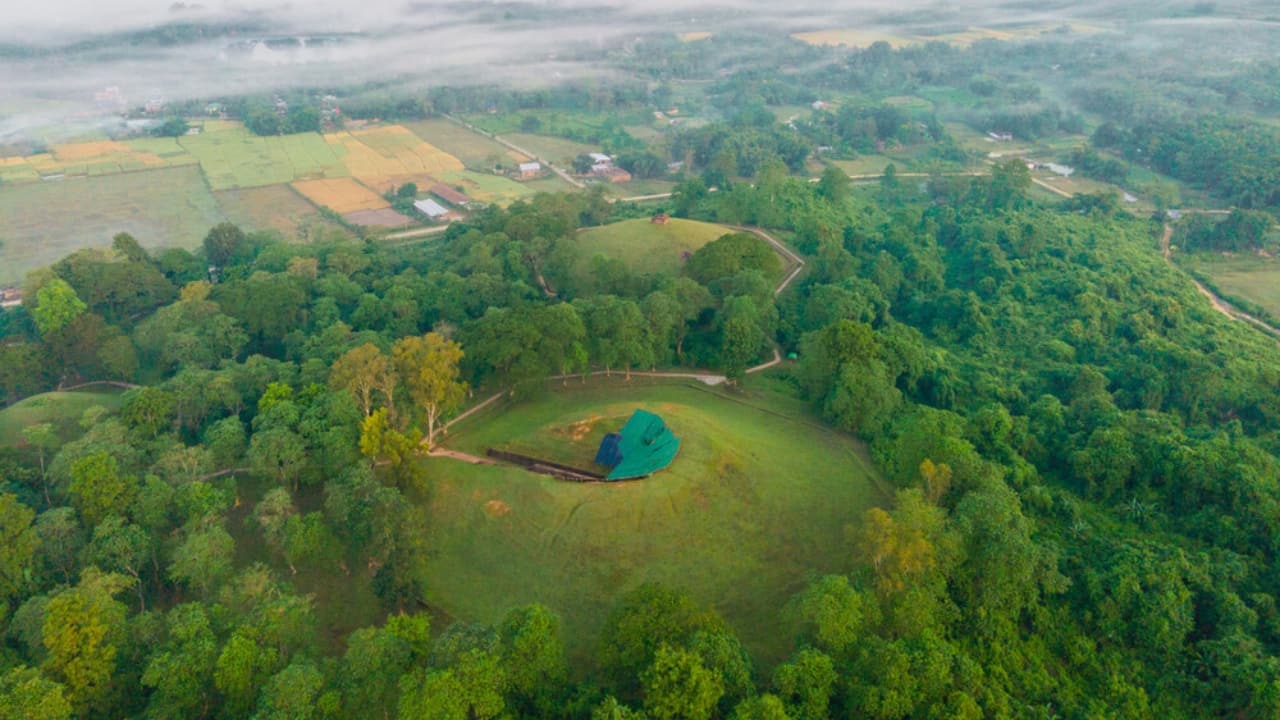 For the modern traveler, the Moidams offer a captivating journey through Assam’s royal past. Far from the well-trodden paths, this forgotten necropolis serves as a serene and haunting reminder of a bygone era. Visiting the Moidams of Charaideo is not just an exploration of the past, but a chance to connect with a vital piece of India’s cultural heritage that remains largely unexplored, yet deeply rooted in the sacred traditions of the Tai-Ahom dynasty. (Image: PIB)

Discover the latest Business News, Sensex, and Nifty updates. Obtain Personal Finance insights, tax queries, and expert opinions on Moneycontrol or download the Moneycontrol App to stay updated!
Find the best of Al News in one place, specially curated for you every weekend.
Stay on top of the latest tech trends and biggest startup news.