International travellers planning to visit America’s most iconic national parks—Grand Canyon, Yellowstone, Yosemite and more—will soon have to pay significantly more. Beginning January 1, 2026, the National Park Service (NPS) will introduce a new surcharge of USD 100 (approx. INR 8,955) per foreign visitor at 11 of the country’s most popular national parks.
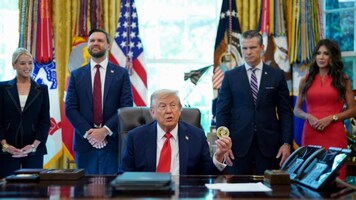
The rule was announced by the US Department of the Interior on November 25, 2025, describing it as part of an “American family first" policy designed to prioritise affordability for American families.
What the New Foreign Visitor Fee Means
Under the new policy, every international visitor will pay an additional $100 per person, on top of the standard entry fee at select high-traffic parks.
US citizens and permanent residents will continue to pay existing fees without any added charges.
The Department of the Interior said the change aligns with former President Donald Trump’s goal of making US national parks more accessible for domestic travellers while shifting additional costs to overseas tourists.
Which National Parks Will Charge the Extra Fee?
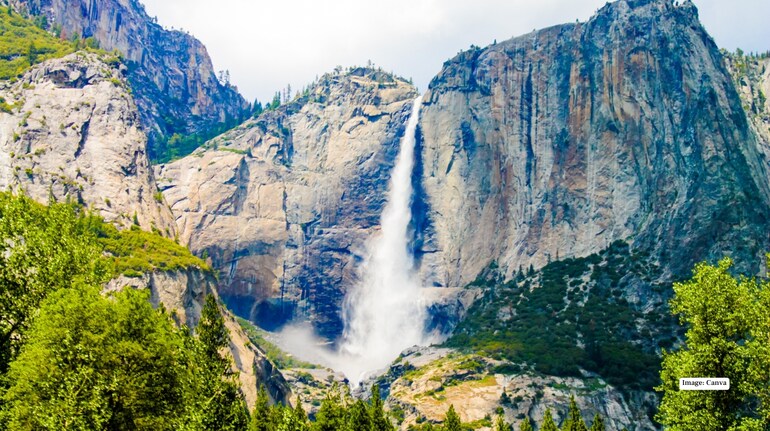
The surcharge will apply only at 11 of the most visited national parks in the United States which include, Great Smoky Mountains National Park, Zion National Park, Grand Canyon National Park, Yellowstone National Park, Rocky Mountain National Park, and Yosemite National Park.
Officials have not yet clarified how the fee will be verified or enforced for non-resident visitors.
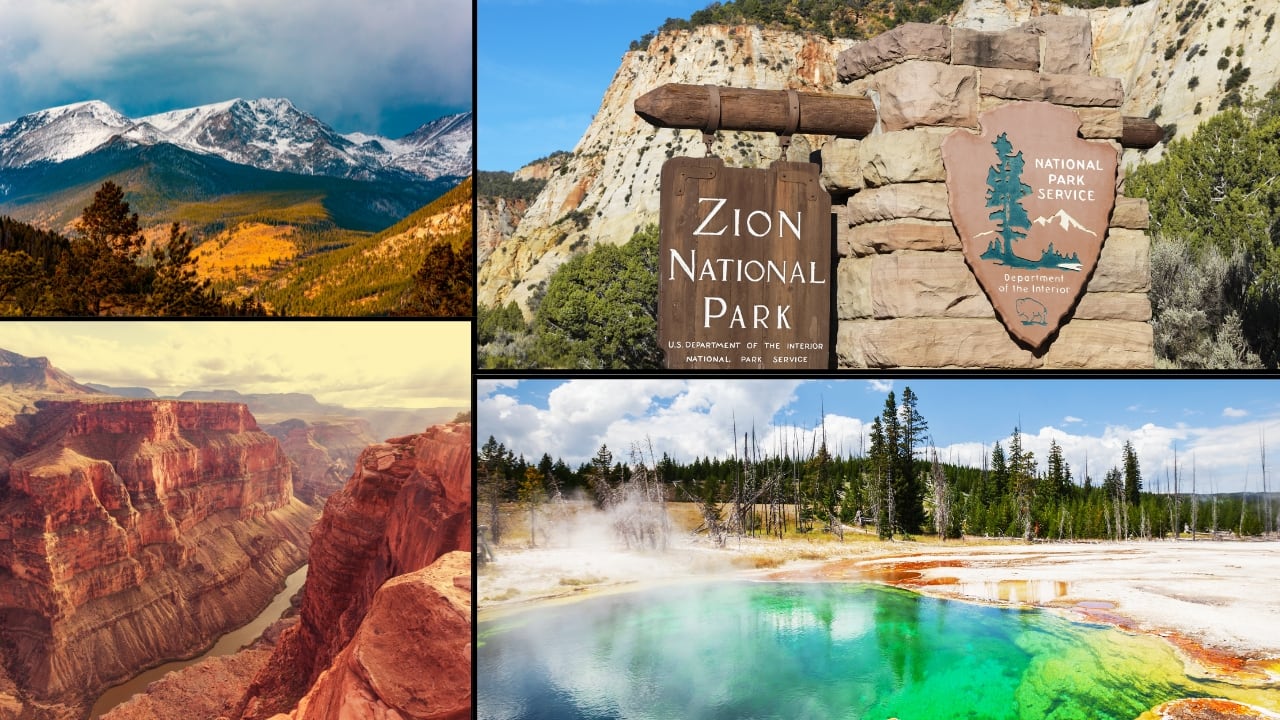 (Image: Canva)
Annual Pass Prices Also Increasing for Foreign Tourists
Along with higher entry costs, annual passes will also see a steep price change:
US residents: USD 80 (approx. INR 7,148) – unchanged.
Non-residents: USD 250 (approx. INR 22,346).
Additionally, the America the Beautiful Pass will now be issued digitally via Recreation.gov, covering up to two motorcycles per pass. Foreign travellers will also lose access to fee-free days, which will remain available only to US citizens and permanent residents.
Why the US Introduced the Fee Increase
According to the Interior Department, the fee hike is meant to:
The policy follows a rise in international tourism to the US. A study by the U.S. Travel Association found that 36.7% of overseas visitors explored national parks or monuments—highlighting growing pressure on park infrastructure.
Fee-Free Days for US Residents in 2026
In its announcement, the department also noted eight resident-only, "patriotic fee-free" days for 2026, including Presidents Day on February 16, Memorial Day on May 25, Flag Day (and Trump’s birthday) on June 14, the July 4 weekend from July 3 to 5, the 110th birthday of the National Park Service on August 25, Constitution Day on September 17, Theodore Roosevelt’s birthday on October 27, and Veterans Day on November 11.
These dates will not apply to international visitors once the new surcharge takes effect.
What This Means for International Travellers
For foreigners planning US trips in 2026, visiting the country’s famous national parks will become noticeably more expensive. Entry fees, combined with the annual pass increase, could significantly raise travel budgets—especially for families or group travellers.
However, the parks’ natural wonders continue to draw millions yearly, and demand is unlikely to diminish sharply.

Discover the latest Business News, Sensex, and Nifty updates. Obtain Personal Finance insights, tax queries, and expert opinions on Moneycontrol or download the Moneycontrol App to stay updated!
Find the best of Al News in one place, specially curated for you every weekend.
Stay on top of the latest tech trends and biggest startup news.