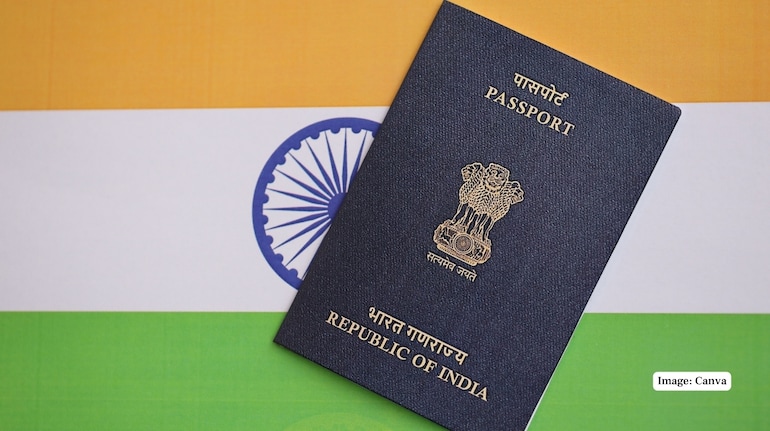
The Government of India has taken a bold step toward modernising international travel with the launch of e-passports — a secure, tech-enabled upgrade to the traditional passport. Designed to enhance security, speed up immigration checks, and align with global travel standards, the e-passport marks a new era in how Indian citizens travel abroad.
Whether you’re a frequent flyer or applying for your first passport, understanding this digital evolution can help you travel smarter and faster.
What Is an E-Passport?
An e-passport looks much like a regular Indian passport, but with one major difference — a microchip embedded in its back cover. This chip securely stores the holder’s personal and biometric details such as:
You can easily identify an e-passport by the gold rectangular symbol on its cover — a sign that it’s embedded with this advanced chip. At airports, e-passports can be scanned at automated e-gates, helping travellers breeze through immigration lines.
Who Can Apply for an E-Passport in India?
Any Indian citizen eligible for a regular passport can now apply for an e-passport. The rollout is currently being expanded in phases across selected Passport Seva Kendras (PSKs) and Post Office Passport Seva Kendras (POPSKs) nationwide.
You can apply for an e-passport if you are:
How to Apply for an E-Passport Online
The process to apply for an e-passport is similar to that of a regular passport. Here’s how:
Step 1: Visit the official Passport Seva website.
Step 2: Register as a new user or log in with existing credentials.
Step 3: Select the e-passport option — either for a new passport or renewal.
Step 4: Fill in your personal details and upload the required documents.
Step 5: Pay the applicable fees online.
Step 6: Book an appointment at your nearest Passport Seva Kendra or Post Office Passport Seva Kendra.
Step 7: Visit the PSK on your appointment date to complete biometric verification (fingerprints, photo capture, and signature).
Once processed, the e-passport — with its embedded chip — will be printed and dispatched to your registered address.
Documents Required for E-Passport Application
Keep these documents ready before applying:
E-passports are not just a digital upgrade — they’re a leap forward in travel security and convenience.
1. Enhanced Security: Encrypted biometric data and digital signatures make it nearly impossible to forge or alter.
2. Faster Immigration Clearance: Automated systems scan the chip within seconds, cutting down long queues at airports.
3. Global Compatibility: E-passports meet ICAO (International Civil Aviation Organization) standards, ensuring smoother entry across countries that use biometric verification.
4. Reduced Risk of Identity Theft: Data stored in the microchip cannot be accessed or duplicated without authorisation.
5. Greater Durability: The enhanced design and embedded technology make e-passports more resistant to wear and tear.
E-Passport vs Regular Passport: What’s the Difference?
| Aspect | E-Passport (Electronic) | Regular Passport |
| Data Storage | Embedded microchip with biometric and personal information | Data printed on paper pages |
| Security | Encrypted chip prevents tampering or forgery | Physical security only |
| Verification | Automated e-gate verification | Manual inspection |
| Durability | Enhanced and long-lasting | Prone to wear and tear |
| Processing Speed | Faster at immigration | Slower due to manual checks |
The introduction of e-passports reflects India’s vision for a digitally advanced and globally recognised travel system. As the rollout expands, more citizens will enjoy faster processing, improved identity protection, and seamless international travel experiences.
For Indian travellers, upgrading to an e-passport isn’t just about a new document — it’s about joining a global standard in smart travel technology.
Discover the latest Business News, Sensex, and Nifty updates. Obtain Personal Finance insights, tax queries, and expert opinions on Moneycontrol or download the Moneycontrol App to stay updated!

Find the best of Al News in one place, specially curated for you every weekend.
Stay on top of the latest tech trends and biggest startup news.