- My Alerts
- Go Ad-Free
-
My Account











10 active volcanoes around the world you can actually climb
Climbable active volcanoes around the world—from Ecuador’s Cotopaxi to Sicily’s Mount Etna—offering guided ascents and breathtaking summit views.




1/11
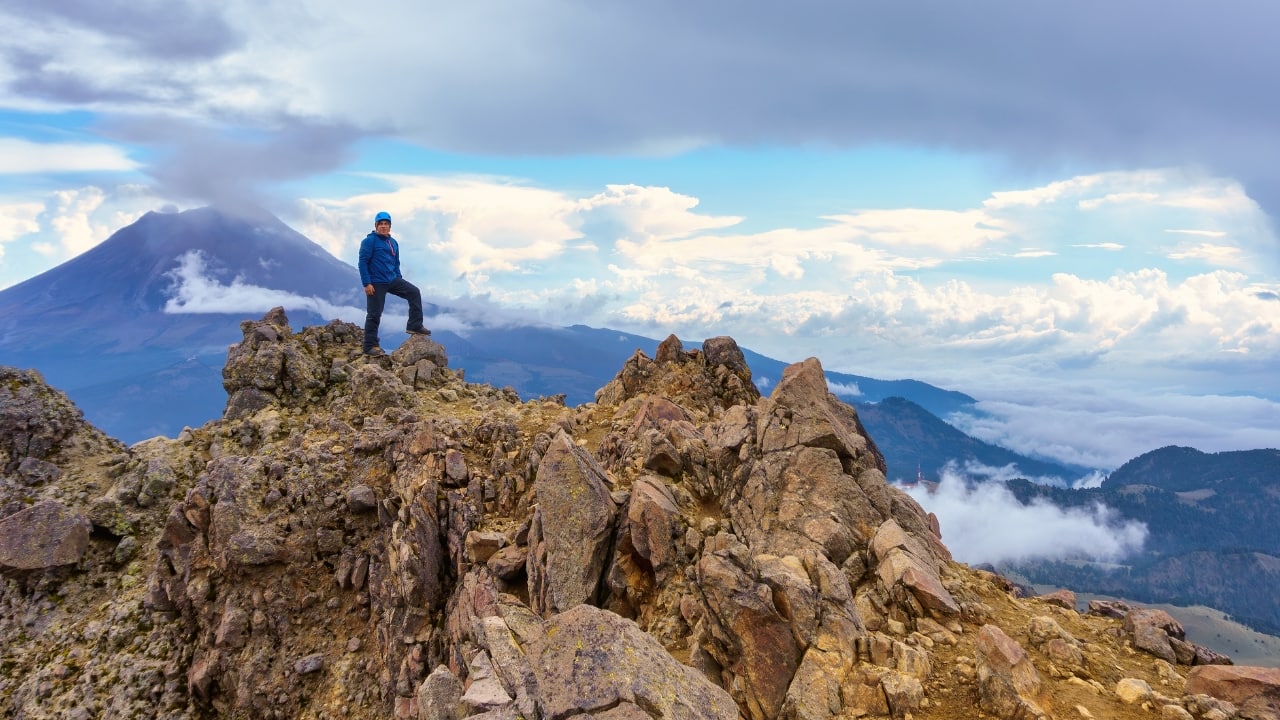
For those drawn to landscapes sculpted by fire and time, active volcanoes represent more than geological marvels—they offer a rare invitation to ascend the Earth’s volatile anatomy. From the glaciated symmetry of Ecuador’s Cotopaxi to the blackened lava fields of Sicily’s Mount Etna, these monumental peaks remain both formidable and deeply alluring. Remarkably, many of them are not only accessible but legally climbable, provided one prepares appropriately and respects local safety guidelines. Here are 10 of the world’s most iconic active volcanoes that travellers can, with the guidance of trained professionals, summit safely. (Image: Canva)
2/11
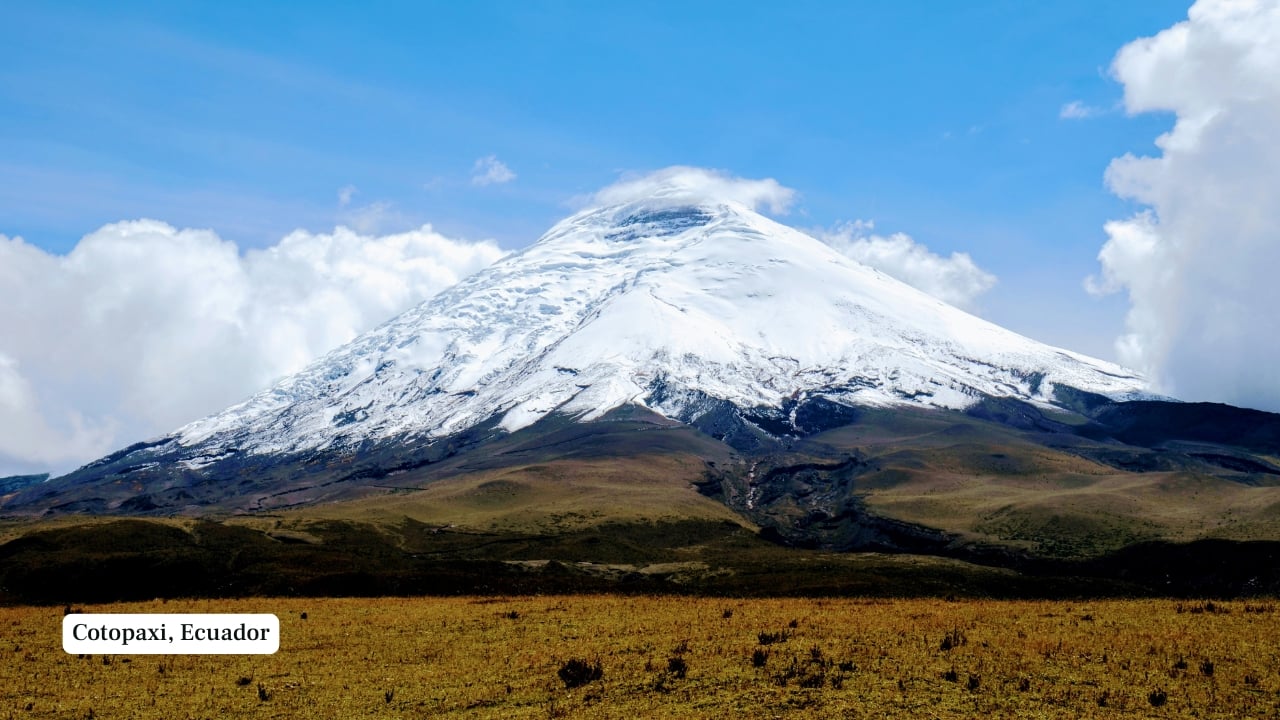
1. Cotopaxi, Ecuador – 5,897 m
South America’s second-highest volcano, Cotopaxi is a near-perfect Andean cone cloaked in glaciers. The ascent demands acclimatisation and basic alpine equipment, including crampons and ice axes. When conditions allow, guided climbs to the summit reward mountaineers with panoramic views of fractured ice fields and high-altitude wilderness. (Image: Unsplash)
South America’s second-highest volcano, Cotopaxi is a near-perfect Andean cone cloaked in glaciers. The ascent demands acclimatisation and basic alpine equipment, including crampons and ice axes. When conditions allow, guided climbs to the summit reward mountaineers with panoramic views of fractured ice fields and high-altitude wilderness. (Image: Unsplash)
3/11
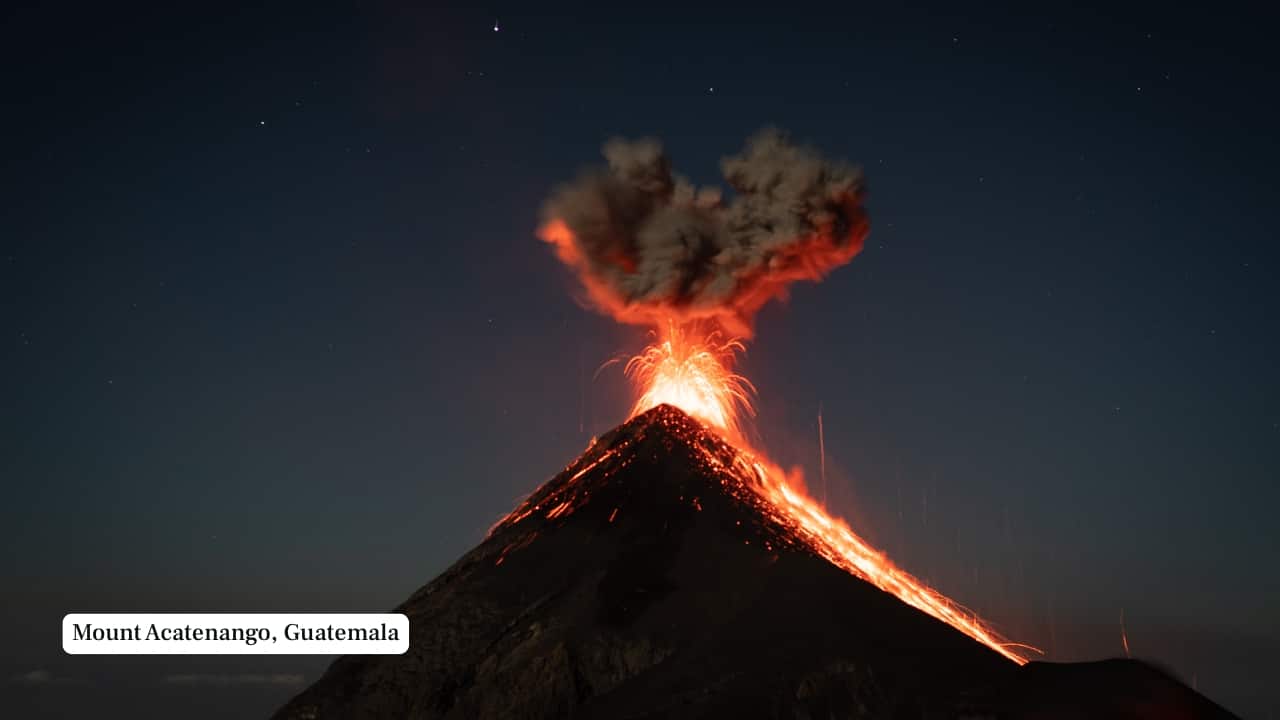
2. Mount Acatenango, Guatemala – 3,976 m
Towering beside the perpetually erupting Volcán de Fuego, Acatenango offers an unparalleled vantage point for volcanic activity. The steep, high-altitude trek often involves an overnight camp above 3,500 meters, where climbers can witness fiery eruptions punctuating the night sky—an experience both humbling and otherworldly. (Image: Canva)
Towering beside the perpetually erupting Volcán de Fuego, Acatenango offers an unparalleled vantage point for volcanic activity. The steep, high-altitude trek often involves an overnight camp above 3,500 meters, where climbers can witness fiery eruptions punctuating the night sky—an experience both humbling and otherworldly. (Image: Canva)
4/11
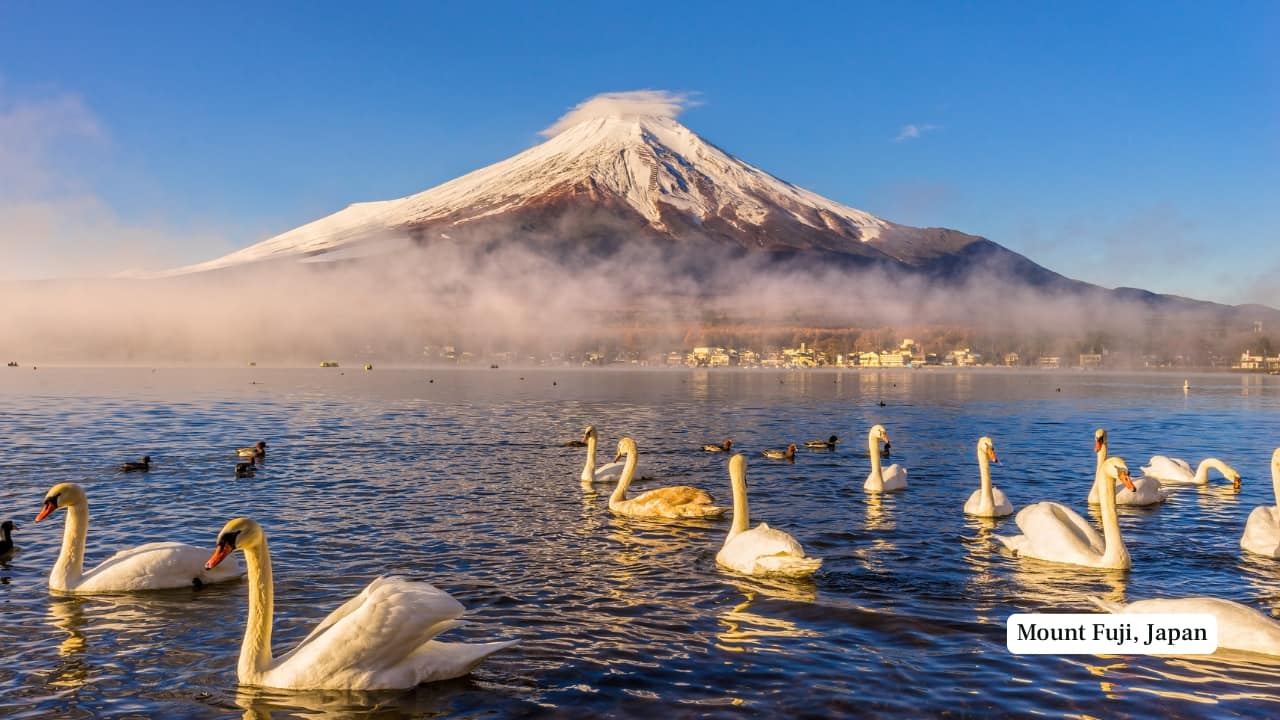
3. Mount Fuji, Japan – 3,776 m
Japan’s most revered peak, Mount Fuji draws thousands of climbers each summer between July and early September. Though dormant since 1707, it remains an officially active volcano. Well-maintained trails and mountain huts support a steady stream of pilgrims and hikers who ascend for the revered Goraiko, or sunrise view from the summit. (Image: Canva)
Japan’s most revered peak, Mount Fuji draws thousands of climbers each summer between July and early September. Though dormant since 1707, it remains an officially active volcano. Well-maintained trails and mountain huts support a steady stream of pilgrims and hikers who ascend for the revered Goraiko, or sunrise view from the summit. (Image: Canva)
5/11
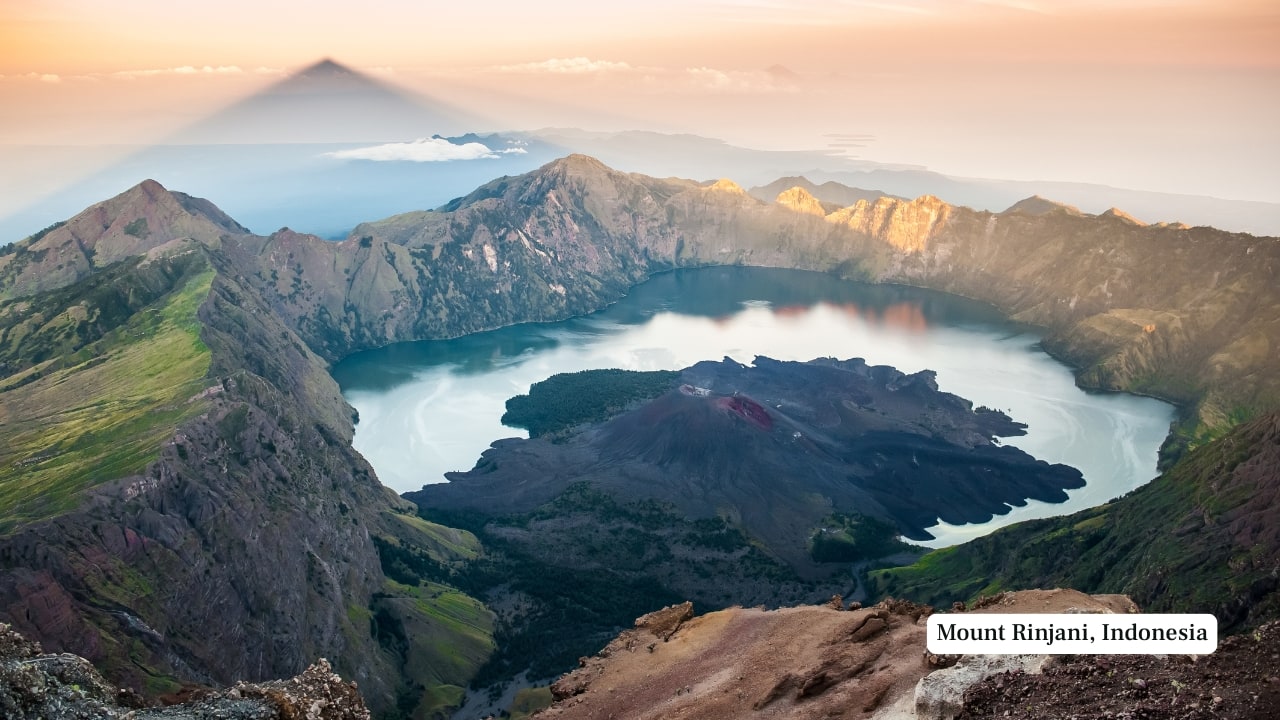
4. Mount Rinjani, Indonesia – 3,726 m
Dominating Lombok’s skyline, Mount Rinjani is a physically demanding trek that winds through rainforests, alpine meadows, and volcanic ash. Climbers often camp at the crater rim overlooking the Segara Anak caldera lake and the smouldering inner cone. Multi-day guided treks are essential due to unpredictable terrain and weather shifts. (Image: Canva)
Dominating Lombok’s skyline, Mount Rinjani is a physically demanding trek that winds through rainforests, alpine meadows, and volcanic ash. Climbers often camp at the crater rim overlooking the Segara Anak caldera lake and the smouldering inner cone. Multi-day guided treks are essential due to unpredictable terrain and weather shifts. (Image: Canva)
6/11
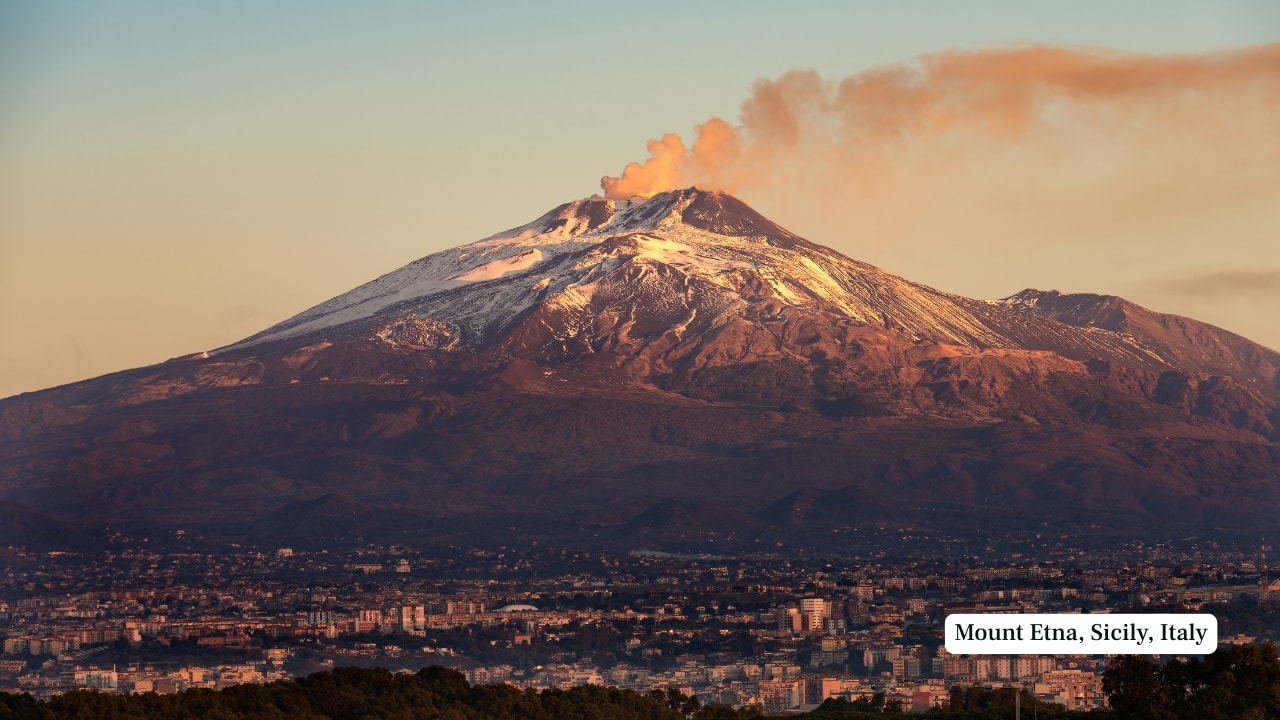
5. Mount Etna, Sicily, Italy – 3,357 m
Europe’s most active volcano is in a constant state of change. Yet, Mount Etna remains accessible through authorised tours that adjust routes based on seismic activity. Trekkers cross alien landscapes of cooled lava, sulphur vents, and ancient craters—sometimes reaching the upper zones when conditions permit. (Image: Canva)
Europe’s most active volcano is in a constant state of change. Yet, Mount Etna remains accessible through authorised tours that adjust routes based on seismic activity. Trekkers cross alien landscapes of cooled lava, sulphur vents, and ancient craters—sometimes reaching the upper zones when conditions permit. (Image: Canva)
7/11
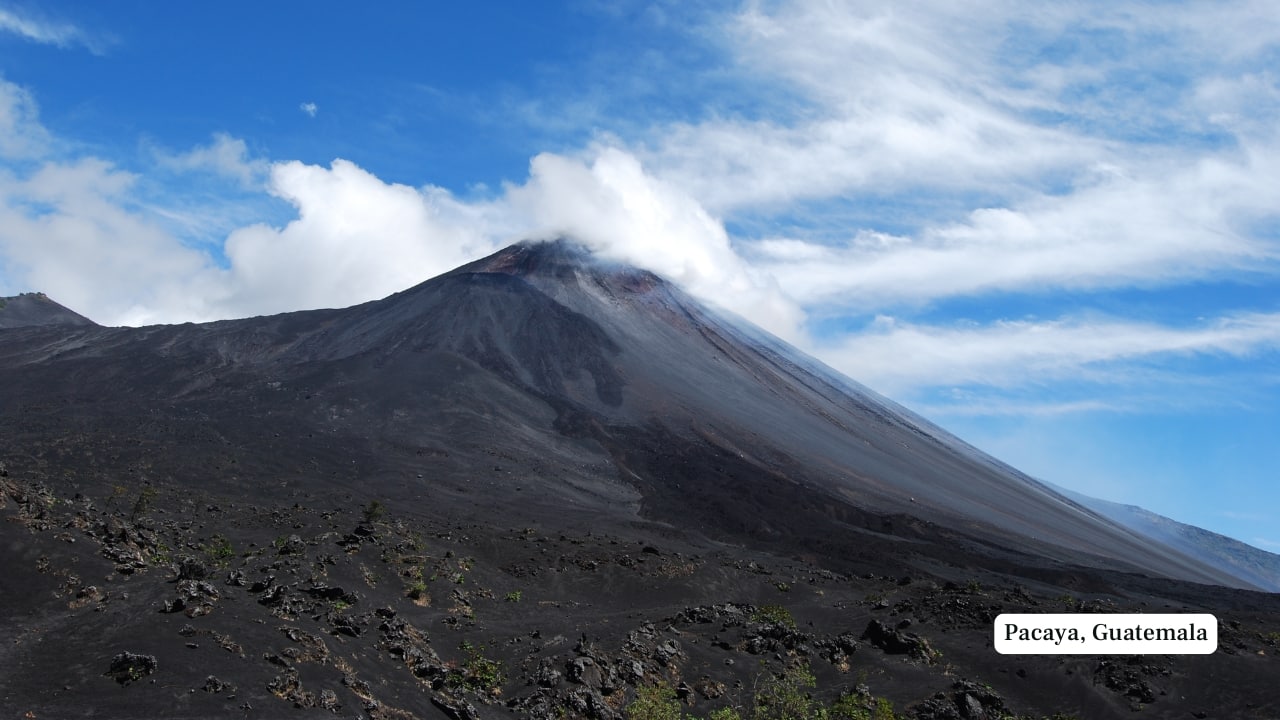
6. Pacaya, Guatemala – 2,552 m
Just outside Guatemala City, Pacaya is one of Central America’s most approachable active volcanoes. Guided treks lead through lava fields and steaming terrain, often allowing visitors to glimpse recent magma flows. Its relatively modest height makes it suitable for casual hikers seeking an immersive volcanic experience. (Image: Canva)
Just outside Guatemala City, Pacaya is one of Central America’s most approachable active volcanoes. Guided treks lead through lava fields and steaming terrain, often allowing visitors to glimpse recent magma flows. Its relatively modest height makes it suitable for casual hikers seeking an immersive volcanic experience. (Image: Canva)
8/11
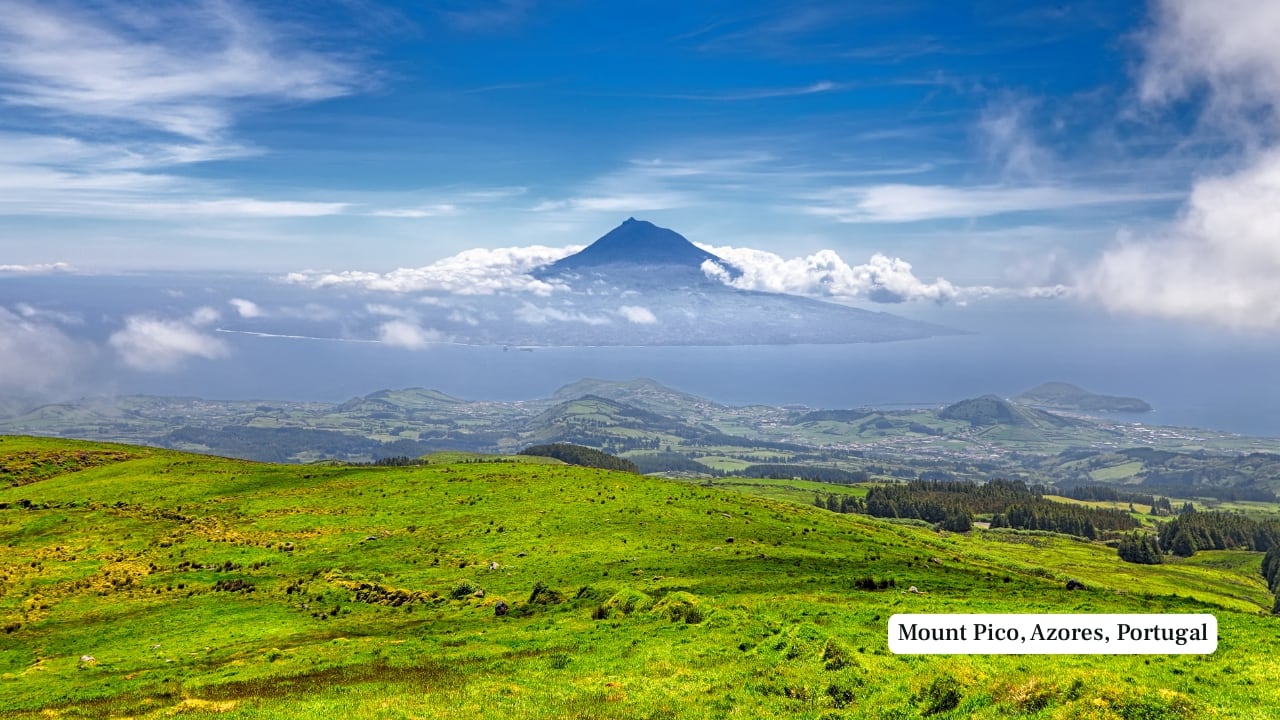
7. Mount Pico, Azores, Portugal – 2,351 m
Rising sharply from the mid-Atlantic, Mount Pico is Portugal’s highest peak. Though dormant, it is still classified as active. The trail to the summit is steep and unshaded, demanding good physical condition and careful pacing. On clear days, climbers are treated to sweeping views over the Azorean archipelago. (Image: Canva)
Rising sharply from the mid-Atlantic, Mount Pico is Portugal’s highest peak. Though dormant, it is still classified as active. The trail to the summit is steep and unshaded, demanding good physical condition and careful pacing. On clear days, climbers are treated to sweeping views over the Azorean archipelago. (Image: Canva)
9/11
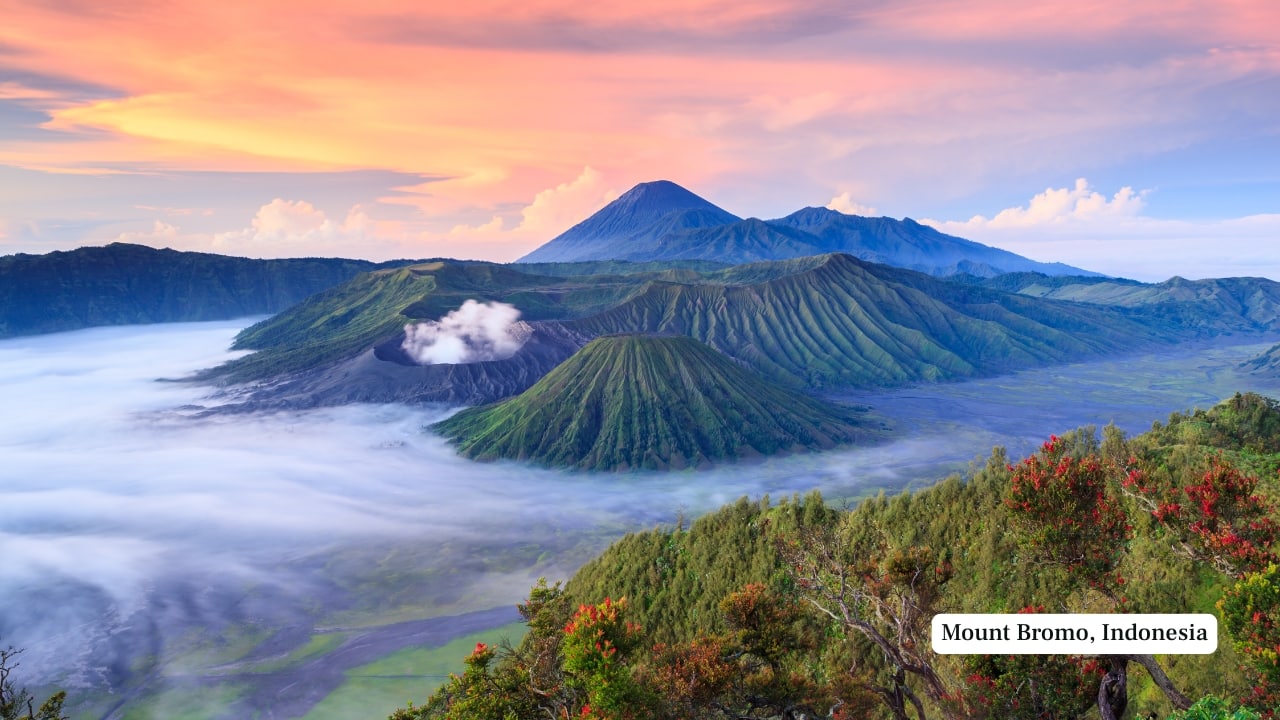
8. Mount Bromo, Indonesia – 2,329 m
Part of the Tengger caldera in East Java, Mount Bromo is more accessible than it is arduous. Reached via a short hike and staircase ascent, its fuming crater is a key destination for sunrise viewings. The surreal volcanic landscape is one of Indonesia’s most photographed natural wonders. (Image: Canva)
Part of the Tengger caldera in East Java, Mount Bromo is more accessible than it is arduous. Reached via a short hike and staircase ascent, its fuming crater is a key destination for sunrise viewings. The surreal volcanic landscape is one of Indonesia’s most photographed natural wonders. (Image: Canva)
10/11
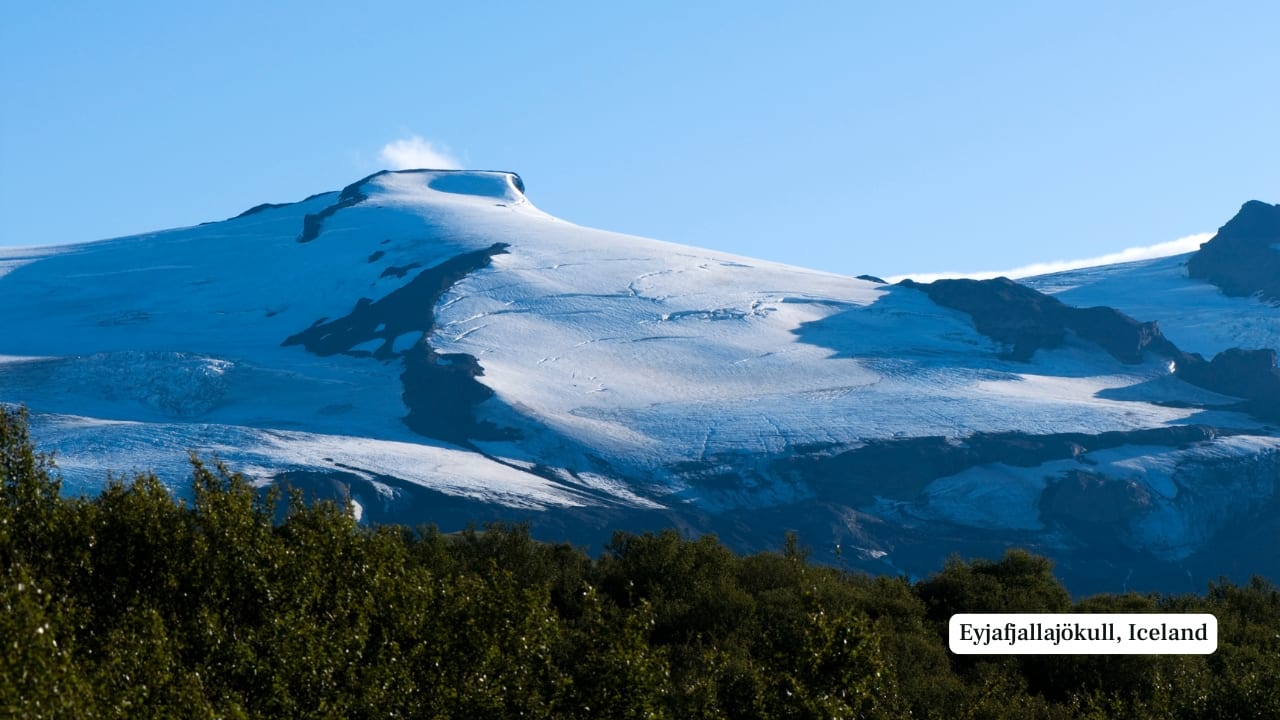
9. Eyjafjallajökull, Iceland – 1,666 m
Known for its 2010 eruption that disrupted transatlantic air travel, Eyjafjallajökull remains climbable via glacier treks led by certified guides. The ascent, while not technically difficult, requires crampons, proper insulation, and a solid fitness base. On clear days, climbers can see as far as Iceland’s southern coastline. (Image: Canva)
Known for its 2010 eruption that disrupted transatlantic air travel, Eyjafjallajökull remains climbable via glacier treks led by certified guides. The ascent, while not technically difficult, requires crampons, proper insulation, and a solid fitness base. On clear days, climbers can see as far as Iceland’s southern coastline. (Image: Canva)
11/11

10. Mount Vesuvius, Italy – 1,281 m
Among the most notorious volcanoes in human history, Vesuvius still broods above Naples. A paved path allows visitors to climb to its crater rim, offering views into the caldera that once buried Pompeii. Despite its modest altitude, the mountain's legacy and accessibility make it one of Europe’s most visited volcanoes. (Image: Canva)
Among the most notorious volcanoes in human history, Vesuvius still broods above Naples. A paved path allows visitors to climb to its crater rim, offering views into the caldera that once buried Pompeii. Despite its modest altitude, the mountain's legacy and accessibility make it one of Europe’s most visited volcanoes. (Image: Canva)
Discover the latest Business News, Budget 2025 News, Sensex, and Nifty updates. Obtain Personal Finance insights, tax queries, and expert opinions on Moneycontrol or download the Moneycontrol App to stay updated!



