- My Alerts
- Go Ad-Free
-
My Account















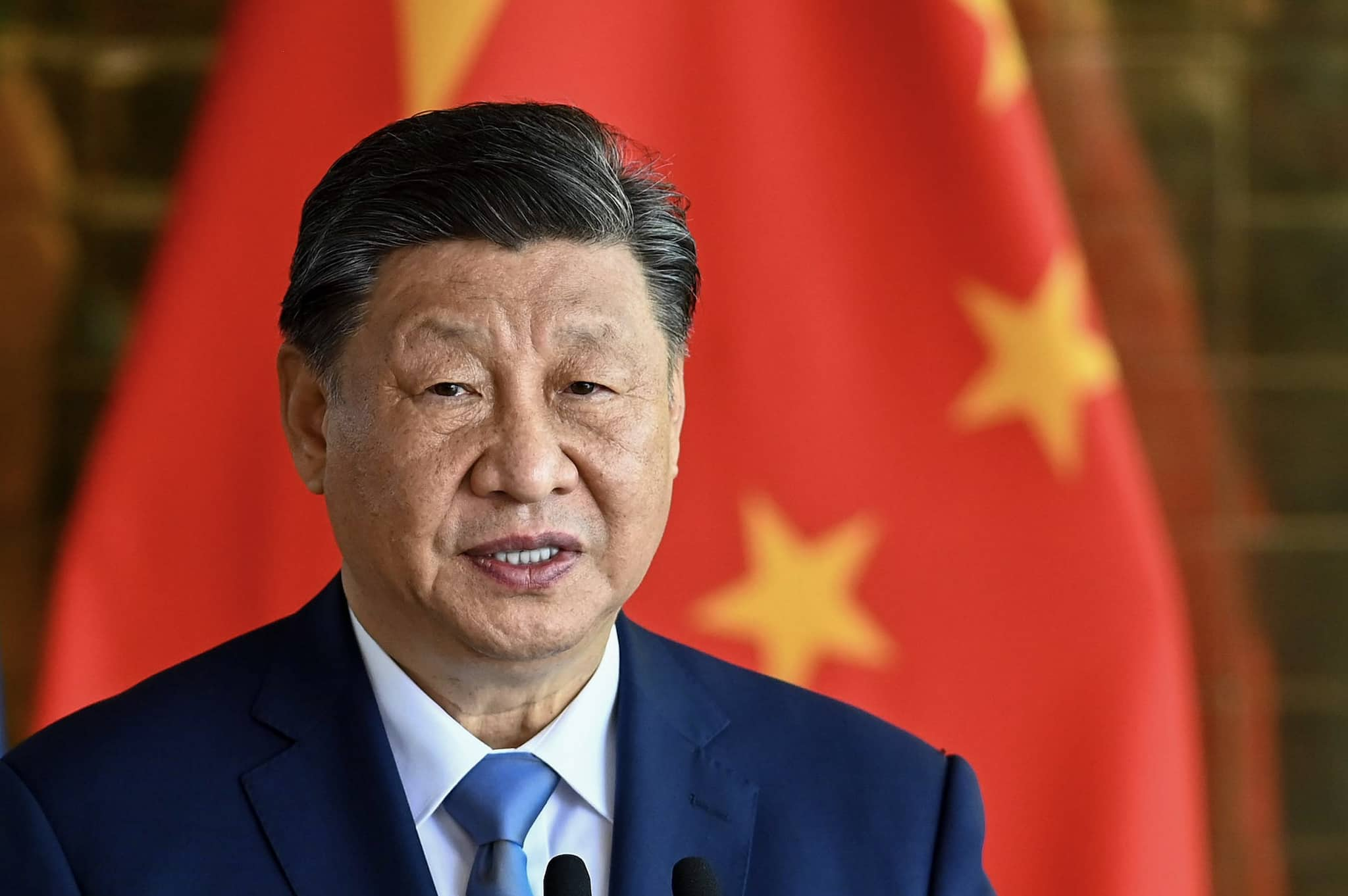
Xi Jinping
Xi Jinping (born June 15, 1953) is a Chinese politician who has served as the General Secretary of the Communist Party of China (CPC), the President of the People's Republic of China, and the Chairman
...Read more- Who is Jimmy Lai, the jailed Hong Kong tycoon Trump plans to ask Xi Jinping to release?
Donald Trump says he will ask Xi Jinping to free Hong Kong media mogul Jimmy Lai during Asia trip, after US lawmakers raise alarm over his health.
- US and China begin trade talks in Malaysia to ease tensions
Bessent and He, a longtime associate of President Xi Jinping, face the task of negotiating down new escalatory measures imposed by their countries against one another.
- US launches China tariff probe ahead of Trump-Xi meeting
US Trade Representative Jamieson Greer on Friday announced the opening of a probe into whether China complied with a limited trade agreement reached in 2020 during President Donald Trump’s first term.
- Trump’s Asia trip: What’s at stake in his meetings with Xi, Japan, and South Korea
Donald Trump heads to Asia seeking trade and peace deals amid rising tensions with China. His meeting with Xi Jinping remains uncertain.
- Trump heads for Asia and Xi talks, as Kim speculation swirls
Trump is set to meet Xi in South Korea on the last day of his trip, aiming for a "deal on everything" to end a bitter trade war between the world's two biggest economies.
- China's Xi Jinping to visit South Korea for APEC summit
Xi Jinping will deliver a speech at APEC and hold bilateral meetings with other leaders, including South Korean President Lee Jae Myung.
- Trump seeks elusive trade deal with Xi in high-stakes meeting
Trump’s thirst for a result he can sell as a victory runs the risk he might bow to key Chinese demands, including access to advanced semiconductors and the status of the self-governing island of Taiwan — the president notably has not ruled out such compromises.
- Trump accuses China of smuggling fentanyl into US via Venezuela, says issue will top agenda in Xi meeting
Trump said his upcoming meeting with Xi would focus heavily on the issue. “I’m meeting with President Xi… The first question I’m going to be asking him about is fentanyl."
- Trump to meet Xi in South Korea as part of Asia swing: White House
Press secretary Karoline Leavitt told reporters that Trump departs for Malaysia late on Friday night and will also visit South Korea, where he will meet Xi next Thursday.
- Trump set to meet Chinese President Xi Jinping in South Korea; discuss Russia-Ukraine war
Trump also revealed that he cancelled a planned summit with Russian President Vladimir Putin, citing a lack of progress in diplomatic efforts
- ‘They are going to stop... it’s a process’: Trump repeats claim India will cut Russian oil imports by year-end
Trump says Modi pledged to cut Russian oil purchases as Washington slaps sanctions.
- Trump’s high-stakes Asian tour: Can he calm global trade tensions?
President Donald Trump embarks on a high-stakes Asian tour aiming to ease global trade tensions, rebuild alliances, and secure major investment deals amid uncertainty over his planned meeting with China’s Xi Jinping.
- China’s succession puzzle, explained: why Xi hasn’t named an heir and what it means
As Xi Jinping, 72, consolidates power with no heir apparent, Beijing’s closed-door meetings highlight a growing risk: the longer succession is delayed, the harder and more turbulent it may become.
- Trump downplays risk of China invading Taiwan, praises ties with Xi
Donald Trump dismissed the likelihood of a Chinese invasion of Taiwan, expressing confidence in his relationship with Xi Jinping and prioritising a fair trade deal ahead of their upcoming South Korea meeting.
- Trump threatens China with 155% tariff from Nov 1 amid trade tensions
Speaking at the White House during a meeting with Australian Prime Minister Anthony Albanese, Trump said Beijing had been “very respectful” of Washington despite ongoing trade tensions.
- Trump to visit China early next year, says focus will be on ‘fair’ trade deal
The visit will follow Trump’s upcoming meeting with Chinese President Xi Jinping at the Asia-Pacific summit in South Korea later this month, their first face-to-face interaction of Trump’s second term.
- Xi Jinping urges Taiwan 'reunification' in message to newly elected opposition leader
Chinese President Xi Jinping urged closer ties and “reunification” with Taiwan in a message to newly elected Kuomintang leader Cheng Li-wun, amid scrutiny over alleged Beijing interference.
- ‘It’s not sustainable’: Donald Trump on tariffs on China, to meet Xi Jinping in South Korea
Donald Trump said he will meet with Xi Jinping in South Korea in two weeks, hinting that the encounter could pave the way for renewed trade negotiations.
- Greer, Bessent blast China's rare earths curbs, urge Beijing not to implement them
Greer and Treasury Secretary Scott Bessent, however, also stressed that Washington did not want to escalate the conflict



