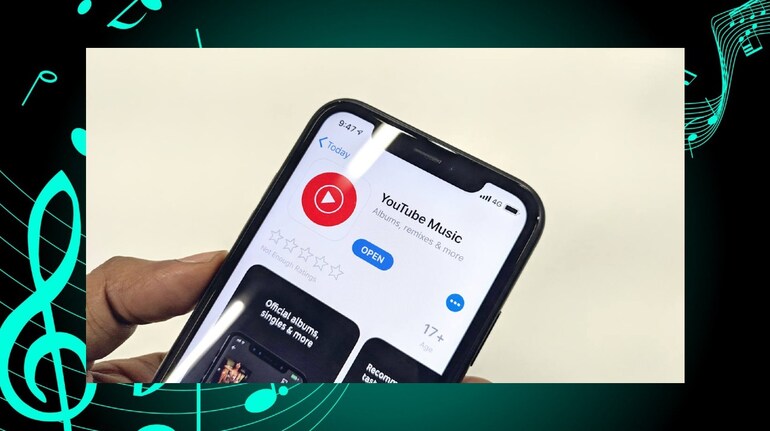

YouTube Music is finally addressing one of its most noticeable gaps by introducing queue syncing across Android, iOS, and the web. With this update, users can move between devices without losing their place, making it far easier to treat YouTube Music as a truly continuous listening experience rather than a collection of disconnected sessions.
Until now, the Now Playing queue on Android and iOS functioned independently. While the web version at music.youtube.com could pull information from mobile playback, the reverse was not true. Switching devices often meant manually rebuilding a queue or restarting an album or playlist from scratch, a small but persistent annoyance for regular users.
With queue syncing now enabled, YouTube Music keeps track of your most recent playback session across all signed-in devices. When you open the mobile app, the miniplayer will immediately reflect the last song you played, even if it was started on another device. If that session began on an iPhone or in a browser, the miniplayer briefly displays labels such as “From your iPhone” or “From your browser” in place of the artist name until playback resumes.
Behind the scenes, YouTube Music appears to prioritise the most recent active queue, regardless of device. That queue then updates or overrides any existing queue on the device you switch to. In practical terms, this means the service treats your listening history as a single timeline rather than separate streams tied to specific hardware.
The feature is particularly useful for users who frequently move between a phone, tablet, and computer throughout the day. Starting a queue on a work laptop and continuing it on a phone during a commute now happens automatically. The same applies to tablet users who often switch to a handset when leaving home. For anyone who relies heavily on YouTube Music on the web, this update removes one of the biggest points of friction.
That said, the lack of a dedicated setting to control queue syncing may divide opinion. Some users prefer different listening habits depending on the device, such as background music on a desktop and focused album listening on a phone. In those cases, automatic queue overrides could feel intrusive. A toggle to enable or disable syncing per device would offer more flexibility and help avoid accidental interruptions.
Even so, this update represents a meaningful quality-of-life improvement. Competing music streaming services have offered some form of cross-device continuity for years, and YouTube Music has often felt behind in everyday usability despite its strong catalogue and integration with YouTube itself.
Queue syncing does not reinvent the service, but it removes an unnecessary inconvenience that users have quietly tolerated for too long. For regular listeners, it makes YouTube Music feel more coherent, more modern, and better suited to how people actually consume music across multiple screens.


Discover the latest Business News, Sensex, and Nifty updates. Obtain Personal Finance insights, tax queries, and expert opinions on Moneycontrol or download the Moneycontrol App to stay updated!
Find the best of Al News in one place, specially curated for you every weekend.
Stay on top of the latest tech trends and biggest startup news.