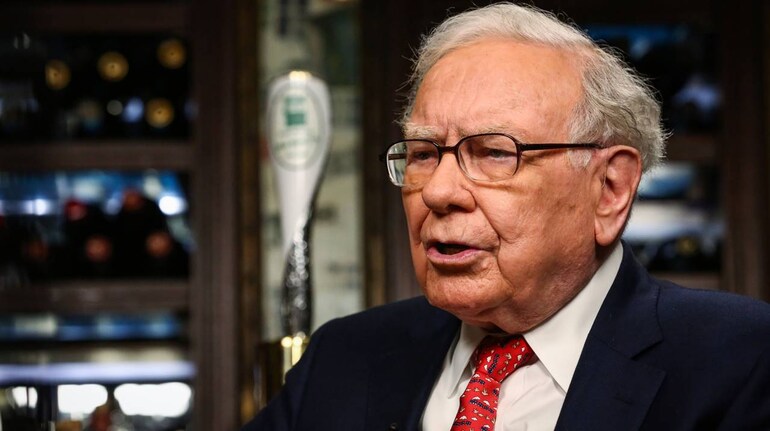
Warren Buffett used his last annual letter as Berkshire Hathaway’s CEO to deliver a blunt critique of runaway executive compensation, arguing that modern pay packages have become detached from performance and increasingly driven by envy. Coming just before Greg Abel takes over leadership on 1 January 2026, the letter reflects Buffett’s frustration with a system he believes now rewards competition among executives more than accountability to shareholders.
Buffett’s warning arrives as debates over CEO pay intensify. Just days earlier, Tesla shareholders approved a record $1 trillion compensation plan for Elon Musk, structured around market-cap milestones that could make him the world’s first trillionaire if Tesla hits an $8.5 trillion valuation. Rivian followed by unveiling a decade-long $4.6 billion package for CEO RJ Scaringe, largely modelled on Musk’s structure and tied to operational milestones. Buffett cited these examples to highlight how quickly rival companies escalate their own offers once peers set new benchmarks.
Rising CEO salaries
In the letter, Buffett writes that highly paid CEOs remain vulnerable to a simple human failing: looking over their shoulder at another leader making even more. He argued that envy and greed now walk together in boardrooms, and he questioned whether any compensation consultant has ever recommended meaningful cuts in executive pay. He said reforms intended to create transparency have inadvertently backfired. Regulations requiring companies to disclose CEO pay relative to average employee wages were meant to discourage excess, but in practice they transformed proxy statements into 100-page documents filled with comparative data CEOs use to demand higher compensation.
Buffett said public disclosures sparked competitive pay inflation. Executives began using rival salaries as leverage, nudging boards and compensation committees to increase their own packages. Boards, he argued, often consist of directors whose incentives are tied too closely to CEOs themselves, and raising board pay alongside CEO pay only reinforced the cycle. The result, he wrote, is that disclosure produced envy rather than moderation.
Beyond corporate governance, Buffett also shared personal reflections in his eight-page farewell. He said he feels better about the second half of his life than the first and urged readers not to dwell on past mistakes but to learn from them and move forward. He encouraged people to choose their heroes wisely, citing broadcaster Tom Murphy as one of the finest examples. Buffett reminded readers of Alfred Nobel, who reportedly changed his behaviour after reading an accidental obituary about himself, using that story to argue that people should decide how they want to be remembered and live accordingly.
He closed with a call for humility and kindness, saying greatness is not measured by wealth, publicity, or power. Helping others, he wrote, is what genuinely matters, and the simplest gestures can carry the greatest value. Buffett acknowledged his own imperfections and credited the friends who helped him learn how to conduct himself better, adding that everyone deserves the same respect, from the boardroom to the cleaning staff.


Discover the latest Business News, Sensex, and Nifty updates. Obtain Personal Finance insights, tax queries, and expert opinions on Moneycontrol or download the Moneycontrol App to stay updated!
Find the best of Al News in one place, specially curated for you every weekend.
Stay on top of the latest tech trends and biggest startup news.