-
My Account









Samsung brings industry-first antioxidant nutrition tracking to Galaxy Watch8: All the details
Samsung has introduced an on-wrist Antioxidant Index on the Galaxy Watch8, turning carotenoid measurement — once limited to lab instruments — into a consumer-scale nutrition indicator validated through clinical trials.




1/3
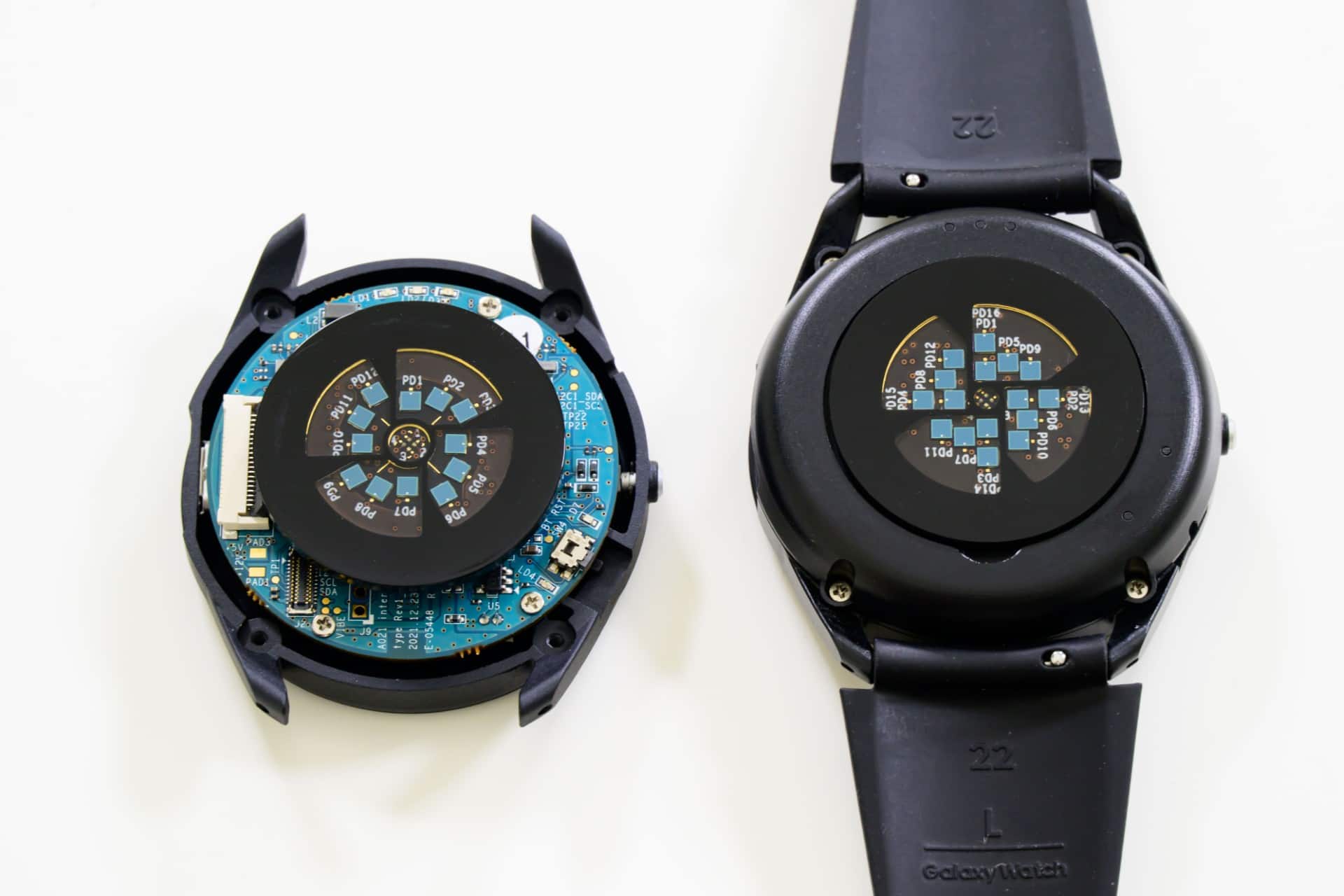
Samsung has introduced an on-wrist Antioxidant Index on the Galaxy Watch8, a first in the wearables industry, built after multi-year R&D to turn lab-grade carotenoid measurement into a consumer health feature. The capability addresses a gap in the wearable health space, where activity and calorie tracking have been standard, but nutrition-linked biological impact was still locked behind laboratory equipment and clinical workflows. CERT-style validation trials at Samsung Medical Center with hundreds of participants helped verify the sensor’s accuracy before commercial deployment. The feature works across Windows, macOS and Linux equivalents in health data sync scenarios via paired Galaxy devices.
2/3

The feature uses a miniaturized spectroscopy sensor that replaces Raman lasers with multi-wavelength LEDs and a custom photodiode array to infer carotenoid density under the skin. Carotenoids serve as a surrogate for fruit-and-vegetable intake and are a researched proxy for antioxidant status. The system calculates an Antioxidant Index with categories linked to WHO recommendations, allowing users to interpret their long-term dietary sufficiency rather than react to single-day swings. Algorithms run calibration continuously to normalize for hardware variance, hand placement and tissue optical properties, while measurement on the fingertip mitigates melanin interference and hemoglobin scattering. The index integrates with broader Watch8 stacks such as sleep data, vascular load and activity to contextualize diet in a combined aging-risk lens.
3/3
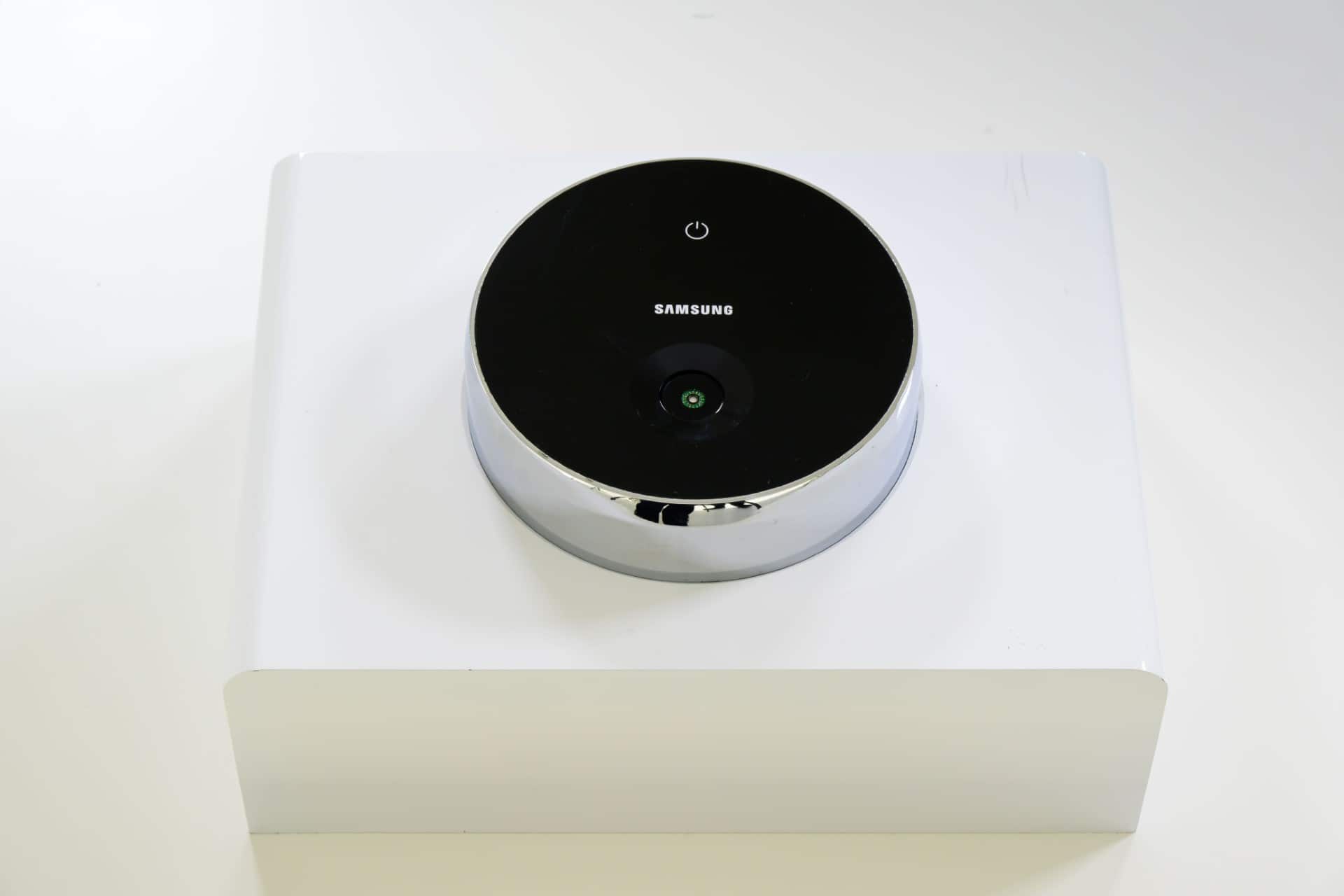
The project started in 2018 with the premise that lifespan extension trends make quality-of-life monitoring more critical than raw step or calorie counts. Engineers built multiple intermediate prototypes — clinical units, consumer prototypes and skincare-grade devices — before compressing the stack into the back-case of a watch within seven years. Experts from Seoul National University and Samsung Medical Center guided the nutritional and clinical framing, citing oxidation load as a shared upstream driver for cancers, cardiovascular disease and metabolic illness. Samsung positions this feature as enabling proactive, population-scale measurement rather than boutique diagnostics, with the full intent to extend it toward newer preventive use-cases as algorithmic baselines and longitudinal cohorts grow.
Discover the latest Business News, Budget 2025 News, Sensex, and Nifty updates. Obtain Personal Finance insights, tax queries, and expert opinions on Moneycontrol or download the Moneycontrol App to stay updated!



