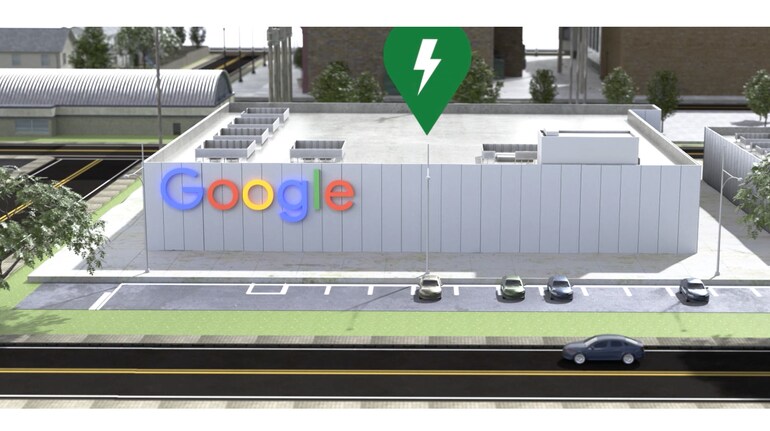

Google has signed agreements to integrate 1 gigawatt (GW) of data center demand response capacity into its long-term energy contracts with utility partners in the United States. The move focuses on managing electricity demand more efficiently as data center energy consumption continues to rise.
The announcement was made by Michael Terrell, Head of Advanced Energy, who said the initiative aims to improve how electricity systems handle growing demand.
What is demand response and how it works
Demand response allows Google to adjust electricity usage at its data centers by shifting or reducing workloads during peak demand periods. This is done by managing machine learning (ML) workloads, which can be rescheduled or temporarily reduced without affecting long-term operations.
By lowering energy consumption during high-demand periods, data centers can help utilities balance supply and demand more effectively. This reduces stress on the grid and avoids the need for immediate infrastructure expansion.
Google has already partnered with utilities such as Indiana Michigan Power and the Tennessee Valley Authority. It has now expanded agreements to include Entergy Arkansas, Minnesota Power, and DTE Energy.
Benefits for the electricity grid
The company says demand response can help utilities meet peak demand using existing infrastructure. This reduces the need to build new power plants or transmission systems that are typically designed for short periods of high usage.
Flexible electricity demand from large-scale data centers can also lower overall system costs. Studies cited by Google indicate that even limited flexibility in large energy loads can reduce costs for the broader electricity network.
This approach may also ease pressure on electricity pricing for consumers by avoiding investments in infrastructure used only during peak demand.
Role in long-term energy planning
Google said demand response will be a part of broader efforts to modernise grid planning. Traditionally, new electricity demand has been treated as fixed, but initiatives like EPRI DCFlex aim to incorporate flexible demand into capacity planning.
The company is also investing in additional energy sources such as solar, geothermal, and long-duration storage to support reliability.
However, Google noted that demand response capabilities may vary by location and data center design, limiting how widely it can be applied.
Google’s 1GW demand response milestone reflects a shift in how large technology companies manage energy consumption. By aligning data center operations with grid needs, the company is working with utilities to improve reliability and reduce system costs.


Discover the latest Business News, Sensex, and Nifty updates. Obtain Personal Finance insights, tax queries, and expert opinions on Moneycontrol or download the Moneycontrol App to stay updated!





Find the best of Al News in one place, specially curated for you every weekend.
Stay on top of the latest tech trends and biggest startup news.