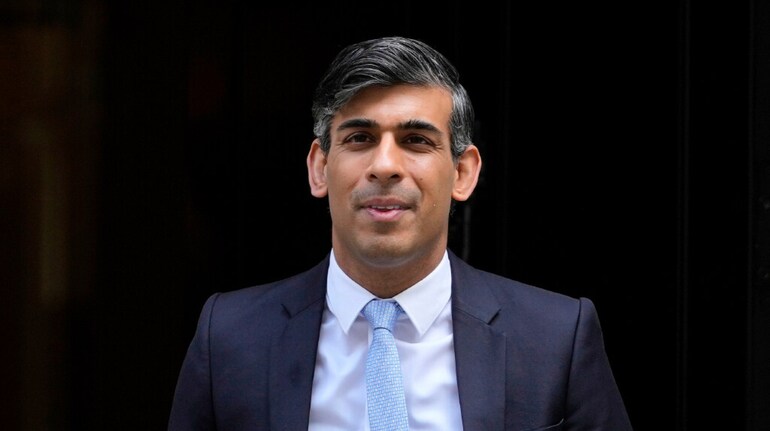

Former UK Prime Minister Rishi Sunak has warned that artificial intelligence is already affecting hiring patterns, with early data showing a decline in entry-level roles in sectors exposed to AI. In a blog posted on The Sunday Times, Sunak pointed to research indicating a drop in hiring for entry-level positions in AI-exposed professions. He said the shift is happening faster than policymakers expected, making it difficult for governments to respond using traditional data.
“Workers will compete with AI-enabled peers”
Sunak said the immediate risk is not full automation but competition between workers. “Workers will lose jobs to people using AI before machines replace them,” he noted, highlighting how AI tools can increase productivity for those who adopt them.
He added that AI literacy will become a basic requirement across industries, similar to a core professional skill, and urged governments to prioritise training and reskilling.
Focus on skills and adaptation
According to Sunak, the immediate risk is not full automation but the growing gap between workers who use AI tools and those who do not. He said employees who adopt AI will become more productive, potentially replacing those who lack these skills.
Sunak emphasised that AI literacy will soon become a basic requirement across industries. He called for education systems to support continuous learning, allowing workers to retrain multiple times during their careers.
He also highlighted the role of apprenticeships, saying they can help workers build practical skills alongside theoretical knowledge in a changing job market.
Call for tax reforms
A key part of Sunak’s argument is the need to reform tax systems. He noted that companies currently face additional costs when hiring workers, while using AI tools does not carry similar tax implications.
Sunak said this imbalance could push businesses towards automation instead of hiring. He suggested reducing taxes on employment to make hiring more viable and to support job creation during the AI transition.
Balancing automation and augmentation
Sunak said policymakers must decide whether AI is used primarily to automate jobs or to support workers. He argued that using AI to augment human work could improve productivity and wages, while unchecked automation risks higher unemployment.
He added that governments need to act quickly to shape how AI is deployed in the economy, warning that delays could lead to long-term structural challenges in the labour market.


Discover the latest Business News, Sensex, and Nifty updates. Obtain Personal Finance insights, tax queries, and expert opinions on Moneycontrol or download the Moneycontrol App to stay updated!





Find the best of Al News in one place, specially curated for you every weekend.
Stay on top of the latest tech trends and biggest startup news.