- My Alerts
- Go Ad-Free
-
My Account












9 Windows 11 settings to change to fix slow performance issue
A slow Windows 11 laptop can hinder productivity. Modifying certain system settings may improve its operational speed. Users can address performance issues by reviewing and adjusting configurations within the operating system. Nine settings adjustments can contribute to a faster Windows 11 experience:




1/9

Uninstall useless apps and softwares
Applications that launch automatically at startup can consume resources and extend boot times. Access 'Startup Apps' through Settings > Apps > Startup. Identify and disable programs not required immediately upon system start. This action conserves system resources.
Applications that launch automatically at startup can consume resources and extend boot times. Access 'Startup Apps' through Settings > Apps > Startup. Identify and disable programs not required immediately upon system start. This action conserves system resources.
2/9
Adjust the effects
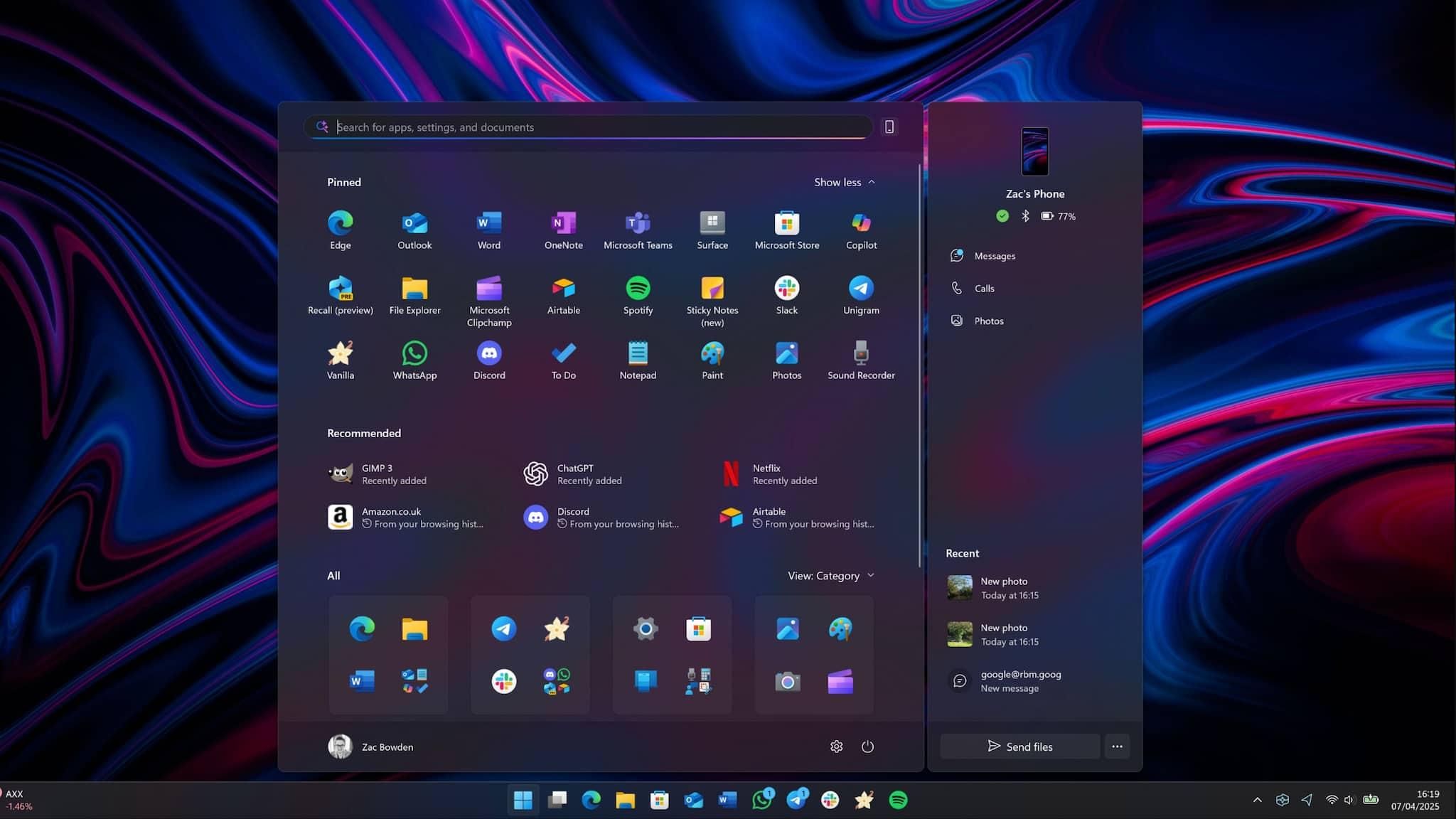
Windows 11 features visual enhancements such as animations and shadow effects. These can utilise system resources. Navigate to System Properties > Advanced tab > Performance section > Settings > Visual Effects tab. Select 'Adjust for best performance' and apply the change. A restart may be necessary.
Windows 11 features visual enhancements such as animations and shadow effects. These can utilise system resources. Navigate to System Properties > Advanced tab > Performance section > Settings > Visual Effects tab. Select 'Adjust for best performance' and apply the change. A restart may be necessary.
3/9

Storage Sense is a handy tool
Insufficient disk space can impact system speed. Windows includes Storage Sense, accessible via System > Storage. Enable this feature to allow Windows to automatically remove unnecessary files, such as temporary files and items in the recycle bin, according to a schedule you can configure.
Insufficient disk space can impact system speed. Windows includes Storage Sense, accessible via System > Storage. Enable this feature to allow Windows to automatically remove unnecessary files, such as temporary files and items in the recycle bin, according to a schedule you can configure.
4/9
Confirm page file management
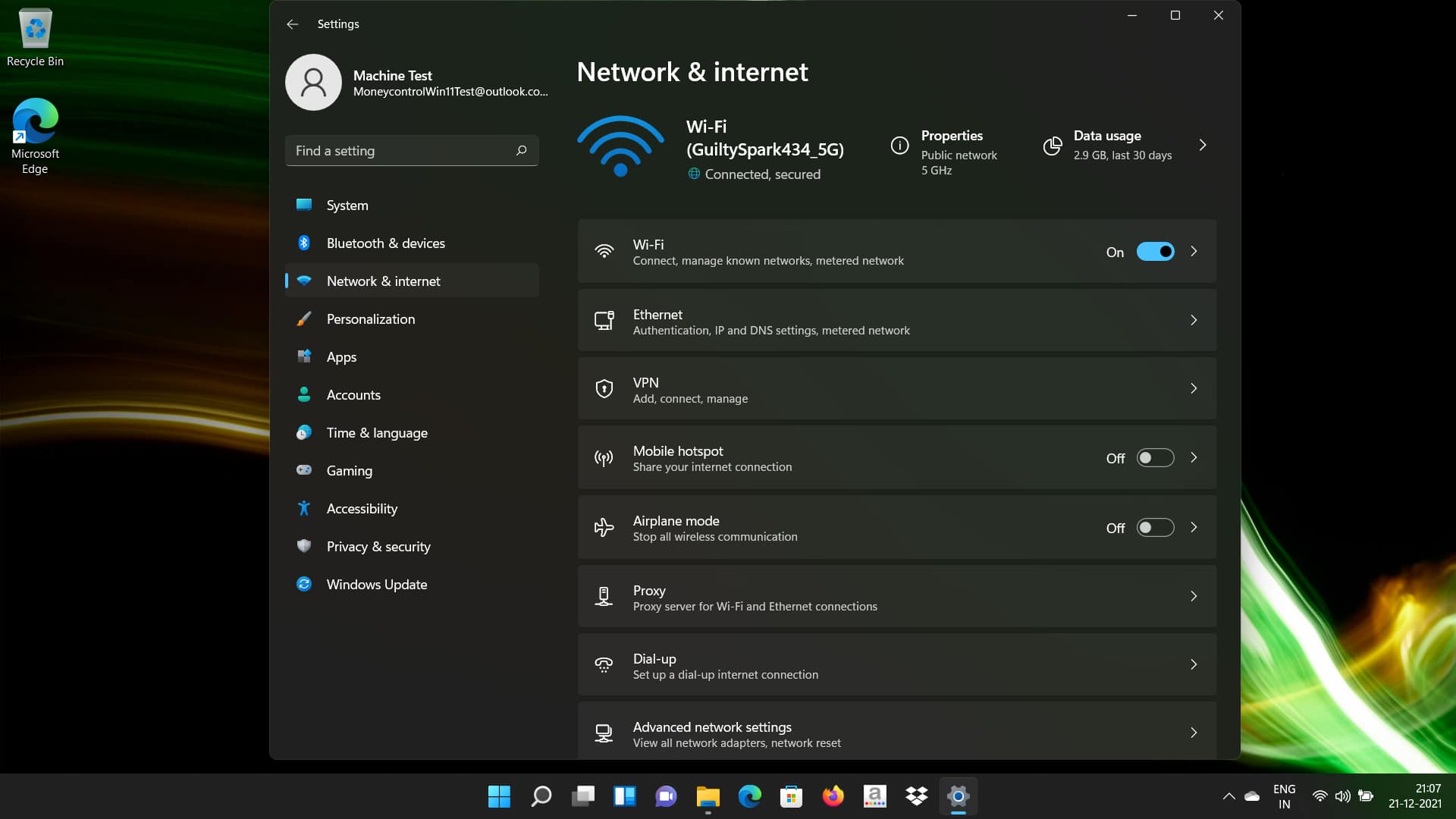
Windows uses a paging file on the hard disk as virtual memory. Performance can be affected if this is not managed correctly. Check this by going to System Properties > Advanced tab > Performance Settings > Advanced tab > Virtual memory > Change. Ensure 'Automatically manage paging file size for all drives' is selected.
Windows uses a paging file on the hard disk as virtual memory. Performance can be affected if this is not managed correctly. Check this by going to System Properties > Advanced tab > Performance Settings > Advanced tab > Virtual memory > Change. Ensure 'Automatically manage paging file size for all drives' is selected.
5/9
Consider ReadyBoost
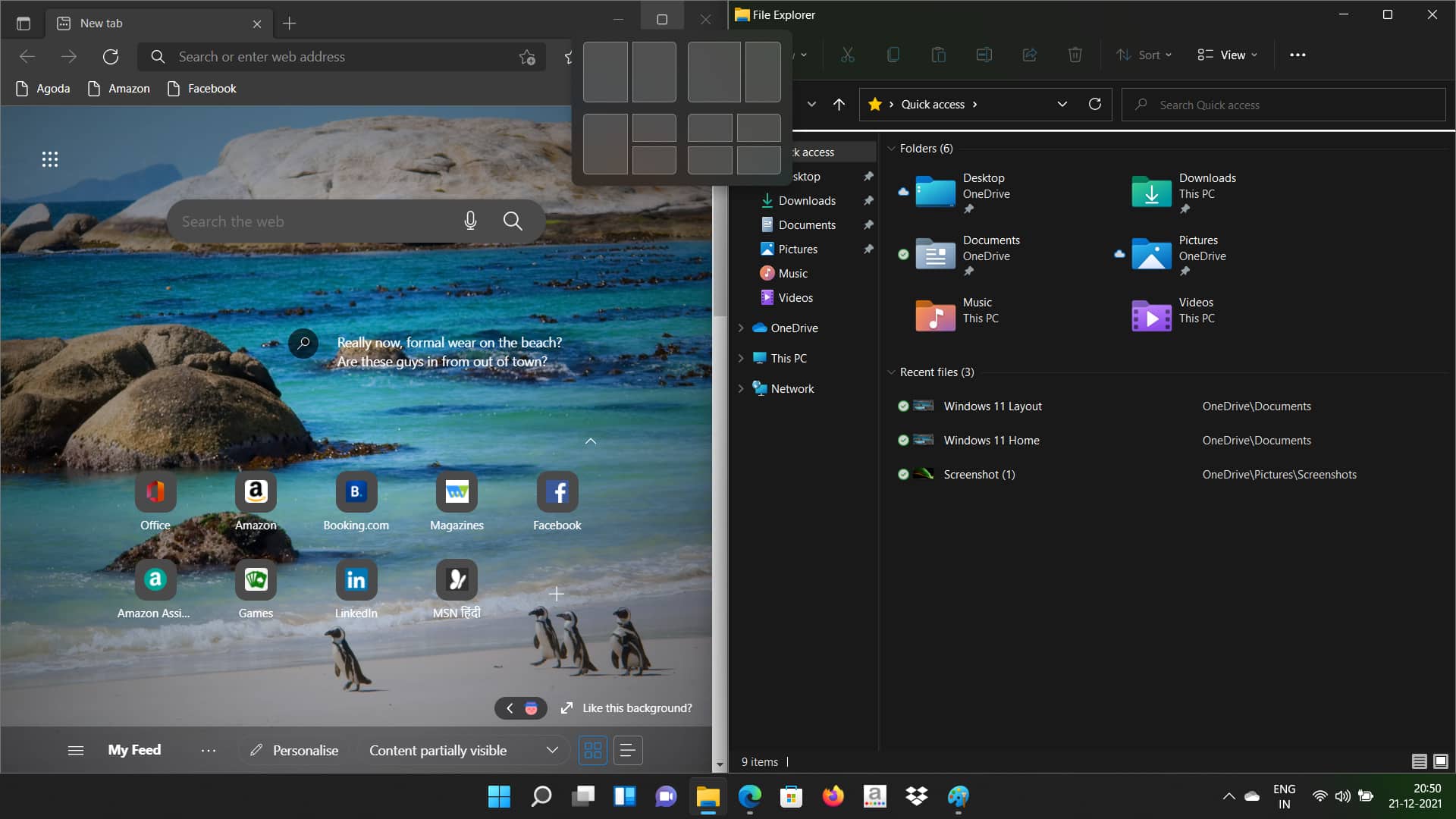
If your PC uses a traditional hard drive, ReadyBoost can use a USB flash drive or memory card to improve system responsiveness. Insert the drive, open File Explorer, right-click the drive, select Properties, then the ReadyBoost tab. If the device is compatible, select 'Use this device'.
If your PC uses a traditional hard drive, ReadyBoost can use a USB flash drive or memory card to improve system responsiveness. Insert the drive, open File Explorer, right-click the drive, select Properties, then the ReadyBoost tab. If the device is compatible, select 'Use this device'.
6/9
Run compatibility troubleshooter
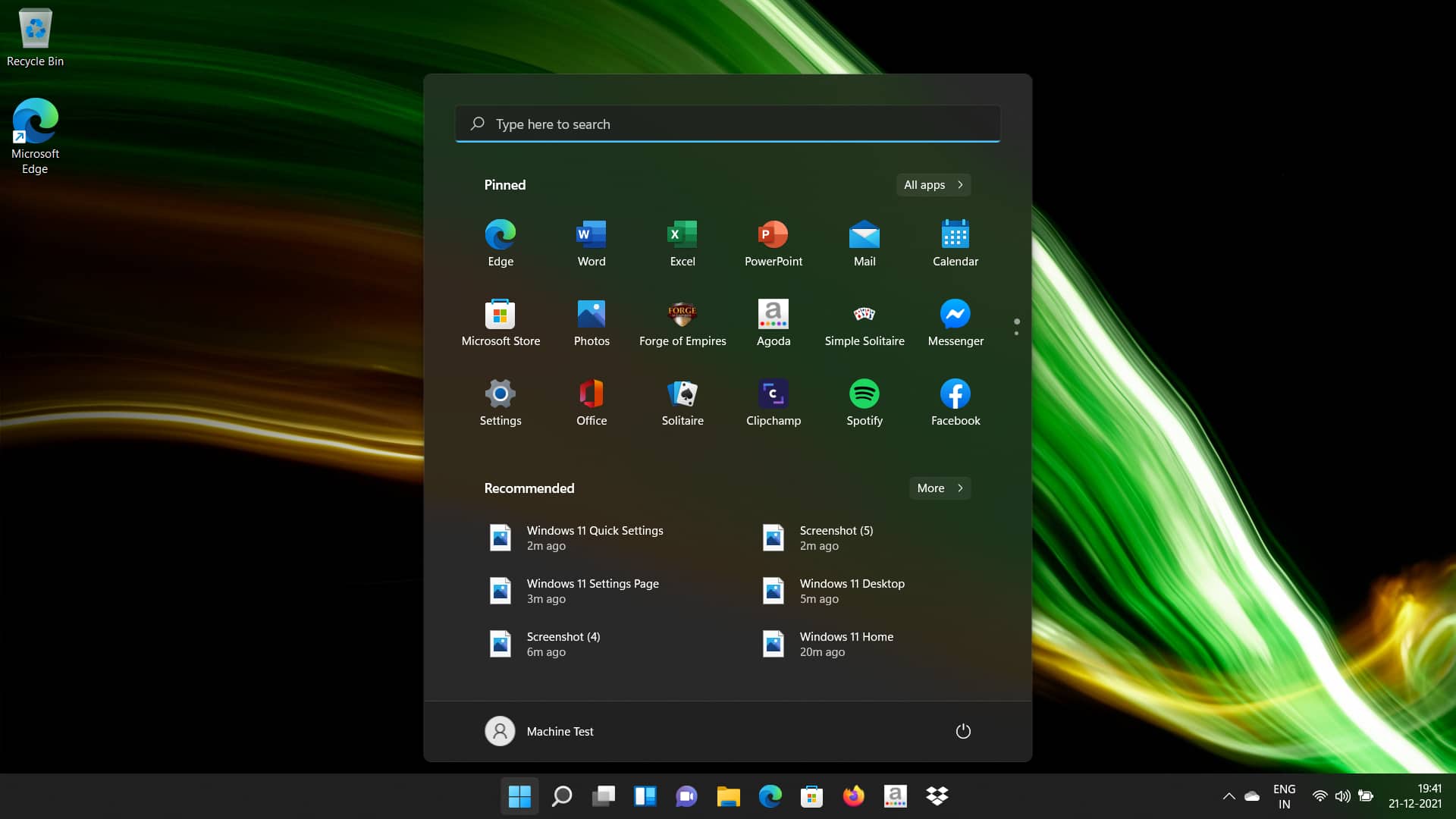
Older software not optimized for Windows 11 might cause slowdowns. The Program Compatibility Troubleshooter can help. Access it via Search > type 'troubleshoot' > Troubleshoot settings > Other troubleshooters. Select 'Run' next to Program Compatibility Troubleshooter and choose the application causing issues.
Older software not optimized for Windows 11 might cause slowdowns. The Program Compatibility Troubleshooter can help. Access it via Search > type 'troubleshoot' > Troubleshoot settings > Other troubleshooters. Select 'Run' next to Program Compatibility Troubleshooter and choose the application causing issues.
7/9
Check OneDrive sync
Continuous file synchronisation with OneDrive can utilise system resources and network bandwidth. If performance issues are noted, try pausing OneDrive syncing temporarily. This can be done by selecting the OneDrive icon in the taskbar, then Help & Settings > Pause syncing.
Continuous file synchronisation with OneDrive can utilise system resources and network bandwidth. If performance issues are noted, try pausing OneDrive syncing temporarily. This can be done by selecting the OneDrive icon in the taskbar, then Help & Settings > Pause syncing.
8/9
Maintain Windows Security: Viruses or malware can significantly degrade PC performance. Ensure Windows Security is active and updated by navigating to Start > Settings > Privacy & Security> Windows Security. Perform regular scans, such as a 'Quick scan', to detect and remove threats.
9/9
Enable system protection
System Restore can revert your PC to an earlier state if a recent app, driver, or update causes problems. For this to function, system protection must be active. Search for 'create a restore point', select it, go to the System Protection tab, choose a drive, click 'Configure', and select 'Turn on system protection'.
System Restore can revert your PC to an earlier state if a recent app, driver, or update causes problems. For this to function, system protection must be active. Search for 'create a restore point', select it, go to the System Protection tab, choose a drive, click 'Configure', and select 'Turn on system protection'.
Discover the latest Business News, Budget 2025 News, Sensex, and Nifty updates. Obtain Personal Finance insights, tax queries, and expert opinions on Moneycontrol or download the Moneycontrol App to stay updated!



