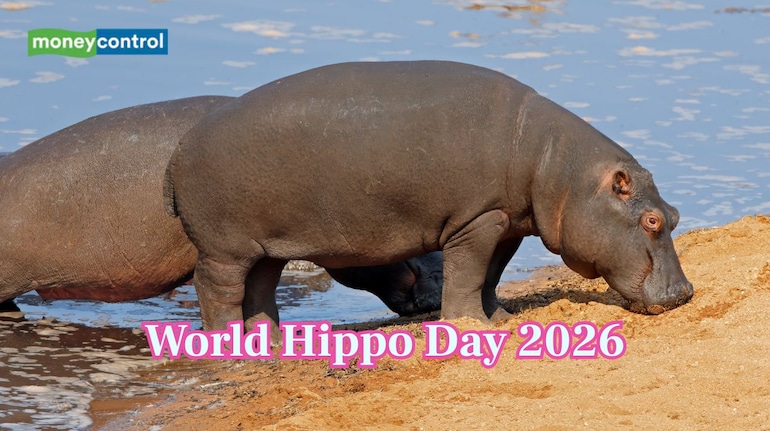

Every year on February 15, wildlife groups mark World Hippo Day to raise awareness about one of Africa’s most iconic animals, the Hippopotamus amphibius. They spend days half-submerged beneath still water. Yet hippos are among Africa’s most dangerous mammals. Today, they need protection more than ever. World Hippo Day 2026 highlights a troubling reality. The common hippopotamus faces growing survival threats. Despite their power, their future remains uncertain.
What Makes Hippos So Dangerous?
Hippos are massive, territorial and fiercely protective. Adult males can weigh over 1,500 kilograms. They possess enormous jaws with sharp tusk-like teeth. Their bite force ranks among the strongest in mammals.
Hippos charge when they feel threatened. Most attacks occur near water territories. They can outrun humans over short distances. They swim swiftly despite their bulk. In Africa, hippos cause hundreds of deaths yearly. Their reputation as dangerous is well-earned.
Where Do Hippos Live?
Hippos inhabit sub-Saharan African rivers and wetlands. They rely on freshwater lakes and slow-moving streams. Water protects their sensitive skin from sunburn. At night, they graze on nearby grasslands. One hippo can consume up to 40 kilograms nightly. Countries like Kenya, Tanzania and Zambia host significant populations. But habitat loss is shrinking these safe spaces.
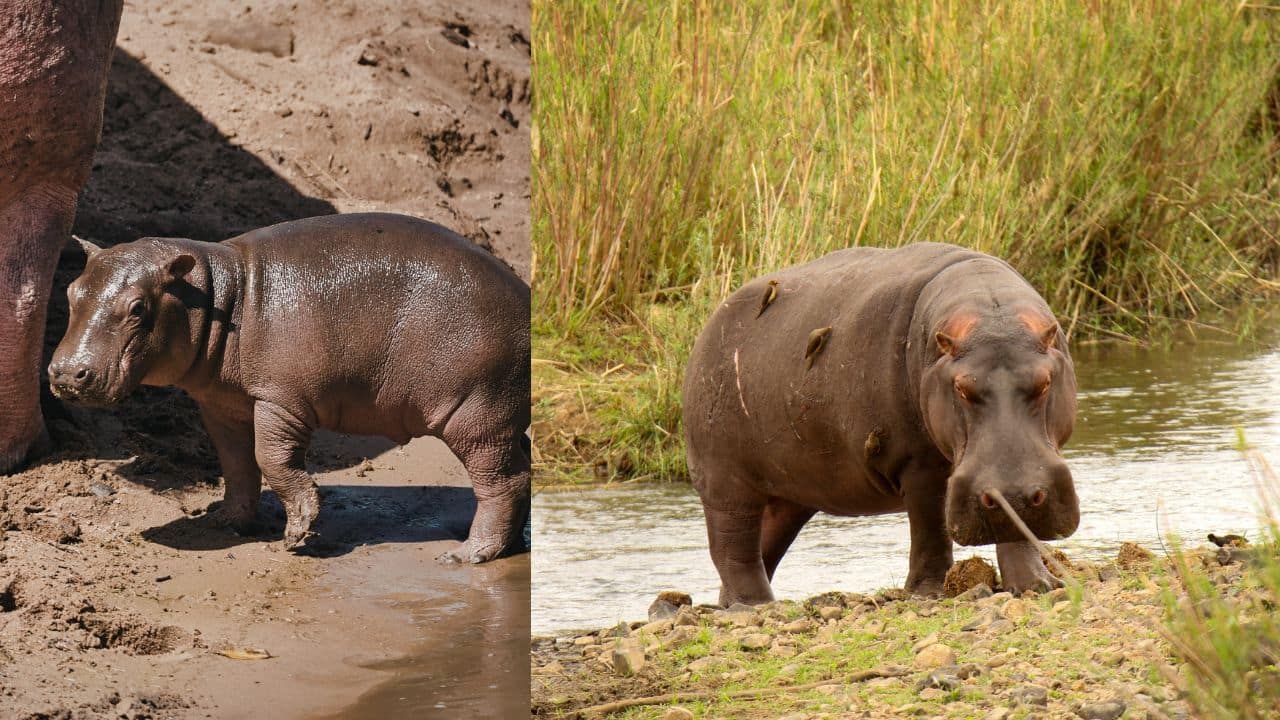 One hippo can consume up to 40 kilograms. (Image: Canva)
A Species Under Pressure
Despite their strength, hippos are listed as Vulnerable on the International Union for Conservation of Nature Red List. Their numbers are declining. The biggest threats include habitat loss due to expanding agriculture.
Shrinking rivers caused by climate change is also a threat for hippos. Illegal hunting for meat and ivory-like teeth and human-wildlife conflict is also a part of threat faced by this species.
Are Hippos Helpful to Nature?
Hippos are ecosystem engineers in rivers. Their waste fertilises aquatic environments naturally. Nutrients from dung support fish populations. They carve channels that improve water circulation. Without hippos, river ecosystems would change drastically. Biodiversity could decline in affected wetlands.
Why World Hippo Day Matters?
Conservation groups across Africa are pushing for stronger river protection policies, anti-poaching patrols, and community-based conflict solutions. Protecting hippos also protects freshwater ecosystems and freshwater ecosystems support millions of people.
Wildlife organisations across Africa lead conservation efforts. The World Wildlife Fund supports habitat protection projects. World Hippo Day raises awareness globally. It highlights the paradox of danger and vulnerability.
Discover the latest Business News, Sensex, and Nifty updates. Obtain Personal Finance insights, tax queries, and expert opinions on Moneycontrol or download the Moneycontrol App to stay updated!
Find the best of Al News in one place, specially curated for you every weekend.
Stay on top of the latest tech trends and biggest startup news.