With the world revolutionising to solve the problem of climate change, a hero emerges unpredictably, one who comes out of the oceanic depths. The lowly marine plant, seaweed, has the potential to be the solution to greenhouse gas emissions, coastal settlements and marine ecosystem preservation.
Seaweed: All-Rounder in the Climate Battle
The use of seaweed as a culinary ingredient or as an adornment in an aquarium is often ignored, whereas seaweed has far greater uses. Scientists have considered it to be a comprehensive resource on the climate war. The seven capabilities it exhibits make it build a more sustainable future.
Superpower 1: Seaweed Helps Storing Carbon
Seaweed absorbs carbon dioxide like land plants but needs no land, fertiliser, or freshwater. Scientists suppose that the potential carbon sequestration of seaweed beds can match the potential of mangroves, salt marshes and seagrasses. This makes seaweed massively underestimated, partner in the fight of climate change in a warming world.
 Seaweed is a sustainable food source and adaptation tool (Image: Canva)
Superpower 2: Seaweed as a Low-Carbon Food Source
Conventional farming emits high greenhouse gases, but seaweed needs no land, fertiliser or freshwater. Rich in minerals and protein, Seaweed offers a low-carbon, sustainable food solution for millions globally.
Superpower 3: Seaweed Supports Coastal Communities
Coastal livelihoods are threatened by rising seas, storms, and shifting fish stocks. Seaweed farming offers extra income, diversifies earnings and helps communities adapt sustainably to climate change impacts.
Superpower 4: Seaweed Protects Shorelines
The seaweed farms serve as breakwaters in the sea capturing the energy of waves and prevention of erosion. In some areas, the seaweed has offered some level of protection to the coastlines in times of harsh storms where human structures were damaged.
With the growing frequency of extreme weather events these green barriers may become a vital part of the coastal security.
Superpower 5: Seaweed Offers Alternatives to Plastic
An alternative of plastic pollution is seaweed, which is sustainable. It would be possible to convert plastic into biodegradable packaging and fishing equipment. The growth and reuse of seaweed-based materials would be able to minimise plastic waste and decrease the number of emissions.
Superpower 6: Seaweed Mitigates Ocean Acidification
Rising carbon dioxide is making oceans more acidic, threatening shellfish and other marine life. Seaweed naturally absorbs CO₂ and nutrients from the water. This can stabilise local pH levels and create refuges for vulnerable species, supporting biodiversity in changing oceans.
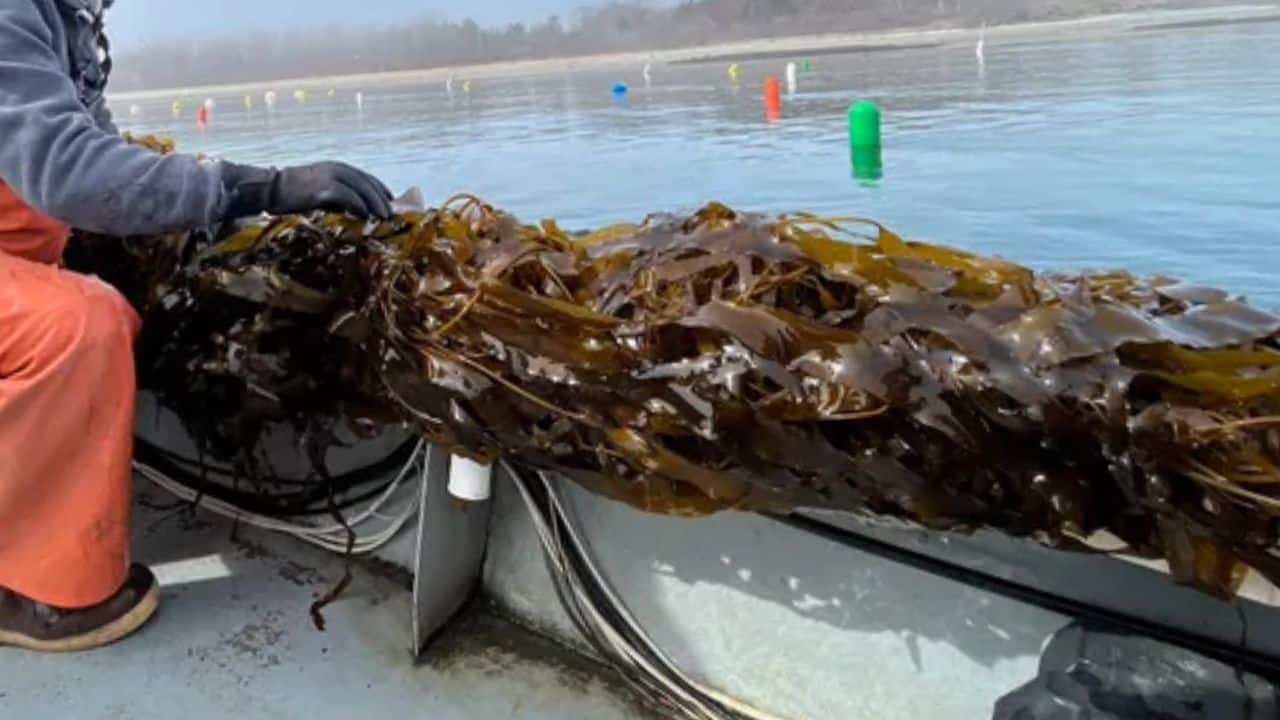 Seaweed absorbs CO₂ as it grows, much like land plants. (Image: Daniel Vernick/WWF)
Superpower 7: Seaweed Reduces Livestock Emissions
There are encouraging results by using seaweed as animal feed. It has been shown that small amounts can reduce the methane emissions in cattle and other livestock. The seaweed supplementation also improves the health of animals.
It reduces the necessary amount of antibiotics and lowers emissions per unit of food. Seaweed is a pathway to decarbonise parts of the high-emission livestock sector.
Why Seaweed Matters Now?
As the world grapples with deforestation and ecosystem collapse, seaweed offers a simple, scalable and nature‑based answer. Seaweed's versatility from carbon sequestration to shoreline protection makes it a unique nature-based tool.
 Seaweed offers a simple, scalable and nature‑based answer. (Image: Canva)
Seaweed is not a silver bullet. But in a world seeking fast, scalable and low-impact solutions, it could be one of the most underestimated weapons against climate change. The ocean may be hiding more answers and seaweed is leading the charge.
Discover the latest Business News, Sensex, and Nifty updates. Obtain Personal Finance insights, tax queries, and expert opinions on Moneycontrol or download the Moneycontrol App to stay updated!





Find the best of Al News in one place, specially curated for you every weekend.
Stay on top of the latest tech trends and biggest startup news.