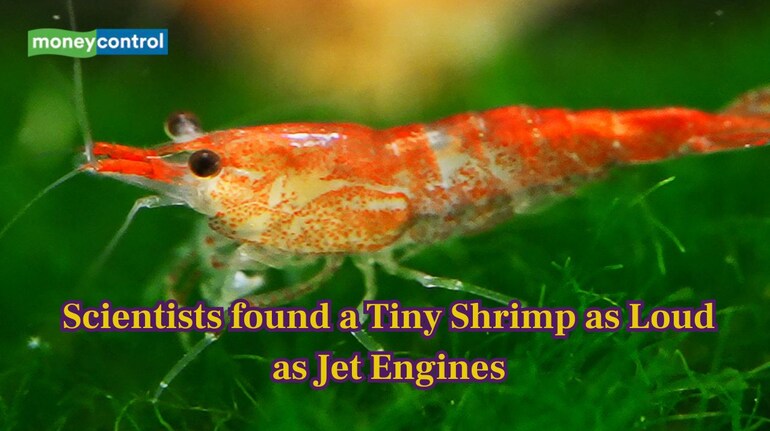
Beneath the waves, an unlikely noise is baffling scientists. It is not a submarine or a whale. It is a tiny shrimp. According to science, shrimp is the only creature who is a real noisemaker. Snapping shrimp, barely a few centimetres long, are making headlines. Scientists say 2025 has revealed just how loud they can be.
The Ocean’s Tiny Loudspeaker
These shrimps wield a specialised claw that snaps with incredible force. The snap creates a high-pressure bubble that collapses violently underwater. This bubble releases sound waves reaching 210 decibels which is louder than jet engines. Even giant whales have to compete with this underwater racket.
Disrupting Scientific Studies
Researchers are struggling to record quieter marine life. Snapping shrimp colonies create a constant cacophony in coastal waters. Hydrophones used to track marine mammals or seabed changes often fail. Dugongs, turtles and other elusive species can get lost in the noise.
How a Tiny Shrimp Creates a Sonic Shockwave?
The sound is not produced by impact alone. The snapping claw fires faster than the eye can see. This movement creates a bubble through extreme pressure changes. The bubble collapses instantly, releasing intense sound and heat.
Temperatures briefly reach levels comparable to the surface of the Sun. Scientists call this phenomenon cavitation, rarely seen in nature. It turns a small shrimp into an underwater shockwave generator.
Why This Fascinates Scientists?
This natural mechanism inspires modern engineering research. Physicists study it to understand energy release underwater. Engineers explore applications in medicine and naval technology. Biologists use it to learn how animals evolved extreme adaptations. One tiny shrimp connects physics, biology and climate science.
The Ocean That Never Sleeps
In some coastal regions, the snapping of shrimps never stops. Entire reefs crackle day and night with constant sound this creature makes. Sailors once mistook this noise for faulty ship equipment.
During wartime, navies confused it with enemy submarines. The sound can dominate underwater recordings for kilometres. What seems like chaos is actually a living, breathing reef. The ocean, it turns out, is far louder than imagined.
Discover the latest Business News, Sensex, and Nifty updates. Obtain Personal Finance insights, tax queries, and expert opinions on Moneycontrol or download the Moneycontrol App to stay updated!





Find the best of Al News in one place, specially curated for you every weekend.
Stay on top of the latest tech trends and biggest startup news.