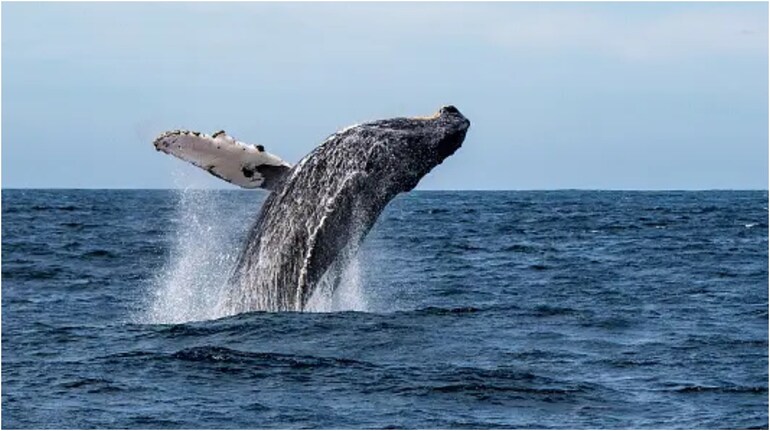
Not all eyes see the same: Top 10 animals known for colourblind vision
Many familiar creatures see the world very differently from humans, with limited colours shaping how they hunt, move and survive across land, sky and sea.
December 11, 2025 / 13:12 IST
A quiet walk in nature often hides surprises. Many animals see worlds unlike ours. Their colours appear muted or shifted differently. Their eyes favour survival over vivid tones. These creatures rely on movement and contrast instead. Their sight helps them hunt or navigate safely. BBC Wildlife Magazine notes key reasons behind this. Limited cone cells shape their colour range sharply.
- Dogs and Colourblind Vision Dogs view mainly blues and yellows daily. Their eyes lack red and green cones. Their vision supports movement tracking well. Their colour world appears soft and muted.
 (Image: Canva)
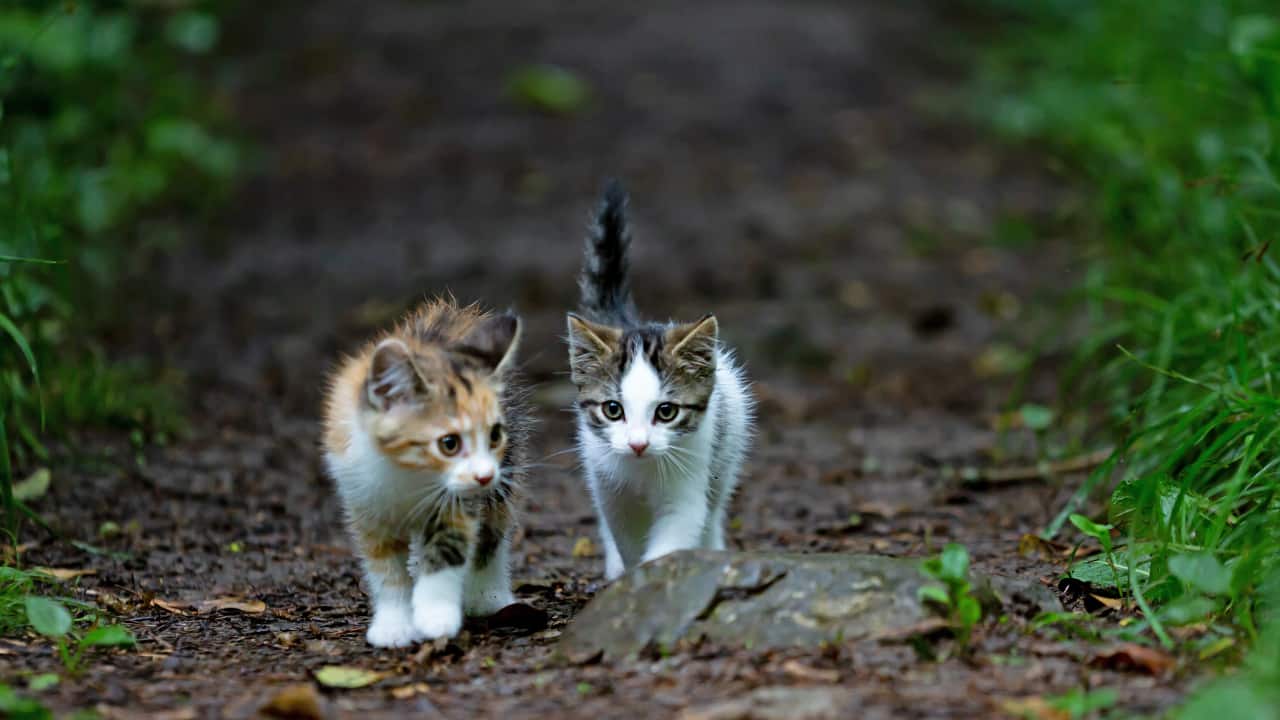
- Cats and Dull Colour Perception Cats detect blues and greens reasonably well. Reds and oranges appear unclear for them. Their eyes prioritise hunting needs strongly. Sharp night vision replaces wide colour depth.
 (Image: Unsplash)
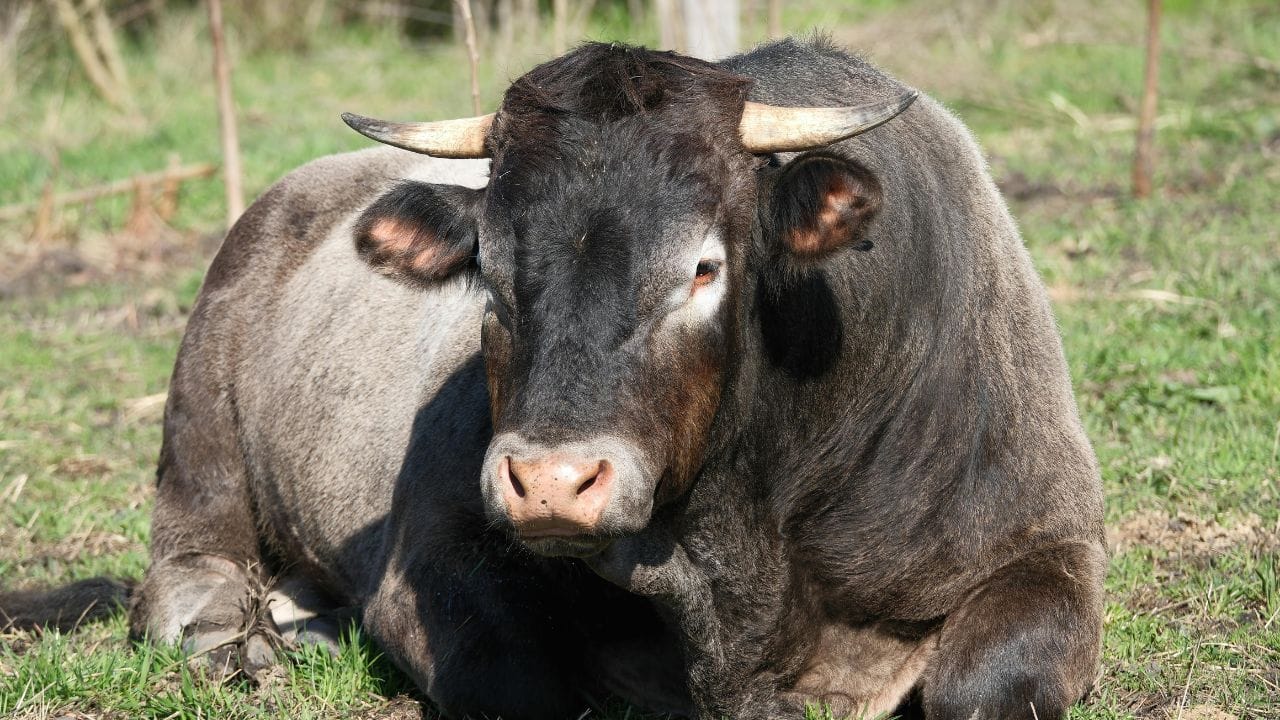
- Bulls and Limited Colour Range Bulls see blues and yellows mainly. They ignore bright red entirely. Movement triggers their reactions instead. Their colour sense stays strongly restricted naturally.
 (Image: Canva)
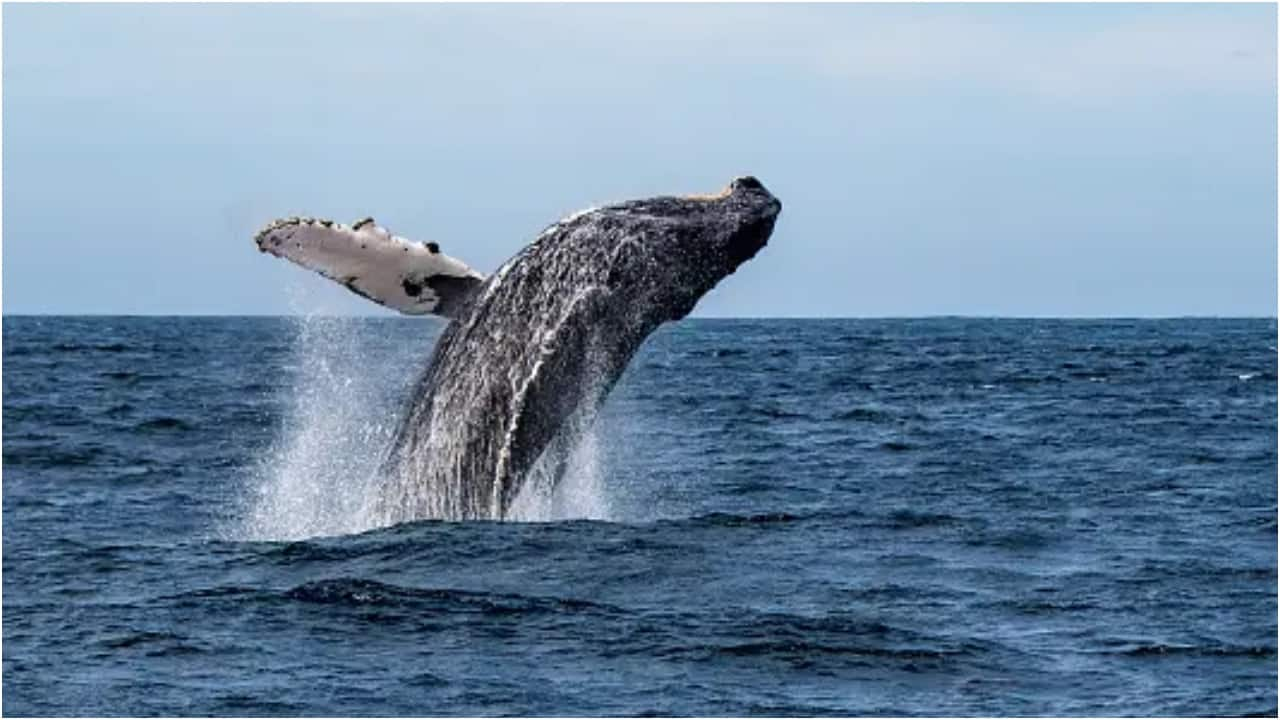
- Whales and Monochrome Ocean Vision Whales often rely on grayscale tones. Their underwater world hinders colour use. Sound helps them travel long distances. Their sight suits dark marine depths.
 (Image: Canva)
- Dolphins and Low Colour Sensitivity Dolphins experience limited blue and green. Their vision favours shapes and contrasts. Underwater conditions challenge colour detection. Echolocation replaces rich colour reliance easily.
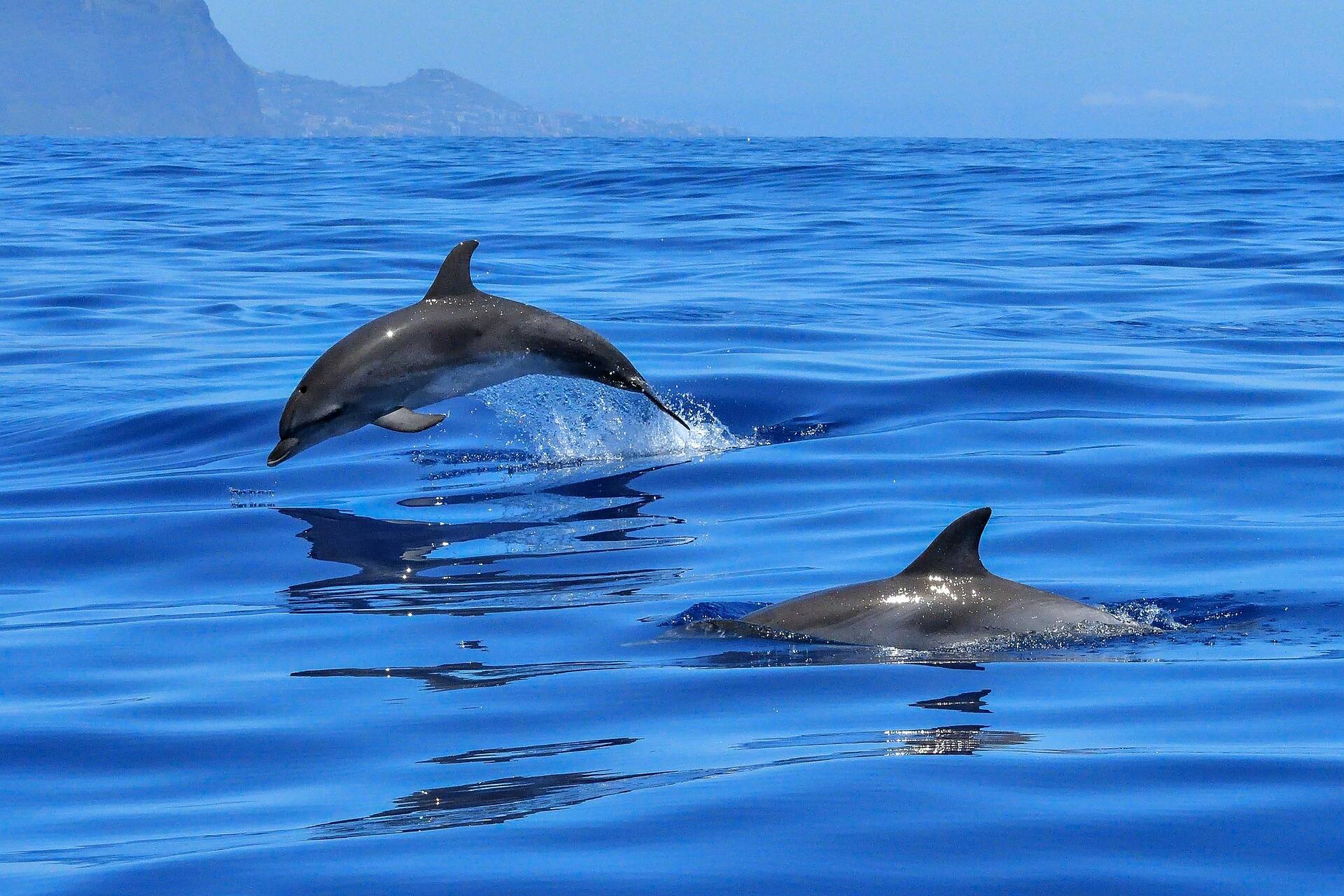 (Image: Canva)
- Sharks and Greyscale Hunting Vision Sharks mainly see black and white. Grey shades guide their movements daily. Contrast helps them detect prey quickly. Murky seas support this visual style.
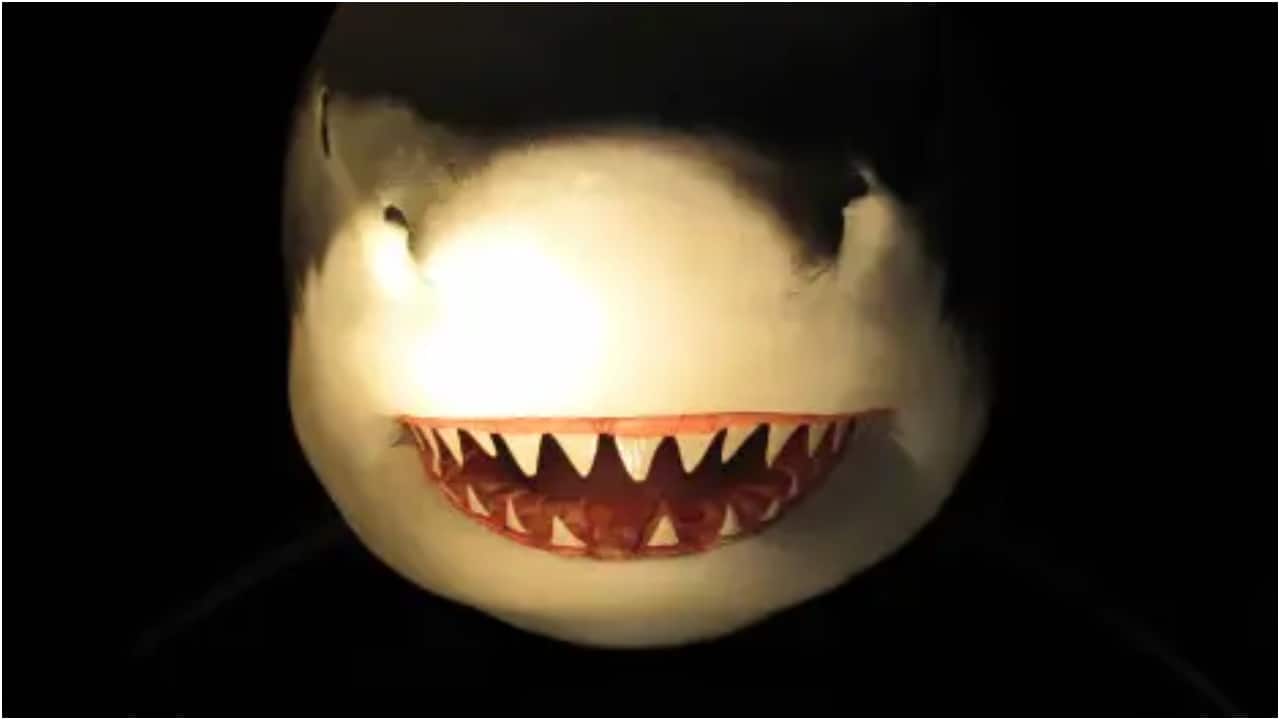 (Image: Canva)
- Owls and Weak Colour Distinction Owls use night vision extremely well. Their eyes hold many rod cells. Colour details remain faint for them. Darkness shapes their hunting patterns mostly.
 (Image: Canva)
- Deer and Red-Green Colourblindness Deer struggle with reds and greens. Their dichromatic sight limits colour detail. Movement cues help them avoid danger. Forest habitats suit their vision well.
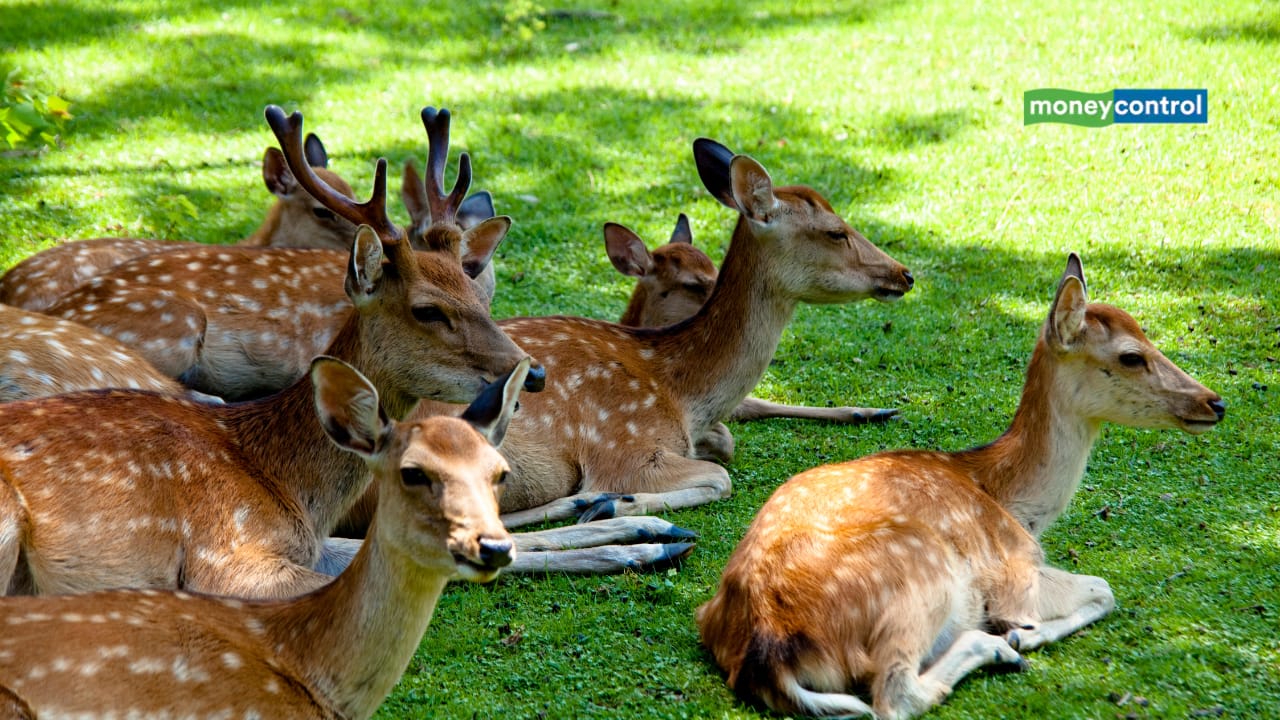 (Image: Canva)
- Cows and Narrow Colour Perception Cows see blues and yellows clearly. Red and green shades appear faded. Their calm grazing habits continue unaffected. Their sight fits open fields naturally.
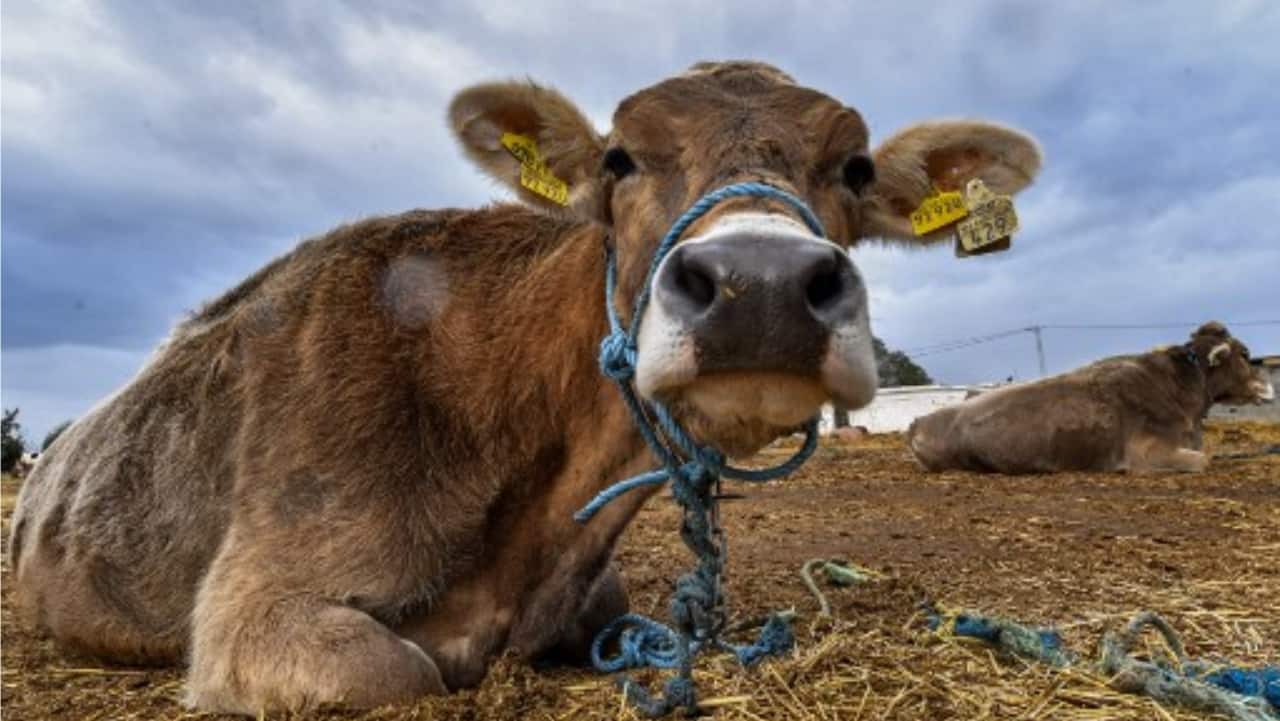 (Image: Canva)
- Rats and Basic Colour Vision Rats view blues and greens mainly. Their eyes miss richer hues. Their vision supports survival tasks well. Dim spaces strengthen their sense reliance.
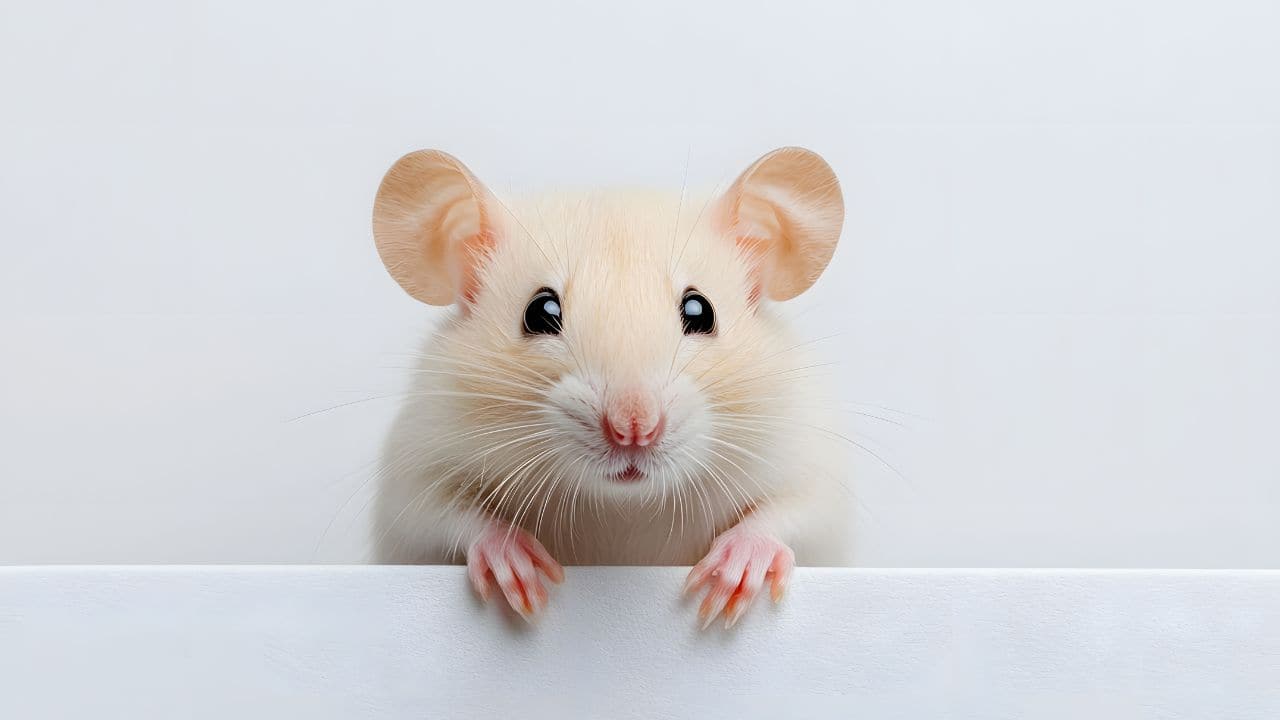 (Image: Canva)
Colourblind animals rely on senses differently. Their sight adapts to specific needs. Movement and contrast often guide them. These abilities help them survive well. BBC Wildlife Magazine highlights these patterns clearly. Their vision suits their unique environments effectively.
Discover the latest Business News, Sensex, and Nifty updates. Obtain Personal Finance insights, tax queries, and expert opinions on Moneycontrol or download the Moneycontrol App to stay updated!