





Get App Open
In App
Credit Cards
Open App
Loans
Loans

Newts vs Salamanders: Spotting the hidden differences

Gurpreet Singh | December 01, 2025 / 15:33 IST
1/10
1. Newts and Salamanders: Both newts and salamanders are long-tailed amphibians, but they have different lifecycles, skin textures and habitats worldwide. (Image: Canva)
2/10
2. Rough vs Smooth Skin: Many newts have bumpy, rough skin, while most salamanders feature smooth, moist skin ideal for land and aquatic living. (Image: Canva)
3/10
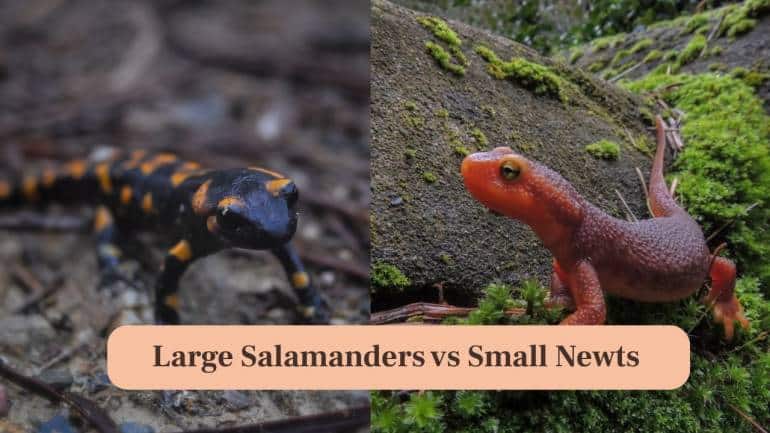
3. Large Salamanders vs Small Newts: Salamanders’ smooth skin helps them retain moisture, while newts’ skin may appear warty or rough for semi-aquatic survival. (Image: Canva)
4/10
4. Net Eft Stage: Some newts undergo a bright-colored terrestrial juvenile stage called an “eft” before returning to an aquatic adult phase. (Image: Canva)
5/10
5. Lifecycle Overview: Newts begin as aquatic larvae, then live on land before returning to water, while salamanders skip the eft stage entirely. (Image: Canva)
6/10
6. Adaptations for Water Life: Many newts have webbed feet and paddle-like tails, providing excellent swimming ability in ponds, streams and shallow water environments. (Image: Canva)
7/10
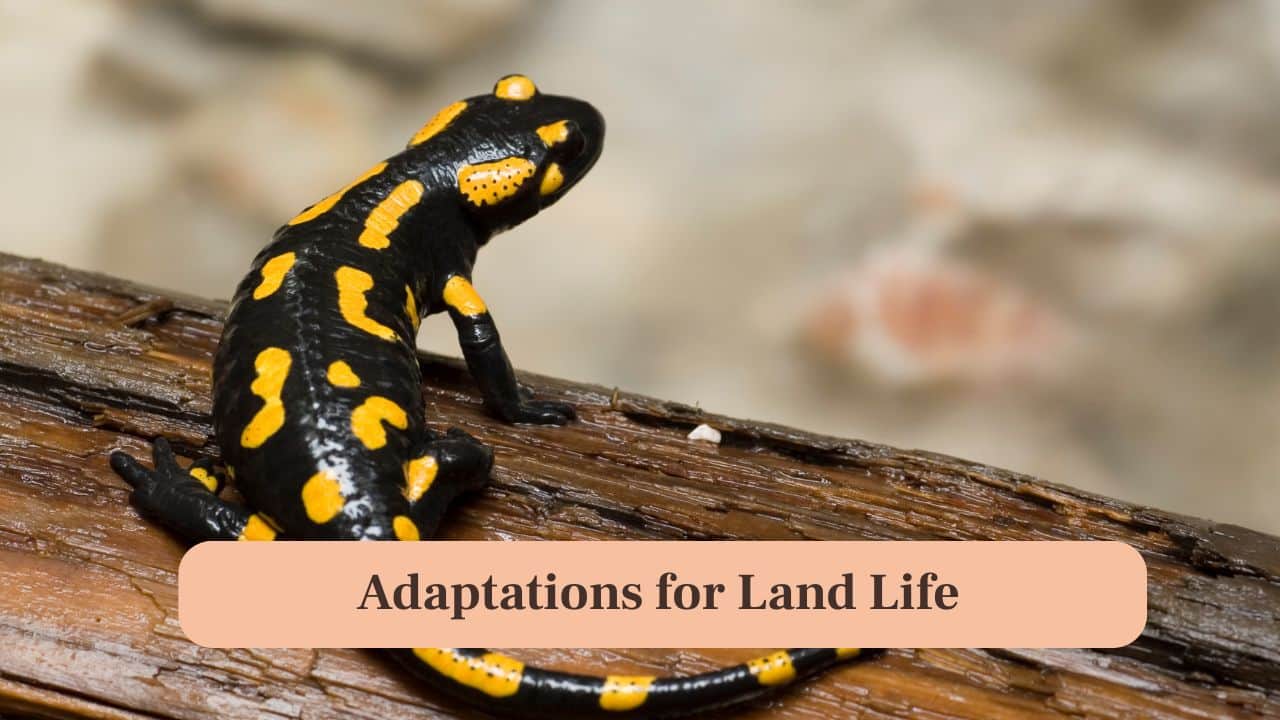
7. Adaptations for Land Life: Salamanders possess rounder tails and distinct toes, which help them navigate damp forest floors and terrestrial habitats efficiently. (Image: Canva)
8/10
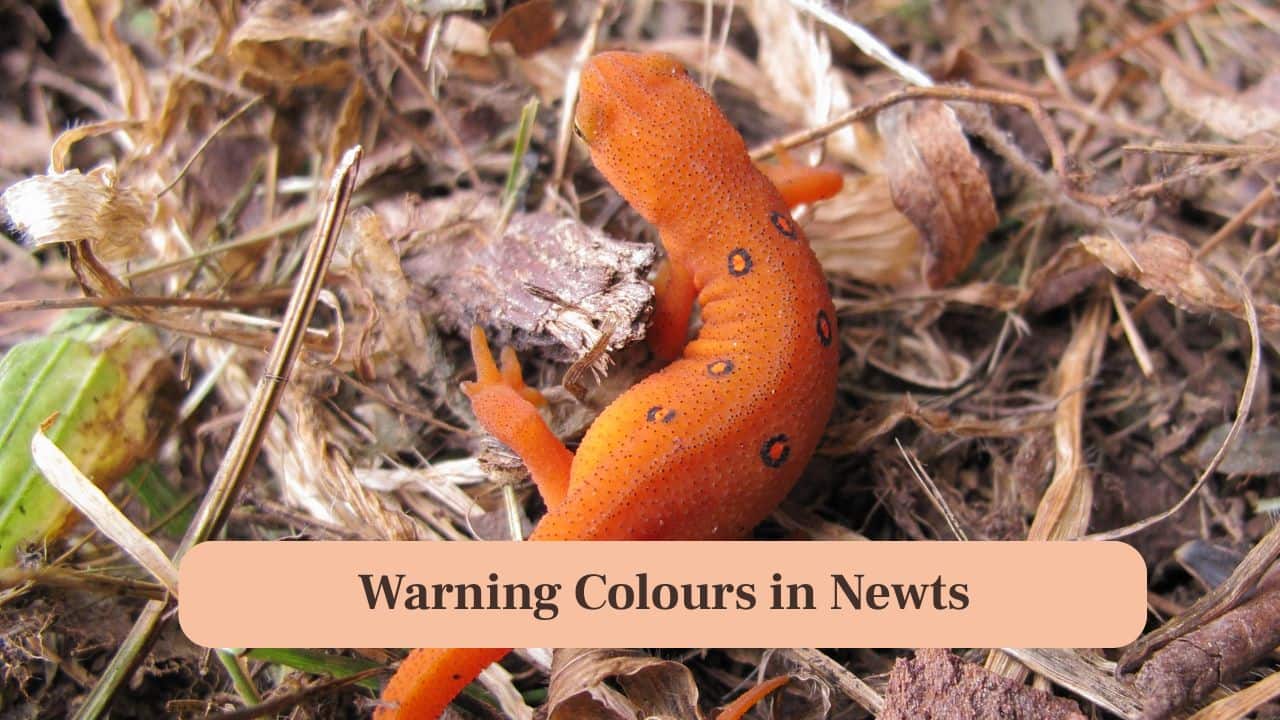
8. Warning Colours in Newts: Brightly colored newts often signal toxicity to predators, using striking hues to warn and deter potential threats in their habitat. (Image: Canva)
9/10
9. Camouflage in Salamander: Many salamanders display muted or dull colors, blending into leaf litter and forest floors to evade predators successfully. (Image: Canva)
10/10
10. Ecological Importance: Newts and salamanders play vital ecological roles, controlling insect populations and supporting aquatic-terrestrial food chains. If you want, I can also format this as a ready-to-import PowerPoint/Google Slides file with image placeholders and text boxes, so you can drop in photos directly. Do you want me to do that next? You said: Newts start as aquatic larvae, then move onto land, eventually returning to water for adult reproduction and feeding. Salamanders often transition directly from aquatic larvae to terrestrial or aquatic adults, skipping a separate eft juvenile stage entirely. Make it in 20 words ChatGPT said: Here’s a 20-word version of your text: Newts begin as aquatic larvae, then live on land before returning to water, while salamanders skip the eft stage entirely. If you want, I can also make a slightly snappier version for captions. (Image: Canva)
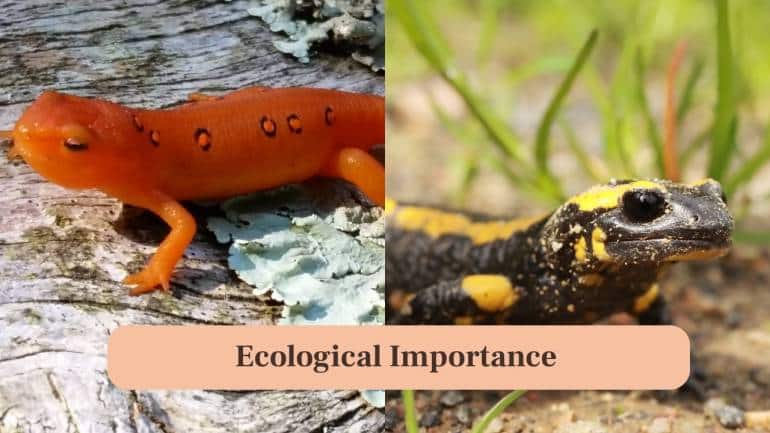
10. Ecological Importance: Newts and salamanders play vital ecological roles, controlling insect populations and supporting aquatic-terrestrial food chains. (Image: Canva)

Discover the latest Business News, Budget 2025 News, Sensex, and Nifty updates. Obtain Personal Finance insights, tax queries, and expert opinions on Moneycontrol or download the Moneycontrol App to stay updated!


Advisory Alert: It has come to our attention that certain individuals are representing themselves as affiliates of Moneycontrol and soliciting funds on the false promise of assured returns on their investments. We wish to reiterate that Moneycontrol does not solicit funds from investors and neither does it promise any assured returns. In case you are approached by anyone making such claims, please write to us at grievanceofficer@nw18.com or call on 02268882347