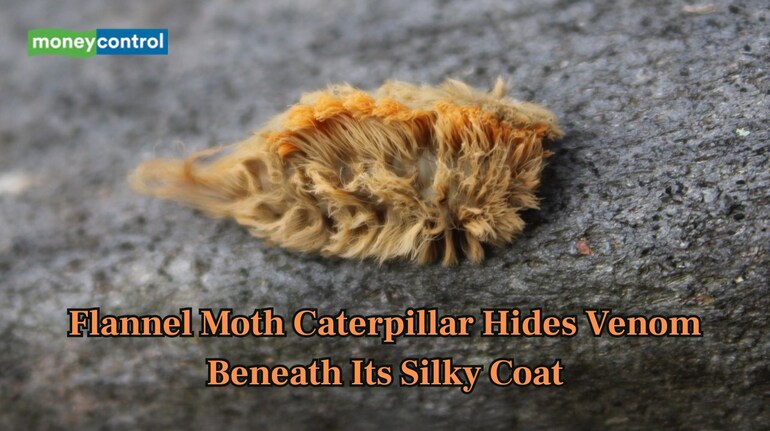
The flannel moth caterpillar fascinates scientists with its deceptive charm. Covered in silky fur, it appears harmless, almost invitingly soft. But beneath this gentle coat lies one of nature’s hidden threats.
This small, fuzzy insect carries venom capable of causing intense pain. Found across North America, it thrives on oak and willow leaves. Its beauty masks biology’s clever design of defence and survival.
Soft Appearance with Toxicity
The flannel moth caterpillar looks soft but hides venomous spines. Its silky coat conceals toxins that cause sharp burning pain. Known as the puss caterpillar, it is North America’s most venomous. Its sting can trigger swelling, nausea and intense skin irritation.
Hidden Mechanism of Defence
The hairs covering its body are actually hollow spines. These spines release venom when touched by humans or animals. The toxin causes immediate pain, sometimes lasting for several painful hours. Scientists believe this defence evolved to keep predators far away.
Relatives with Painful Reputations
The puss caterpillar belongs to a family of flannel moths. Its close kin include black-waved, white, and mesquite stinger caterpillars. The black-waved species causes rashes and headaches after mild stings.
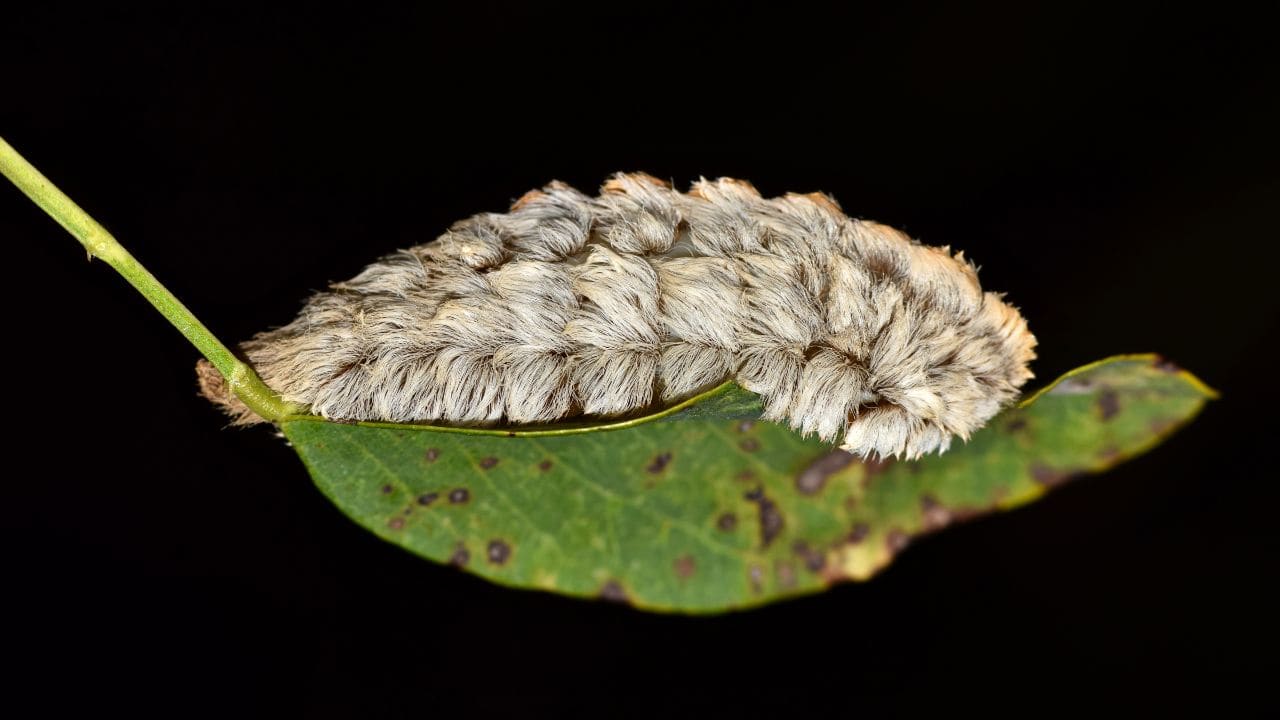 The puss caterpillar belongs to a family of flannel moths. (Image: Canva)
The white flannel moth caterpillar leaves blisters lasting nearly an entire day. The mesquite stinger species lives in deserts and feeds on acacia. Though milder, its sting still warns predators to stay cautious.
How this Species fascinate Scientists?
Researchers study these caterpillars to understand venom composition and defence. Their chemical makeup could reveal new insights into pain and healing. Scientists also note their importance in maintaining ecological food balance. Each species adapts to trees from oak to mesquite plants.
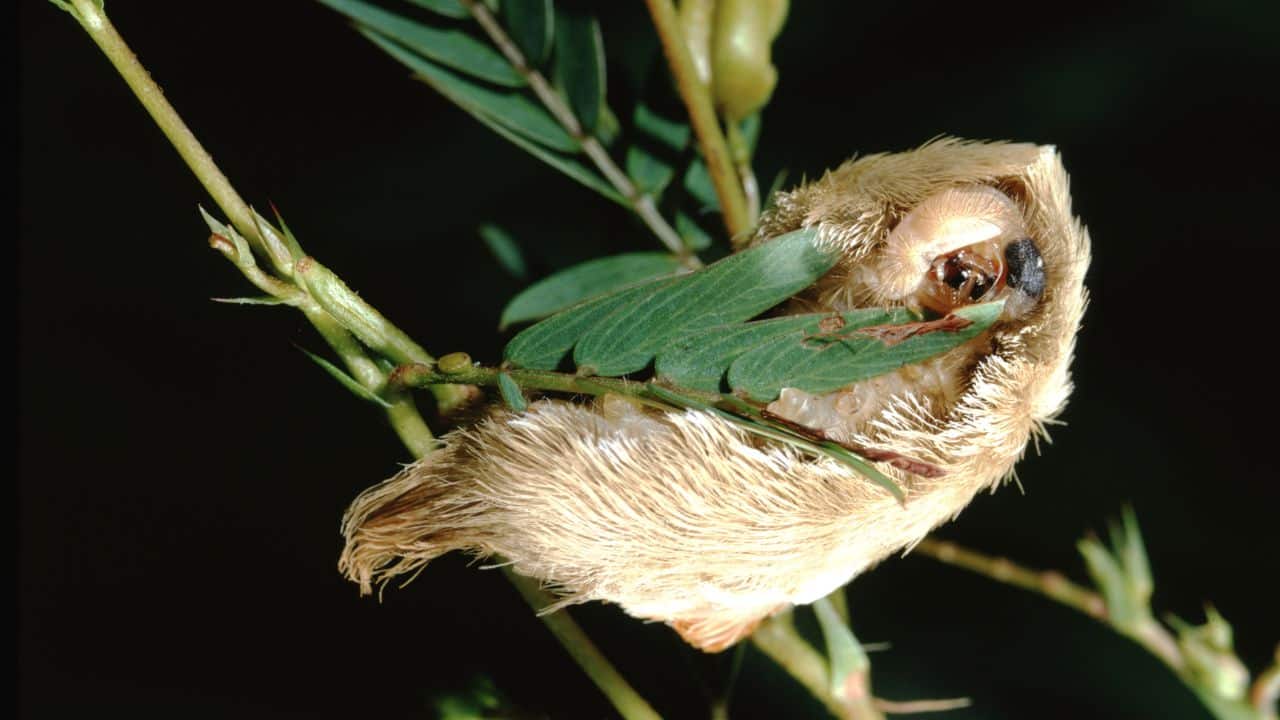 Researchers study these caterpillars to understand venom composition and defence. (Image: Canva)
Nature’s Lesson in Disguise
The flannel moth caterpillar reminds us that beauty can deceive easily. Its soft fur hides danger designed by millions of years. In nature, survival often depends on what lies beneath appearances.
Discover the latest Business News, Sensex, and Nifty updates. Obtain Personal Finance insights, tax queries, and expert opinions on Moneycontrol or download the Moneycontrol App to stay updated!
Find the best of Al News in one place, specially curated for you every weekend.
Stay on top of the latest tech trends and biggest startup news.