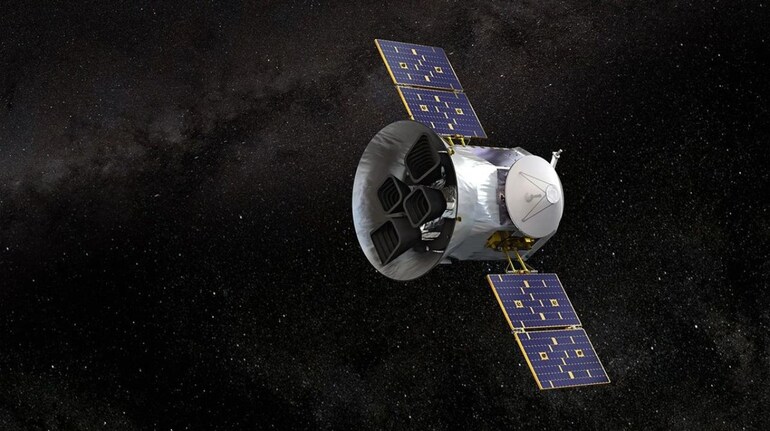

NASA’s AI, ExoMiner++, which previously validated 370 exoplanets, is now scanning data from the TESS space telescope for new worlds. On its initial run, the deep learning tool flagged around 7,000 potential exoplanet candidates, signals that may be planets but require follow-up observations to confirm. Thousands of possible exoplanets have been flagged already. This accelerates discoveries and expands our understanding of distant worlds.
What ExoMiner++ Does?
ExoMiner++ is NASA’s deep learning software designed to find exoplanets. It is more of AI. It analyses the light curves from TESS to detect the faint dips caused by planets passing in front of their stars. The AI separates real planet signals from false positives, like eclipsing binary stars. By automating this process, NASA can review thousands of potential candidates quickly and accurately.
How will ExoMiner++ Work?
ExoMiner++ uses machine learning trained on both Kepler and TESS datasets. It recognises patterns in brightness changes that indicate a transit event. The AI assigns a confidence score to each candidate. High-scoring signals are more likely to be genuine planets. This process drastically reduces manual analysis time for astronomers.
“When you have hundreds of thousands of signals, like in this case, it’s the ideal place to deploy these deep learning technologies,” said Miguel Martinho, a KBR employee at NASA Ames who serves as the co-investigator for ExoMiner++
Why ExoMiner++ Matters So Much?
Detecting exoplanets is challenging and time-consuming. Traditional methods require human inspection of vast amounts of data. ExoMiner++ accelerates discovery while maintaining accuracy. It enables NASA and global researchers to focus on follow-up observations. This helps identify potentially habitable worlds and planets with unusual characteristics. It represents a new era where AI and astronomy work hand in hand.
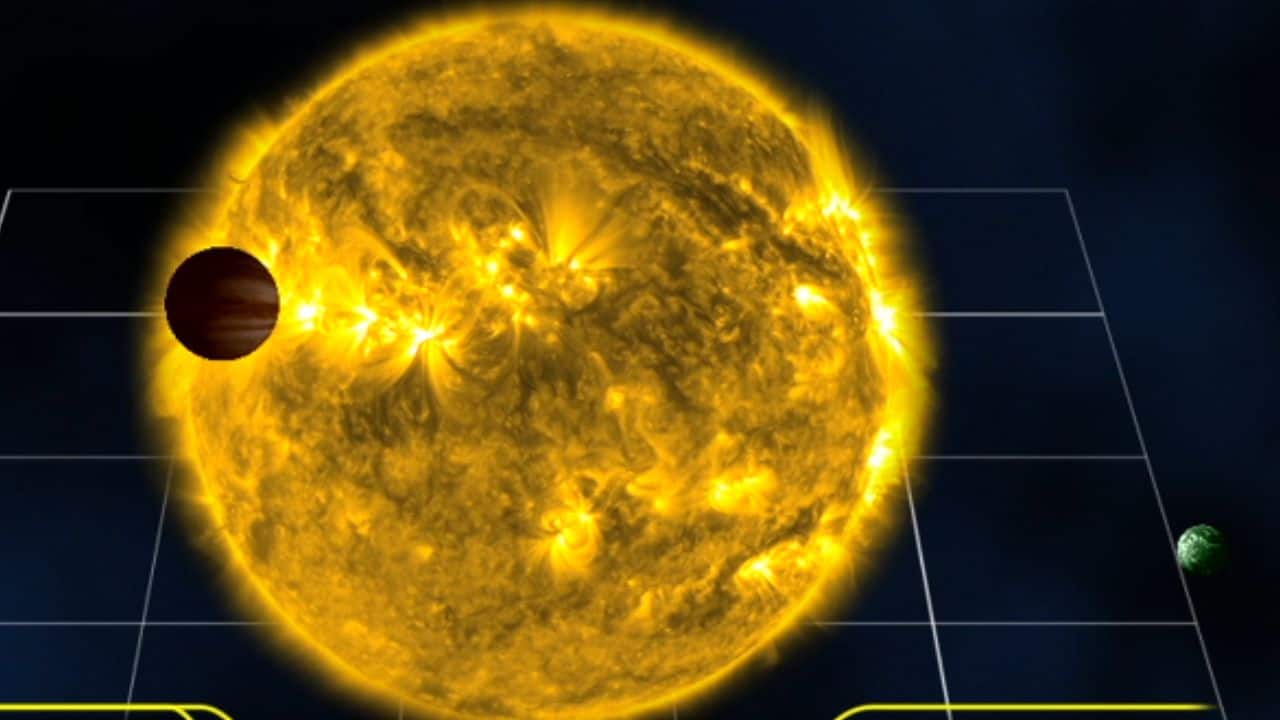 ExoMiner++ accelerates discovery while maintaining accuracy. (Image: NASA/Goddard Space Flight Center)
Previous Achievements of ExoMiner++
The first version of ExoMiner validated 370 exoplanets from Kepler data in 2021. It proved that deep learning could reliably detect planets in large datasets. The updated version now works with TESS data, expanding its reach across the sky. In its first run, ExoMiner++ flagged around 7,000 exoplanet candidates from TESS alone.
How NASA Sees This: Present and Future Plans?
NASA plans to continue improving ExoMiner++. Future versions may analyse raw telescope data directly. The AI approach could be applied to upcoming missions, including the Nancy Grace Roman Space Telescope.
NASA also encourages global researchers to use ExoMiner++, as the software is open-source on GitHub. This commitment to open science ensures discoveries are shared worldwide and accelerates humanity’s search for new worlds.
Discover the latest Business News, Sensex, and Nifty updates. Obtain Personal Finance insights, tax queries, and expert opinions on Moneycontrol or download the Moneycontrol App to stay updated!
Find the best of Al News in one place, specially curated for you every weekend.
Stay on top of the latest tech trends and biggest startup news.