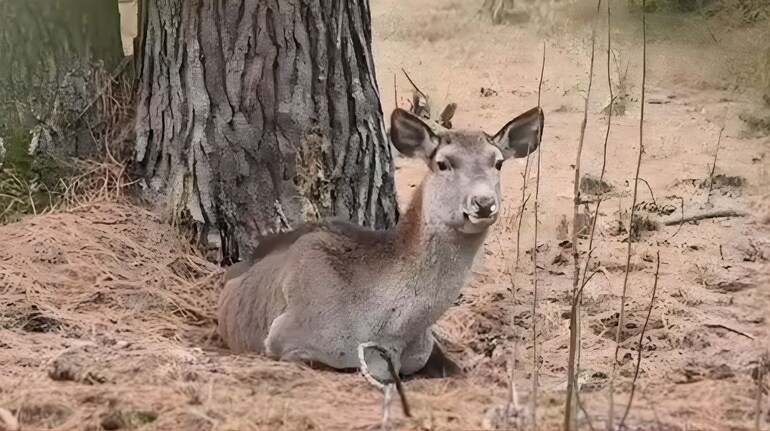

The critically endangered Hangul deer population has risen unexpectedly to 323. Scientists say this is the highest number recorded in decades. Once teetering on the brink of extinction, recovery is remarkable. Dachigam National Park remains their main home in Jammu and Kashmir. The deer’s comeback offers hope for other endangered species globally.
From Shadows to Spotlight: A Species Reemerges
For decades, Hangul numbers were dangerously low, barely surviving in forests. Poaching and habitat loss pushed the species close to extinction. In the 1970s, fewer than 100 individuals were left alive. Now, careful conservation work has sparked a surprising resurgence in numbers. Even scientists are amazed at how quickly the population is recovering.
Secret Guardians of the Forest
Conservationists, forest officials and local communities protect the deer silently. Tral breeding centre breeds Hangul for eventual reintroduction into the wild. Anti-poaching teams patrol remote forests to ensure deer remain safe. Villagers report sightings, helping monitor numbers in rugged, hard-to-reach areas. Each Hangul tracked contributes vital data for future conservation decisions.
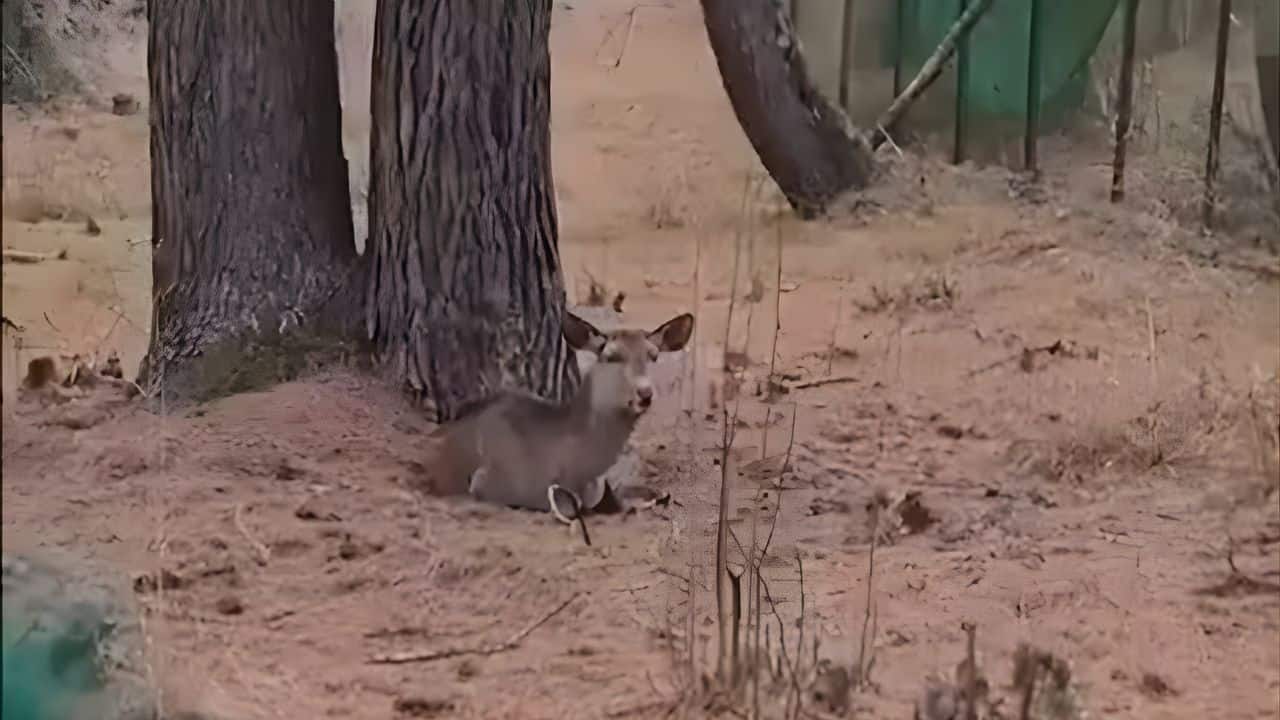 Each Hangul tracked contributes vital data. (Image: X/@GreaterKashmir)
How the Numbers Tell a Story?
In 2017, only 214 Hangul were officially recorded in Kashmir. By 2021, numbers had climbed to 261, signalling early recovery signs. In 2023, Hanguls were counted upto 289, showing the upward trend continuing steadily. The latest census confirms 323 individuals thriving across the protected regions. Growth demonstrates that well-coordinated conservation can deliver real, measurable results.
Why the Hangul Is More Than Just a Deer?
Hangul are unique red deer, unlike any others in India. Their grazing shapes forests and maintains delicate ecological balance naturally. Predators rely on Hangul as a crucial part of the food chain. The deer’s health reflects the health of Kashmir’s fragile ecosystems. Their survival story is a rare win in modern wildlife conservation.
The People Behind the Recovery
Jammu and Kashmir Wildlife Board leads strategic population protection plans. Scientists monitor genetics to prevent inbreeding and ensure healthy populations. Funding and technical help comes from Indian and international organisations. Communities play a critical role, reporting threats and safeguarding habitats. Collaboration between humans and wildlife experts fuels this remarkable success.
Here is a good news.The population of Hangul has risen to 323 as per the census of 2025 done in J&K. This critically endangered deer species of India is confined to J&K and Chamba in HP. The best place to see them is Dachigam National Park in Kashmir. PC:Net #UPSCpic.twitter.com/iCuzfZXBsV — Ramesh Pandey (@rameshpandeyifs) January 11, 2026
A Beacon of Hope for Wildlife
The Hangul’s population rise surprises experts and inspires global conservationists. It proves that long-term protection and patience can reverse declines. Climate change and habitat pressure remain potential challenges to watch closely.
Ongoing vigilance will ensure the species continues to thrive naturally. This remarkable comeback reminds humanity that wildlife recovery is truly possible.
Discover the latest Business News, Sensex, and Nifty updates. Obtain Personal Finance insights, tax queries, and expert opinions on Moneycontrol or download the Moneycontrol App to stay updated!
Find the best of Al News in one place, specially curated for you every weekend.
Stay on top of the latest tech trends and biggest startup news.