






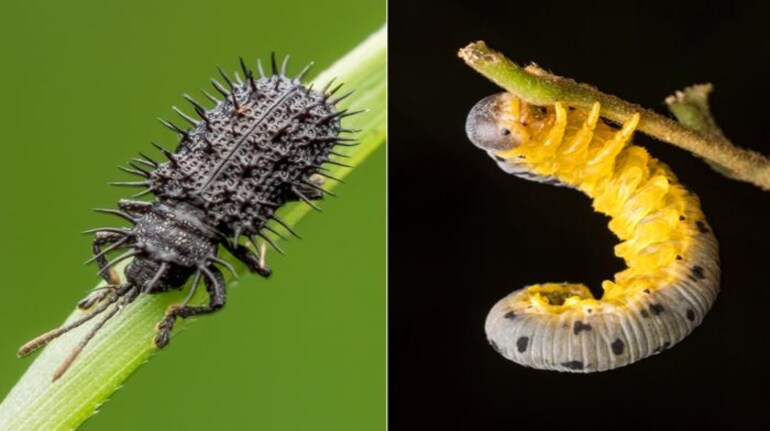
They are tiny, tireless, and often overlooked — but insects, spiders, and their arthropod relatives are vital to life on Earth. These creatures form the beating heart of ecosystems, responsible for pollination, decomposition, and feeding countless larger animals.
Now, in a sobering study published in Nature, scientists have confirmed what many ecologists feared: even untouched tropical rainforests — long considered refuges of biodiversity — are showing steep declines in arthropod populations. And the culprit? Not logging or pesticides, but the growing fury of El Niño, intensified by climate change.
“We were shocked,” said Dr. Adam Sharp of the University of Hong Kong, lead author of the study. “We expected some stability in these pristine forests, but the data revealed consistent and widespread losses in insect diversity and function.”
A Whole-Tropics Wake-Up Call
The international team, including Professors Roger Kitching and Nigel Stork from Griffith University in Australia, pooled data from over 80 previous studies spanning tropical forests across South America, Africa, Asia, and the Pacific. All study sites were classified as undisturbed — meaning no commercial logging, agriculture, or human interference.
Yet even in these seemingly untouched habitats, the team found severe declines in butterflies, beetles, spiders, and other arthropods. These declines were tightly linked to drops in their ecological roles — such as leaf consumption and decomposition, two core processes that keep ecosystems functioning.
Climate, Not Chainsaws, Is the New Threat
Unlike most biodiversity loss stories, this one couldn’t be blamed on habitat destruction. Instead, the researchers turned their attention to ENSO (El Niño Southern Oscillation) — the natural climate cycle that seesaws between El Niño (hot and dry) and La Niña (cool and wet) events.
“El Niño has always been part of tropical life,” explained Dr. Mike Boyle, corresponding author. “But climate change is making El Niño events more frequent and extreme — and that’s disrupting the balance.”
Many arthropod species are sensitive to these fluctuations, with some thriving during La Niña and others during El Niño. Under normal conditions, this ebb and flow maintains diversity. But as El Niño becomes dominant, species that prefer La Niña conditions are being pushed out — potentially forever.
The team’s data showed the most significant declines in arthropods that depend on wetter La Niña conditions — a warning sign that climate-induced imbalances are tipping delicate ecosystems past a point of recovery.
Why It Matters — For All of Us
“Arthropods aren’t just bugs in the background,” said Associate Professor Louise Ashton of the University of Hong Kong. “They’re the engineers of the natural world — responsible for breaking down dead matter, pollinating plants, and keeping the entire food web running.”
Losing them doesn’t just mean fewer butterflies in the forest. It means degraded soils, fewer plants, and entire ecosystems unraveling.
Professor Roger Kitching emphasized the urgency for action closer to home:
“The message for Australia and the rest of the world is simple: we must start monitoring our rainforests more closely. Revisiting and repeating past surveys is vital to track changes and prepare for what’s coming.”
What’s Next?
The research team is continuing long-term monitoring at forest sites across Hong Kong, Mainland China, Australia, and Malaysia, aiming to better understand how temperature shifts and climate extremes affect insect biodiversity.
Their work reinforces a stark message: Even the world’s last wild places aren’t safe from climate disruption. And when the tiniest members of an ecosystem disappear, the collapse may come sooner than expected.

Discover the latest Business News, Sensex, and Nifty updates. Obtain Personal Finance insights, tax queries, and expert opinions on Moneycontrol or download the Moneycontrol App to stay updated!
Find the best of Al News in one place, specially curated for you every weekend.
Stay on top of the latest tech trends and biggest startup news.




