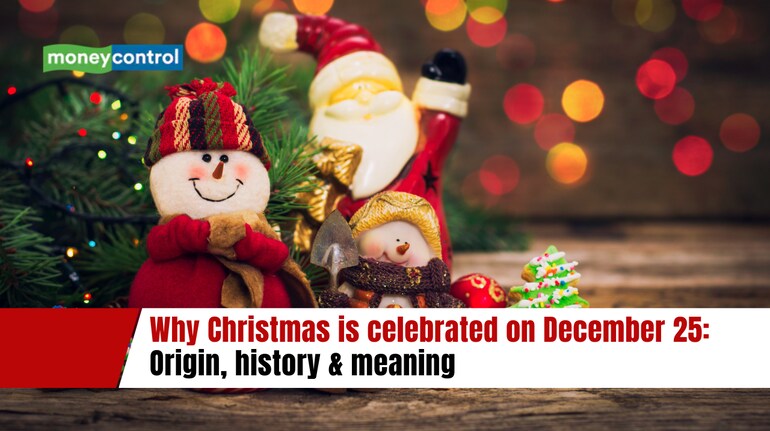
Christmas, celebrated on December 25, marks the birth of Jesus Christ and stands as one of the most important religious and cultural festivals in the world. Observed by billions across countries, Christmas blends faith, tradition, history and modern celebrations, making it a global holiday that goes beyond religious boundaries.
The celebration of Christmas on December 25 has deep historical roots. While the Bible does not mention an exact birth date for Jesus, early Christian leaders fixed December 25 in the fourth century. This date coincided with the winter solstice in the Roman Empire, symbolising light overcoming darkness, a theme closely aligned with Christian belief.
Biblical Account of the Nativity of JesusAccording to the New Testament, Jesus was born in Bethlehem to the Virgin Mary. Due to a lack of lodging, Mary and Joseph took shelter in a stable, where Jesus was laid in a manger. Angels announced the birth to shepherds, who spread the message, while wise men later followed a star to honour the newborn child with gifts. This Nativity story remains central to Christmas celebrations worldwide.
Why December 25 Was ChosenIn the early fourth century, the Church officially designated December 25 as Christmas Day. The date is believed to be nine months after March 25, which was considered the day of the Annunciation. Many scholars also link it to Roman festivals such as Dies Natalis Solis Invicti, celebrating the “Invincible Sun,” allowing Christianity to align with existing traditions while offering new spiritual meaning.
While most Christians follow the Gregorian calendar and celebrate Christmas on December 25, some Eastern Christian churches observe it on January 7, following the Julian calendar. For believers, the spiritual meaning of Christ’s birth holds greater importance than the exact date.
Evolution of Christmas Through HistoryIn the early centuries, Christmas was not universally celebrated. Over time, especially during the medieval period, it gained prominence alongside church rituals, Advent fasting, and Christmastide, the twelve-day festive season. By the Middle Ages, Christmas became a major public celebration marked by feasts, music, charity and community gatherings.
The holiday faced opposition during the Protestant Reformation and was even banned in places like England and colonial America for a time. However, Christmas was restored and gradually transformed into a family-focused festival.
Modern Christmas and Cultural TraditionsBy the 19th century, Christmas saw a revival through literature and social reform. Works like A Christmas Carol by Charles Dickens reshaped Christmas as a celebration of kindness, generosity, and family values. Traditions such as Christmas trees, greeting cards, carols, and gift-giving became widespread.
Today, Christmas customs include decorating trees, attending church services, exchanging gifts, enjoying festive meals, and celebrating with figures like Santa Claus, Father Christmas, or Saint Nicholas. While deeply rooted in Christianity, Christmas is also celebrated culturally by people of many faiths.
Meaning of Christmas in Today’s WorldAt its core, Christmas celebrates the belief that God came into the world in human form to bring hope, forgiveness, and salvation. Over time, it has also become a symbol of peace, compassion, and shared humanity. Despite its commercial growth, the spiritual message of love and goodwill continues to define the essence of Christmas.
Discover the latest Business News, Sensex, and Nifty updates. Obtain Personal Finance insights, tax queries, and expert opinions on Moneycontrol or download the Moneycontrol App to stay updated!
Find the best of Al News in one place, specially curated for you every weekend.
Stay on top of the latest tech trends and biggest startup news.