




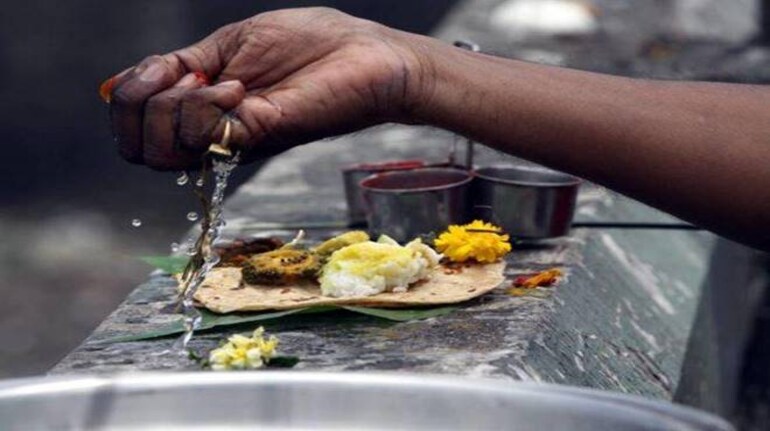
Amavasai 2024 Date and Time: Amavasya, the new moon day, holds significant spiritual importance in Hinduism. In 2024, the Amavasya tithi in July will begin at 4:58 AM on July 5 and will conclude at 4:27 AM on July 6. This period is considered highly auspicious for performing the Amavasai Tharpanam ritual, a traditional practice to honor and pay respects to one's ancestors.
Auspicious Time for Amavasai Tharpanam in July 2024
The Amavasya tithi in July 2024 provides a 24-hour window for performing the Tharpanam ritual. The most auspicious time is during the Brahma Muhurta, which falls approximately two hours before sunrise, around 3:30 AM to 5:30 AM on July 5. Performing the ritual during this period is believed to yield the most beneficial results.
What is Amavasai Tharpanam?
Amavasai Tharpanam, also known as Amavasya Tarpana, is a ritual performed during the new moon day to express gratitude and seek blessings from one's forefathers. The term "Tharpanam" means offering or libation, which involves offering water mixed with sesame seeds, rice, and other sacred items. This ritual is believed to provide peace to the departed souls and bring prosperity and blessings to the living descendants.
Significance of Amavasai Tharpanam
1. Ancestral Blessings: Performing Tharpanam is said to invoke the blessings of ancestors, which is believed to help in overcoming obstacles and achieving success in various aspects of life.
2. Spiritual Cleansing: The ritual is considered a means of spiritual cleansing, helping individuals to get rid of negative karma and attain peace of mind.
3. Family Harmony: By honoring ancestors, it is believed that harmony and understanding within the family are enhanced.
4. Eternal Gratitude: It serves as a reminder of the eternal connection between the living and their ancestors, fostering a sense of gratitude and respect.
How to Perform Amavasai Tharpanam
1. Preparation: The ritual is usually performed near a water body or at home, where a clean space is prepared. The person performing the ritual should take a bath and wear clean clothes.
2. Offerings: A mixture of water, sesame seeds, and rice is prepared. Some also use kusa grass, darbha grass, and flowers.
3. Invocation: The ritual begins with the invocation of Lord Ganesha and the family deity to seek their blessings for a successful ceremony.
4. Offering: The offerings are made by chanting specific mantras and hymns, dedicating them to the ancestors. The offerings are usually poured onto the ground or into a flowing water body.
5. Conclusion: The ritual concludes with prayers for peace and prosperity for the family and the liberation of the souls of the ancestors.
Discover the latest Business News, Sensex, and Nifty updates. Obtain Personal Finance insights, tax queries, and expert opinions on Moneycontrol or download the Moneycontrol App to stay updated!
Find the best of Al News in one place, specially curated for you every weekend.
Stay on top of the latest tech trends and biggest startup news.