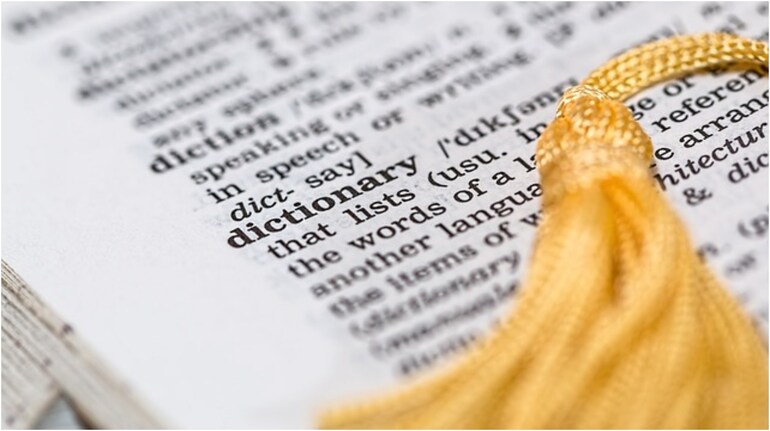
If you’ve ever felt “delulu” trying to decode Gen Z slang, you’re not alone—and now, even the Cambridge Dictionary is catching up. In a move that’s stirred both amusement and alarm online, the prestigious dictionary has added 6,000 new words and phrases, many of them born in the chaotic, meme-fuelled corners of TikTok, X, and YouTube.
Among the most talked-about additions are “skibidi”, “delulu”, and “tradwife”—terms that have ricocheted across social media and seeped into everyday speech, especially among Gen Z and Gen Alpha.
“Skibidi,” a term with no fixed meaning, originated from the surreal YouTube series Skibidi Toilet, where human heads pop out of toilets in a bizarre cartoon universe. Cambridge defines it as a word that can mean “cool,” “bad,” or nothing at all, often used for comedic effect. One X user summed up the confusion: “Cambridge lexicographers absolutely throwing in the towel when asked to define skibidi.”
Delulu with no solulu
“Delulu,” shorthand for delusional, began as a playful jab at obsessive K-pop fans but has since evolved into a broader critique of unrealistic beliefs. The term gained mainstream traction when Australian Prime Minister Anthony Albanese used it in Parliament, jokingly saying someone was “delulu with no solulu” after being dared by podcast hosts.
The tradwife aesthetic
“Tradwife,” short for traditional wife, refers to influencers who embrace conventional gender roles, often showcasing homemaking and family-centric lifestyles online. While some see it as a nostalgic return to domesticity, others critique it as regressive.
Lexicon meets TikTok
Cambridge University Press said the additions reflect how internet culture is reshaping language. Editors rely on the Cambridge English Corpus, a massive database of real-world usage, to determine which words are likely to stick.
“It’s not every day you get to see words like skibidi and delulu make their way into the Cambridge Dictionary,” said Colin McIntosh, Lexical Programme Manager. “Internet culture is changing the English language and the effect is fascinating to observe.”
Christian Ilbury, senior lecturer in sociolinguistics at the University of Edinburgh, told the Associated Press that many of the new words are tied to social media platforms like TikTok because that is how most young people communicate.
He added that some of the words, including “delulu,” have longer histories than people might think and have been used by speech communities for years. “It’s really just the increase in visibility and potential uptake amongst communities who may not have engaged with those words before,” Ilbury explained.
Mixed reactions online
The update has sparked lively debate. One TikTok user quipped, “English is no longer a language, it’s a TikTok comment section.” Another wrote, “I’m fine with language evolving, but do not add the gibberish word skibidi to the dictionary.”
Still, others embraced the moment with humour. “This is the reason why most of humanity is delulu,” one user joked.
Other new entries
Beyond slang, the dictionary now includes terms like “broligarchy” (wealthy male tech elites), “mouse jiggler” (a tool to fake computer activity), “work spouse”, “lewk” (a distinctive fashion look), and “inspo” (short for inspiration). Even familiar words like “snackable” have evolved, now describing short, digestible online content.
Discover the latest Business News, Sensex, and Nifty updates. Obtain Personal Finance insights, tax queries, and expert opinions on Moneycontrol or download the Moneycontrol App to stay updated!
Find the best of Al News in one place, specially curated for you every weekend.
Stay on top of the latest tech trends and biggest startup news.