






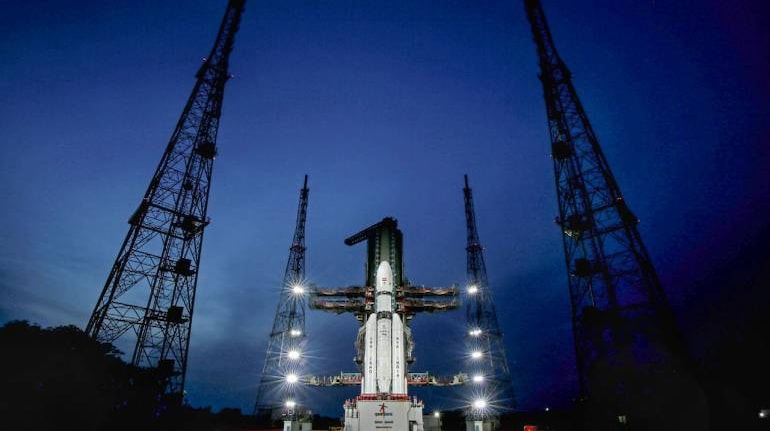
The propulsion module, responsible for taking the Vikram lander and the Pragyan rover to its destination, will not be retired after it has accomplished the task.
Once the lander successfully separates, the module will switch over to new objectives, including looking for signs of extraterrestrial life.
The module is kitted with an instrument called Spectro polarimetry of Habitable Planet Earth system aka SHAPE. While the module remains in the Moon's orbit, it will begin a series of investigations on the Earth's atmosphere, such as measuring the polarisation of light emanating from our home planet's clouds.
This data will be used to look for planetary signatures that closely match our planet's habitability for future relocation or even to show signs of extraterrestrial life outside our solar system.
If, because of an unavoidable calamity, humankind would need to abandon Earth in the future, this data could help locate planets that could potentially sustain human life. The propulsion module will also relay information from the Vikram lander and Pragyan rover back to Earth and vice-versa.
Learning from the mistakes of Chandrayaan-2, the module is more streamlined and carries only one scientific instrument on board, whereas its predecessor carried nine.


Discover the latest Business News, Sensex, and Nifty updates. Obtain Personal Finance insights, tax queries, and expert opinions on Moneycontrol or download the Moneycontrol App to stay updated!
Find the best of Al News in one place, specially curated for you every weekend.
Stay on top of the latest tech trends and biggest startup news.





