Top 3 stories
RBI recognises FACE as SRO for fintech
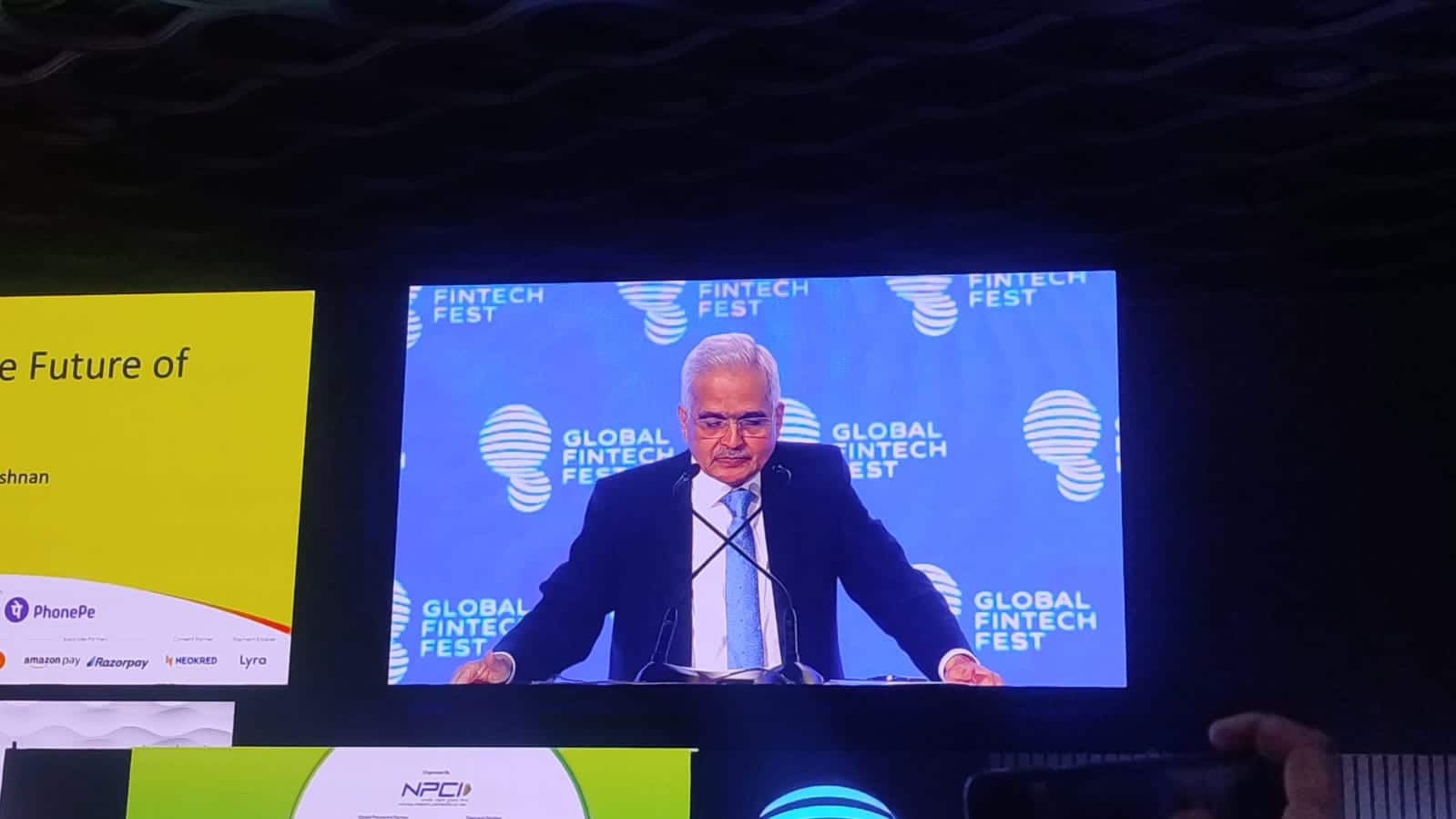
In a much-awaited move, the Reserve Bank of India (RBI) governor Shaktikanta Das has announced the approval of FACE (Fintech Association for Consumer Empowerment) as the first self-regulatory organisation for Fintechs (SRO-FT).
- The body will work with fintech entrepreneurs to ensure that the companies follow regulations in the letter and spirit of RBI’s guidelines for the digital delivery of financial services
Tell me more
The RBI returned one application for SRO-FT body, while another one – Digital Lenders Association of India (DLAI) is still under consideration.
- SRO-FT is a major initiative by the RBI to work more closely with fintechs after several of the regulator’s guidelines disrupted fintech business models
- In cases of doubt, the body will work closely with the RBI to determine if a new fintech business model contravenes the regulator’s unspecified rules
More announcements
Another key focus area for the RBI governor is international cooperation and integration in cross-border payments.
- The central bank is actively working to expand the reach of UPI and Rupay through international partnerships
In addition, the RBI is exploring the development of new Digital Public Infrastructure (DPI) to support the implementation of artificial intelligence (AI) in financial services.
Find out more
PhonePe rules out IPO until UPI market share clarity
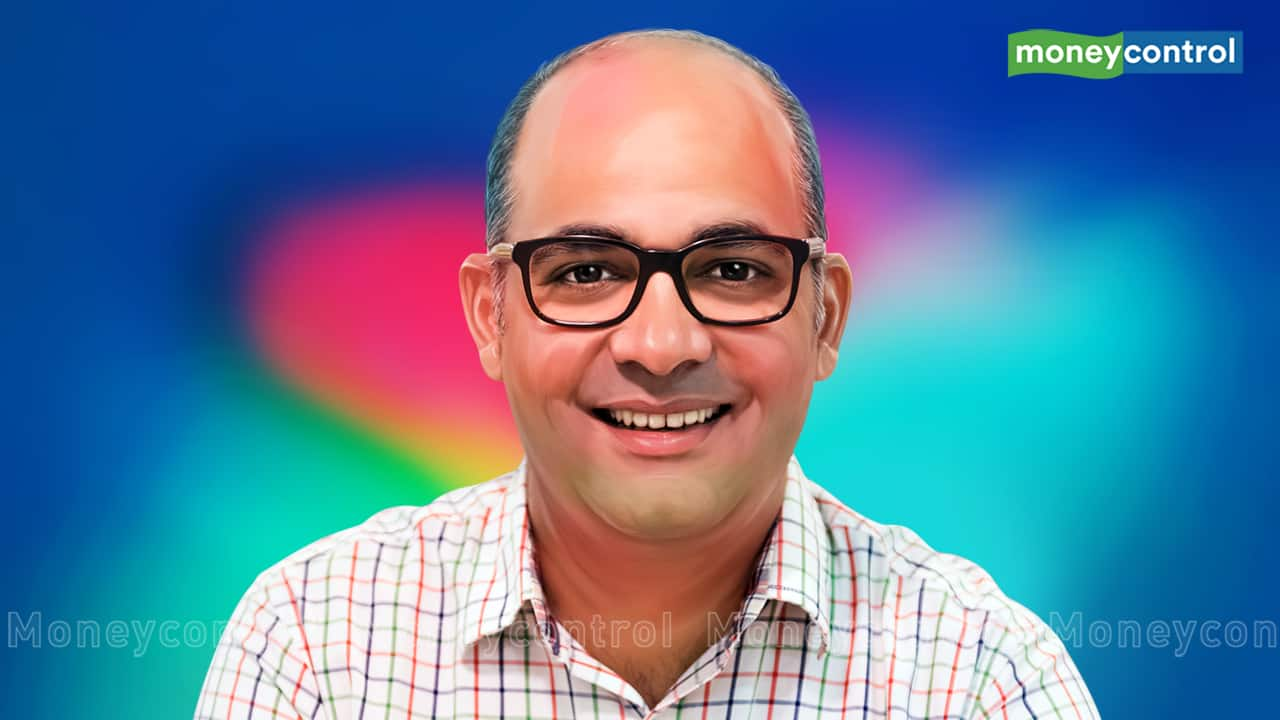
PhonePe is facing a significant obstacle on its path to going public!
Driving the news
Global expansion
Looking beyond domestic challenges, Nigam remains optimistic about PhonePe’s global expansion.
- He revealed plans to enter markets in Europe and the Middle East and noted the support from global investors
Future of fintech
Govt assesses quick commerce's kirana toll

Quick commerce vs kiranas is no longer just a topic for discussion; it has become an issue that the government is now actively looking into.
Driving the news
Several ministries are looking into the rapid growth of quick commerce and its potential impact on kiranas (mom-and-pop) stores, a government source told us.
“More than one ministry to look into this given the subject -- commerce, consumer affairs, etc…The issue is being seen at a bureaucratic level for now and is at an initial stage,” the person added.
The move is not a surprise. Commerce Minister Piyush Goyal recently said the rapid growth of e-commerce in the last 10 years is a matter of concern, so some action was expected.
- If the government decides to go after quick commerce, it can pick on the foreign direct investment (FDI) loophole they’re exploiting
- That will cause an existential crisis for companies, an industry executive told us
Is it warranted?
While kirana shop owners are a large vote bank for the government and can nudge for some intervention, stakeholders of the rapid delivery ecosystem said any involvement is unwarranted.
“When automobiles came, we did not continue to hold on to bullock carts. When mobiles came, we did not say mobiles will not be allowed because PCO operators have to keep their jobs. India cannot be exporting DPI (digital public infrastructure) to the world but at home say we will use birds for communicating,” an industry participant told us.
Kiranas don’t need protection, they need reskilling, the person added.
Dig deeper
MC Special: BGMI stars match IITian paychecks
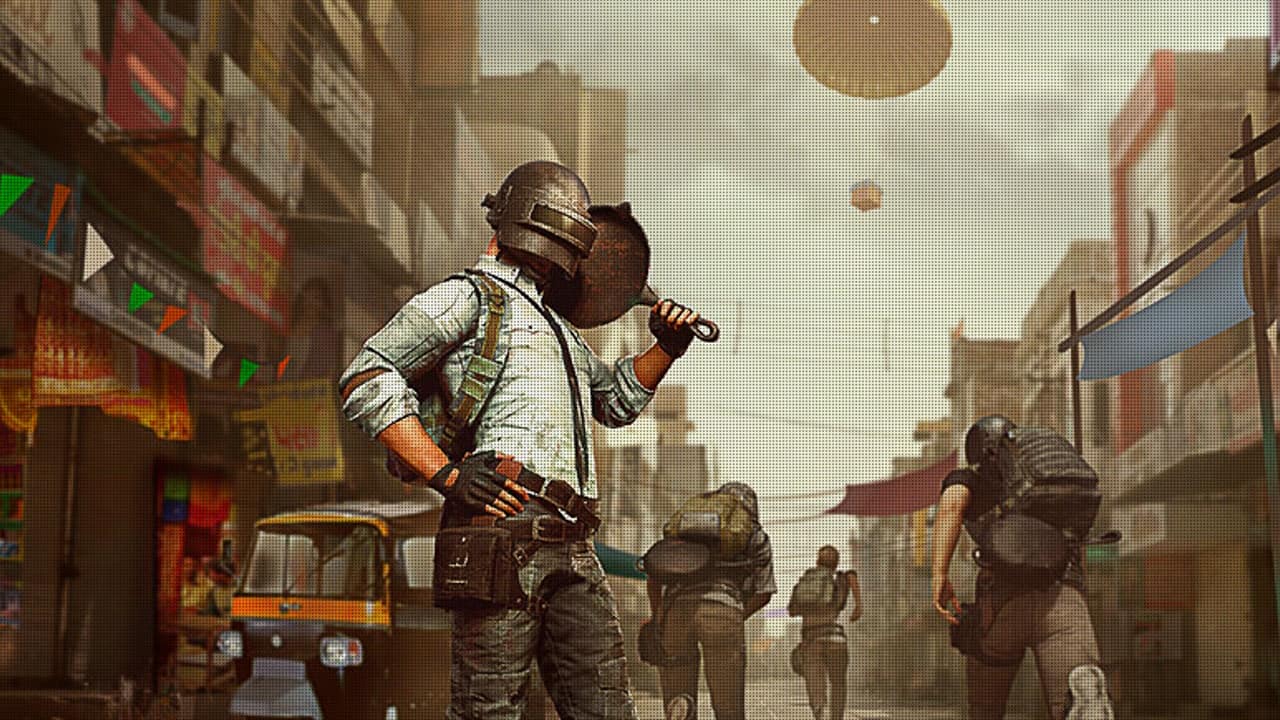
Playing video games can lead to substantial pay packages for Indians, rivaling the salaries of engineers graduating from top institutes like IIT.
- Top BGMI players earn between Rs 2.5 lakh to Rs 4 lakh a month
Skilled esports players earn between Rs 15 lakh and Rs 30 lakh annually, which matches the average annual salary of Rs 10 lakh to Rs 25 lakh offered to IIT graduates.
- Esports salaries have increased by 50-100% over the past 1-2 years, thanks to larger prize pools and improved sponsorship deals. Find out more



 PREVIOUS
 QUICK HITS
 GLOBAL PICKS