One quick thing: Centre directs phone makers to preinstall Sanchar Saathi cybersecurity app on all devices
In today’s newsletter:
- Myntra adds Malaysia, UAE and Australia to cart
- LTIMindtree suspends H-1B visa filings
- Skyroot flags rocket supply shortage
P.S.: Tune into Tech3 Podcast, your daily dose of tech and startup insights. Monday to Friday! Check it out on Spotify or Apple Podcasts. And don’t forget to sign up to The AI Edge, our weekly newsletter on all things artificial intelligence.
Was this newsletter forwarded to you? You can sign up for Tech3 here
 Top 3 stories
Myntra adds Malaysia, UAE and Australia to cart
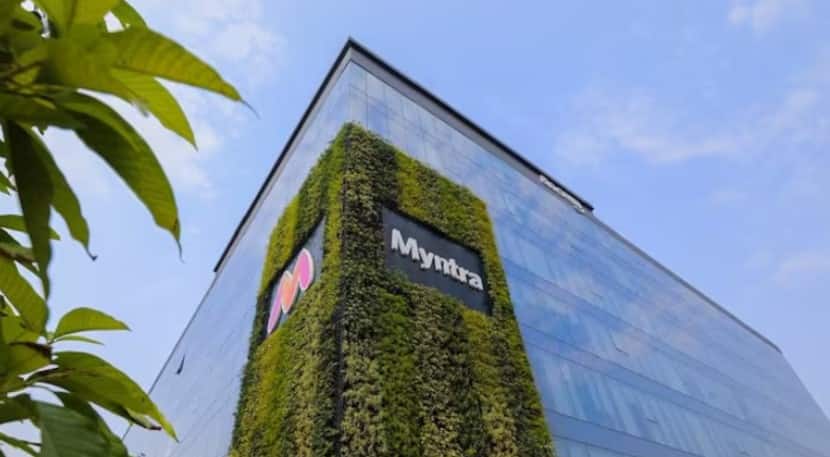
Myntra’s doing what most fashion brands eventually do – going from local chic to global couture.
Unpacking the details
Walmart-owned e-commerce company, Myntra, is set to expand its global footprint by entering Malaysia, the United Arab Emirates (UAE) and Australia in the coming months, sources told us.
- This comes months after we first reported that Myntra, one of the largest fashion e-commerce platforms in India, is launching in Singapore to kick off its international ambitions
- CEO Nandita Sinha had earlier said Singapore was a compelling market to enter. Myntra sees over 30,000 customer visits from Singapore each month
After Singapore, Malaysia is the most attractive market for Myntra.
“Myntra has already received approvals from Walmart to launch in Malaysia,” a source said. Malaysia will launch sooner and the other two regions are still a few months out, the person added.
Second time lucky
Once live, it will be Myntra’s second stint in the Middle East.
This time, it is not a mere partnership – it will be a full-blown entry.
Lenskart eyes Singapore
It’s not just Myntra which is enticed by the opportunity in Singapore. Lenskart, the recently listed eyewear company, is bullish on the region, too.
- It is gaining market share by pricing its products about a tenth lower than other players and offering two-hour deliveries
LTIMindtree suspends H-1B visa filings
When a visa shock becomes a strategy shift.
Driving the news
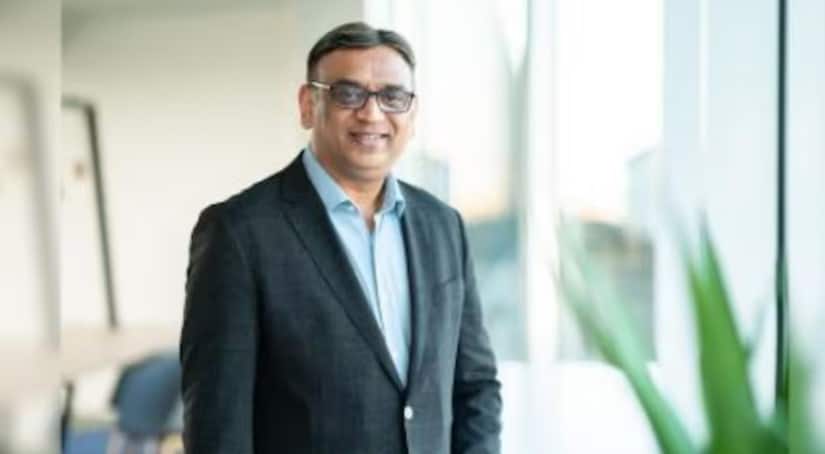
LTIMindtree will stop filing fresh H-1B visa applications in the next US cycle, with CEO Venu Lambu saying the company will rely on local hiring instead of paying the sharply increased $100,000 petition fee introduced under the Trump administration.
- Lambu told us the company will not apply for any new H-1B petitions unless there is a strong business case to justify the cost
- Renewals will continue since the fee hike applies only to new filings
The company already has 1,807 H-1B approvals in FY2025 as of June 30 and about 4,000 employees in the US.
Tell me more
He said the onsite delivery model will not be disrupted because LTIMindtree has spent years reducing visa dependence and building a strong local hiring engine.
- If clients seek more onsite presence, LTIMindtree will use its existing US workforce and continue hiring locally
Lambu also linked the shift to the company’s nonlinear growth approach.
What’s the big deal
LTIMindtree added $64 million in incremental revenue in the first half, even as experienced headcount fell.
- Most additions now come from freshers
Over the next five years, the company expects revenue to double while headcount grows only 1.2 to 1.3 times current levels, driven by AI-led productivity gains, GCC-as-a-service and onshore hiring.
Dig deeper
Sponsored Insight
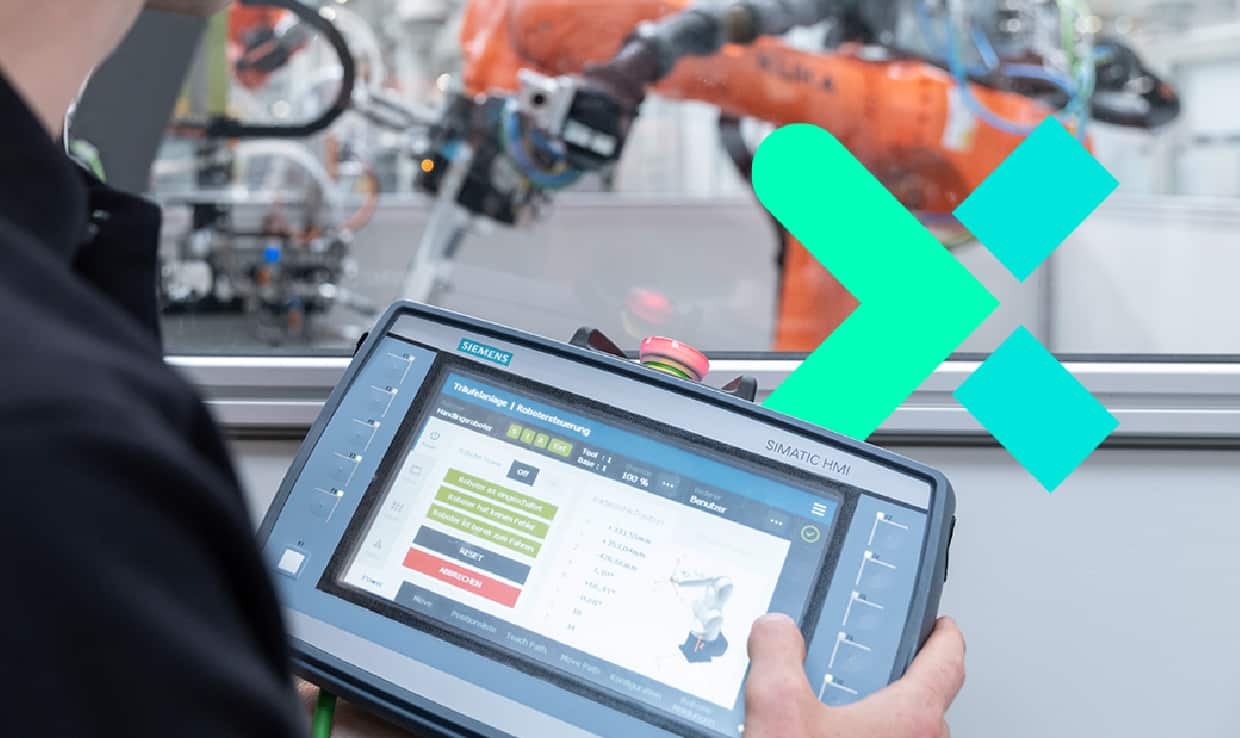
Cybersecurity Where It Counts: On the Factory Floor
Industrial systems weren’t designed for today’s cyber threats. Siemens is changing that with OT Cybersecurity powered by Siemens Xcelerator and aligned with IEC 62443 standard. These solutions protect physical operations - detecting, defending, and adapting in real time. For industries going digital, it’s not just about compliance, it’s about resilience and trust. Explore how
Skyroot flags rocket supply shortage
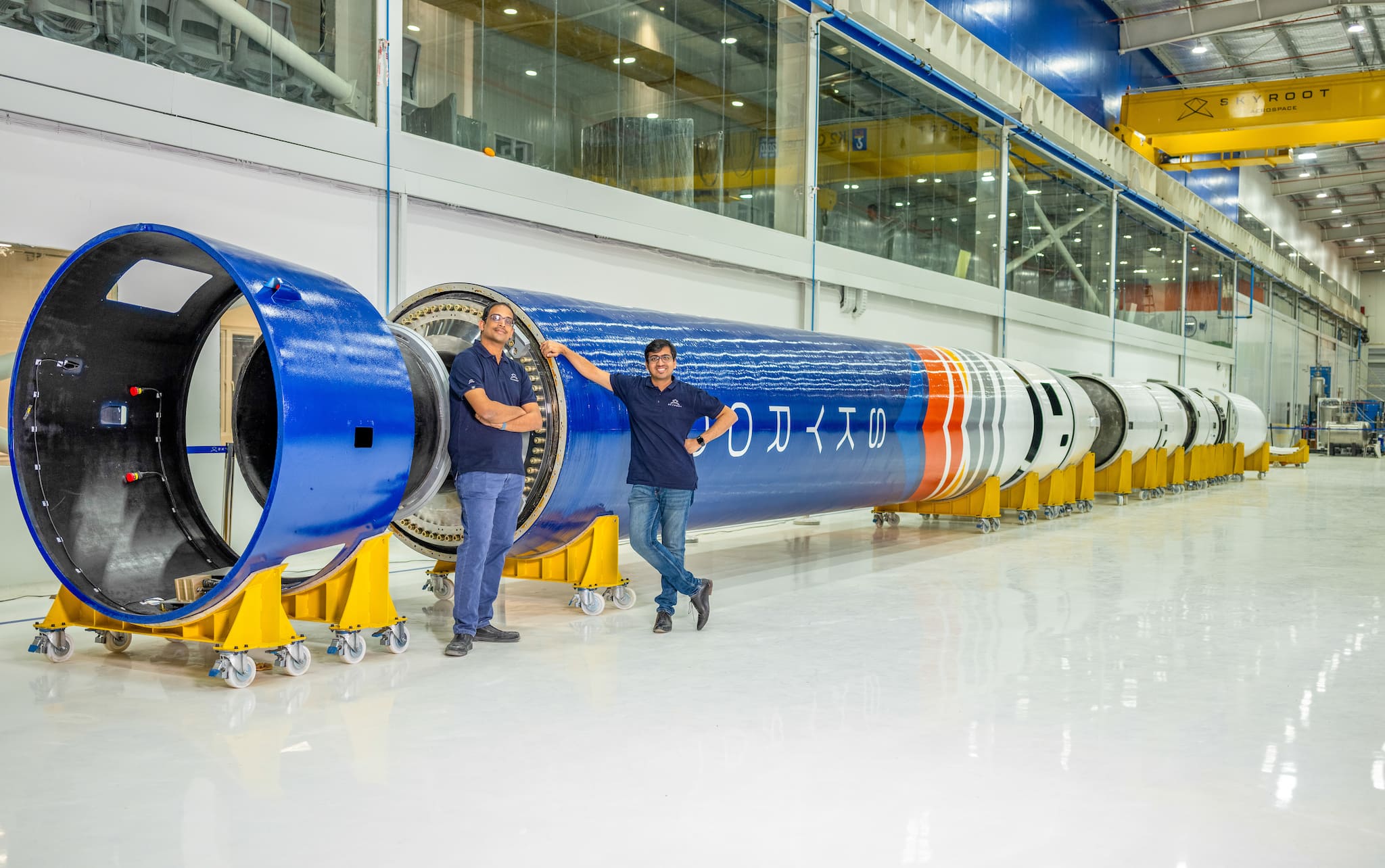
Skyroot Aerospace is not just aiming for orbit, but it is also aiming for a slice of the underserved small-rocket market.
Driving the news
Skyroot CEO Pawan Kumar Chandana says the global demand for dedicated small-satellite launches exceeds supply, with customers increasingly avoiding larger rockets because they need precise, custom deliveries for their payloads.
“There is a rising requirement globally for dedicated launches… That makes this segment very underserved today,” he told us.
Why dedicated launches
Chandana says customers prefer smaller launchers when mission needs are too specific.
“There are hardly any players serving dedicated launch needs — Rocket Lab is the only one doing this consistently,” Chandana said.
However, the number of missions Skyroot can take on each year will depend on pricing and production.
Inside Skyroot’s new manufacturing campus
The company’s new 200,000 sq. ft Infinity facility, inaugurated recently by the Prime Minister, is now fully operational and built to scale both Vikram-1 and Vikram-2. Key components include:
- Separation-test infrastructure
- Liquid-engine testing systems (excluding hot-fire)
- Carbon-composite winding lines
- Precision machining units
Vikram-1 in the final stretch
All engine tests for Vikram-1 are complete and the vehicle is undergoing final vibration tests, section-level checks, Chandana said.
- Skyroot is targeting a launch early next quarter, marking its first orbital mission after the 2022 Vikram-S suborbital flight
Crucially, the first commercial mission is already fully booked.
Find out more
MC Special: Influencers thrown for a loop over AI labelling guidelines

Artificial Intelligence (AI) labels are tripping up influencers and compliance is still playing hard to get.
- For bite-sized 8–10 second content, a 10% AI label, even for a moment, can hijack the frame and break the flow, say creators
Brands are not better off with the new mandate, as it has slowed down AI-led marketing activities. Marketing campaigns went multilingual thanks to AI, but brands have cut down the language versions of their campaigns due to the new rule.
- More work, more delays, and no clear rulebook---- many influencers are yet to subscribe to the AI labelling rule.
Dig deeper



 PREVIOUS

 QUICK HITS
 GLOBAL PICKS