One quick thing: Amazon cuts seller fees to boost growth
In today’s newsletter:
- Meesho adds banks to cart for $1bn IPO
- Govt looks to drop equalisation levy on digital ads
- Dhoni IPL merchandise flies off the shelves
P.S.: Introducing the Tech3 Podcast, your daily dose of tech and startup insights. Monday to Friday! Check it out on Spotify or Apple Podcasts
Was this newsletter forwarded to you? You can sign up for Tech3 here
 Top 3 stories
Meesho adds banks to cart for $1bn IPO
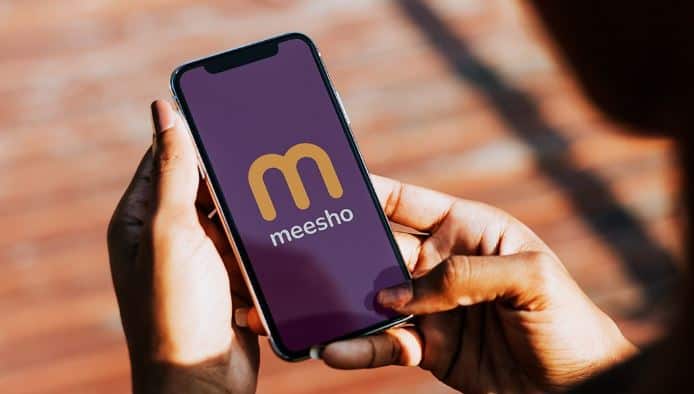
After delivering packages for over eight years, Meesho is now gearing up to deliver something bigger—an IPO.
Driving the news
The homegrown e-commerce platform is planning to go public later this year, around Diwali.
The company is seeking a valuation of $10 billion—a 2.5X jump from its $3.9 billion valuation last year.
Banking on big names
Meesho has tapped Morgan Stanley, Citi, and Kotak Mahindra Capital as its IPO advisers.
- JPMorgan may also join the syndicate if ongoing discussions materialise
Timing the IPO
Meesho, an e-commerce company founded in 2015, going public ahead of its arch-rival Walmart-owned Flipkart, which was founded in 2007, is a redemption in some way.
The valuation game
Meesho commanding a valuation significantly higher than its previous private market fundraise is not new.
- PhysicsWallah (PW), Ather and Lenskart are a few other companies commanding a significantly higher valuation
- On the other hand, Ola Electric, MobiKwik and Firstcry are a few others which raised money at a lower valuation from earlier to leave value for incoming investors
Dive deeper
Govt looks to drop equalisation levy on digital ads
India is proposing a key change to its digital taxation policy, a long-standing demand from tech giants, just ahead of the April 2 deadline set by the US President Donald Trump for imposing reciprocal tariffs.
What's happening?
The Finance Bill 2025-26 proposes eliminating the 6% Equalisation Levy on online advertising services, effective April 1, 2025.
- This move is expected to greatly benefit tech giants such as Google, Meta, and Amazon, as it will likely lower their compliance costs
Catch up quick
India introduced the equalisation levy in 2016 to tax profits generated by non-resident digital companies providing services to Indian firms.
- The move was designed to ensure a level playing field for local digital businesses that were subject to income tax on providing such services in the country
India initially charged a 6% levy on digital services like online advertising, applying to transactions over Rs 100,000 from Indian residents or non-residents with a local presence.
- In 2020, the government expanded its scope to include a 2% levy on e-commerce operators providing services to Indian users. However, this levy was later removed in the July 2024 Budget
Earlier, India had agreed to phase out the levy once the OECD’s ‘Pillar One’ framework is implemented, following global tax negotiations.
India-US trade talks
The development comes amid broader India-US trade talks that have been ongoing for a while. US trade officials are visiting India from March 25 to 29 for discussions with their Indian counterparts.
- Earlier this month, the Union Commerce Minister Piyush Goyal visited the United States to discuss a "mutually beneficial bilateral trade agreement" with US Trade Representative Jamieson Greer
Dhoni IPL merchandise flies off the shelves
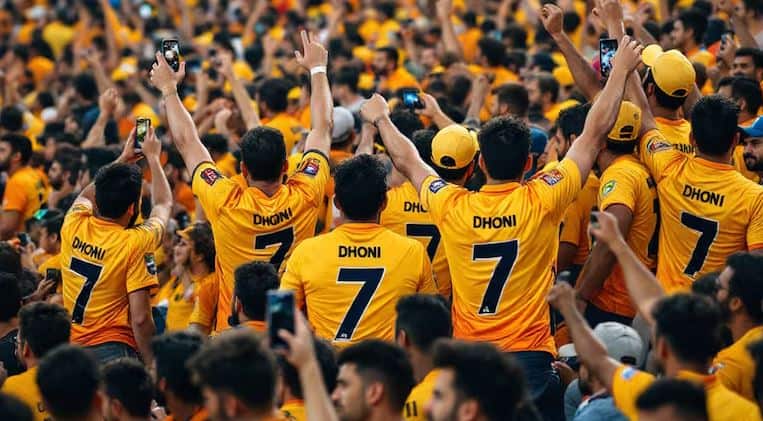
If the IPL had an official colour, it’d be CSK yellow.
Driving the news
With the 18th edition of the Indian Premier League underway, the fandom is visible in stadiums and elsewhere with fans sporting their favourite player jerseys.
- Dhoni’s No. 7 is the MVP of IPL merch, with Chennai fans leading the shopping spree
Over 50% of IPL merchandise sales come from CSK, according to the co-founder of playR, the official merchandise partner of CSK.
Tell me more
Not just in India, there is demand for IPL merchandise in the UK, US, and South Africa.
- Also this year, brands are dropping quirky designs, limited-edition drops, and even exploring regional-language personalisations
Jerseys are fan favourites, mostly sold out on match days.
IPL fandom
Along with official jerseys, mugs, keychains and water bottles were the three most popular accessories last season.
- One Delhi fan had spent Rs 30,000 on IPL gear last year
Dream Sports' FC Shop, selling merchandise of all 10 teams, has recorded a two-fold growth year-on-year in IPL fan gear sales.
Read to know more
MC Special: Back to basics for fintech lenders
The era of instant, no-paperwork loans is shifting as fintech lenders reconsider risk.
With regulatory pressure mounting on unsecured loans and fundraising becoming more challenging, players like Kissht, Fibe, Indifi, KreditBee, and Moneyview are exploring secured lending—offering Loans Against Property (LAP), solar financing, and Loans Against Mutual Funds (LAMF).
However, secured loans aren’t a quick plug-and-play solution; they require property assessments, legal approvals, and on-ground execution.
- To stand out, many lenders are betting on AI/ML for property valuations, faster turnaround times, and targeting existing customers. But can they truly create a competitive edge?
Find out more



 PREVIOUS
 QUICK HITS
 GLOBAL PICKS


