Just in: Paytm CEO Vijay Shekhar Sharma surrenders 2.1 crore ESOPs
One quick thing: Zepto renames parent company ahead of IPO
In today’s newsletter:
- BluSmart reels under Gensol crisis
- Wipro guidance disappoints
- The chink in NPCI that brought down UPI
P.S.: Introducing the Tech3 Podcast, your daily dose of tech and startup insights. Monday to Friday! Check it out on Spotify or Apple Podcasts
Was this newsletter forwarded to you? You can sign up for Tech3 here
 Top 3 stories
BluSmart reels under Gensol crisis
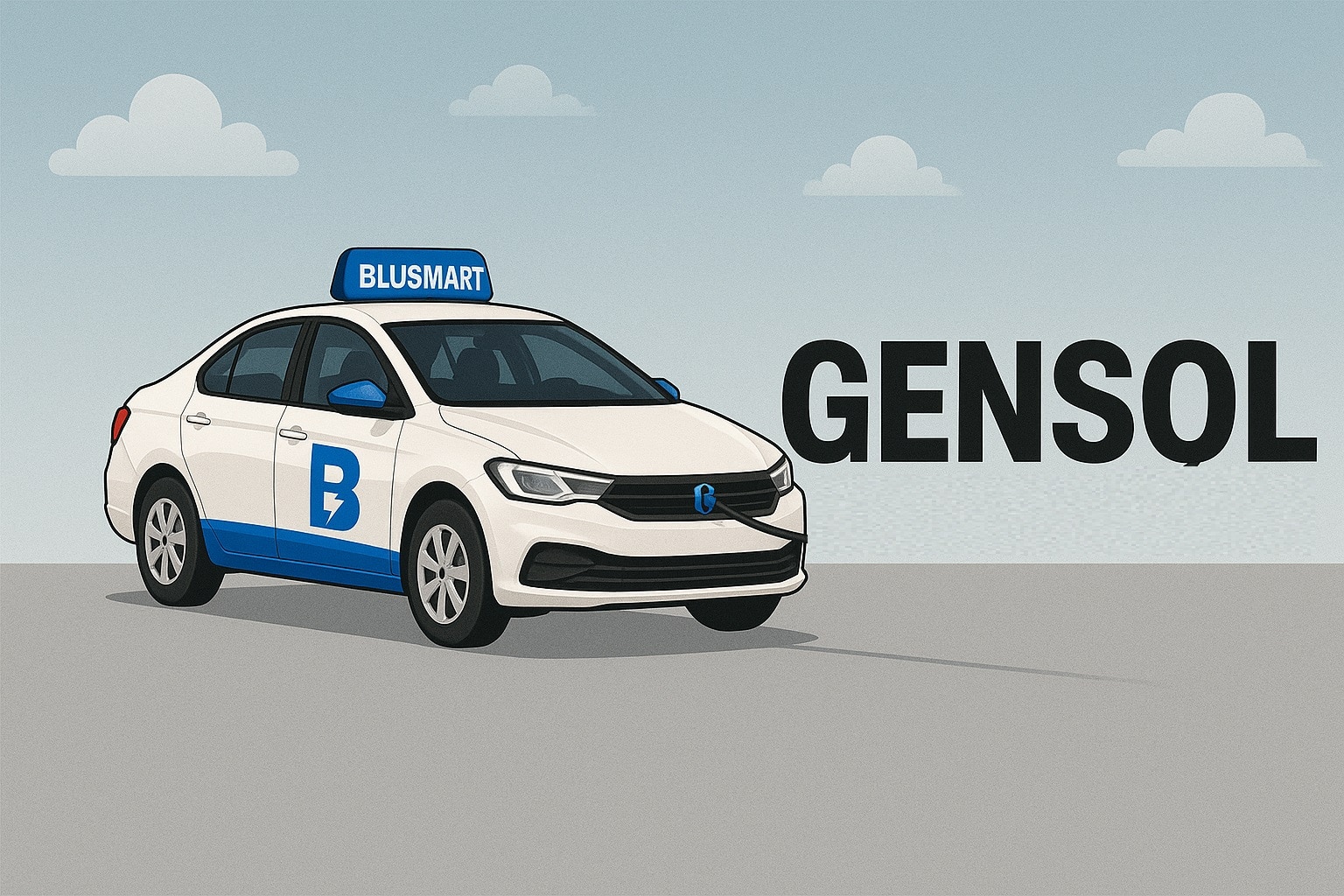
BluSmart, the EV ride-hailing service linked to Gensol Engineering, appears to have run out of juice—and has abruptly halted new ride bookings through its app in major cities.
Hitting the brakes
The company, on April 16, abruptly halted cab bookings in most parts of Delhi-NCR and Bengaluru.
- While the app remained available on the Play Store, users weren’t able to select a time slot or even a date
In parallel, mounting operational challenges and regulatory scrutiny have cast a cloud of uncertainty above the startup’s future.
EV loans, luxury moves
Wipro guidance disappoints
Tariffs, uncertainties continue to ail Indian IT sector
Driving the news
India’s fourth-largest IT services player, Wipro, on April 16, forecast a weak sequential revenue decline of 1.5 to 3.5% in constant currency terms for Q1FY26.
- It said uncertainties have dramatically increased from FY25 to FY26
The trigger was the now stalled tariffs by US President Donald Trump on key regions where Wipro’s revenue originates, such as the US and Europe.
By the numbers
It’s not just the outlook, the Bengaluru-based company presented a weak set of numbers even in Q4FY25.
- The IT services revenue declined 1.2% sequentially and 2.3% YoY to $2.60 billion
- The Bengaluru-based company’s profit slipped almost 7% sequentially
- The IT major’s margin expanded 1.1 percentage points year-on-year to 17.5%
The company also missed out on analyst estimates on all metrics.
Tell me more
Following in the footsteps of its larger peer, Tata Consultancy Services, the Srinivas Pallia-led company said it will decide on wage hikes closer to the date.
On the positive side, Wipro’s consulting subsidiary Capco has had a strong performance in Q4, growing 6% sequentially and 11% YoY.
The chink in NPCI that brought down UPI
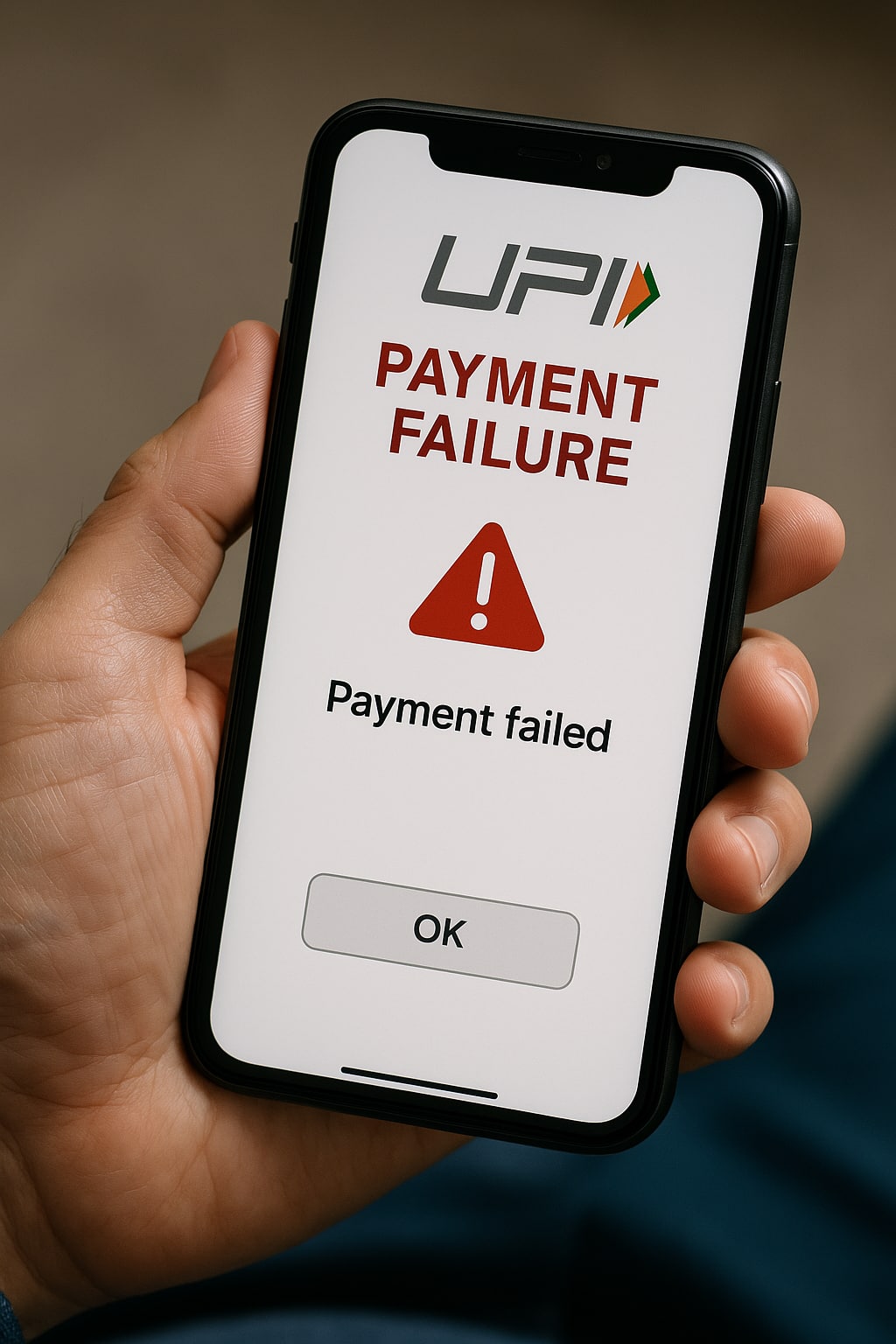
On April 12, the UPI system went dark intermittently for nearly five hours.
- For a country where people use UPI to buy everything from cutting chai to car insurance, it was a bummer
On April 15, NPCI released its root cause analysis. The culprit? Banks were hammering the system with status checks for failed transactions.
But that’s not the full story.
Also read: Keep UPI free, keep it fair
The chink
At the heart of the outage was a simple assumption: NPCI trusted banks to follow the rules.
- Banks were supposed to check the transaction status only three times, spaced 90 seconds apart
- But many didn’t stick to the playbook
- Worse, NPCI had no rate-limiting system to throttle excessive pings
Yes, but why?
In most digital ecosystems, a firewall system applies rate limits to prevent overloads. But UPI operates differently.
- Unlike card networks that "bunch" and process transactions in scheduled settlements, UPI is real-time and permission-based
Adding to the complexity: UPI cannot easily differentiate between a genuine follow-up and a flood of bot-like, automated pings.
Dig deeper



 PREVIOUS
 QUICK HITS
 GLOBAL PICKS