One important thing: Coinbase plans to lay off another 950 employees as the crypto downturn continues, in addition to shutting down projects with a "lower probability of success."
"As we examined our 2023 scenarios, it became clear that we would need to reduce expenses to increase our chances of doing well in every scenario…There was no way to reduce our expenses significantly enough, without considering changes to headcount," CEO Brian Armstrong said.
In today’s newsletter:
Was this newsletter forwarded to you? You can sign up for Tech3 here
New year, old woes: chaos at India’s edtech sector continues.
Two of the country’s largest edtech companies have seen some restructuring and churn as they aim for profitability in the coming quarters.
Unacademy has laid off another 40 employees as its job guarantee program vertical Relevel pivots from its core education business to a test product app called NextLevel.
Meanwhile, Ronnie Screwvala’s upGrad has seen a top-level exit as the company has made changes to its leadership structure.
In other news, Byju’s is seeking more time from lenders to restructure its $1.2 billion debt
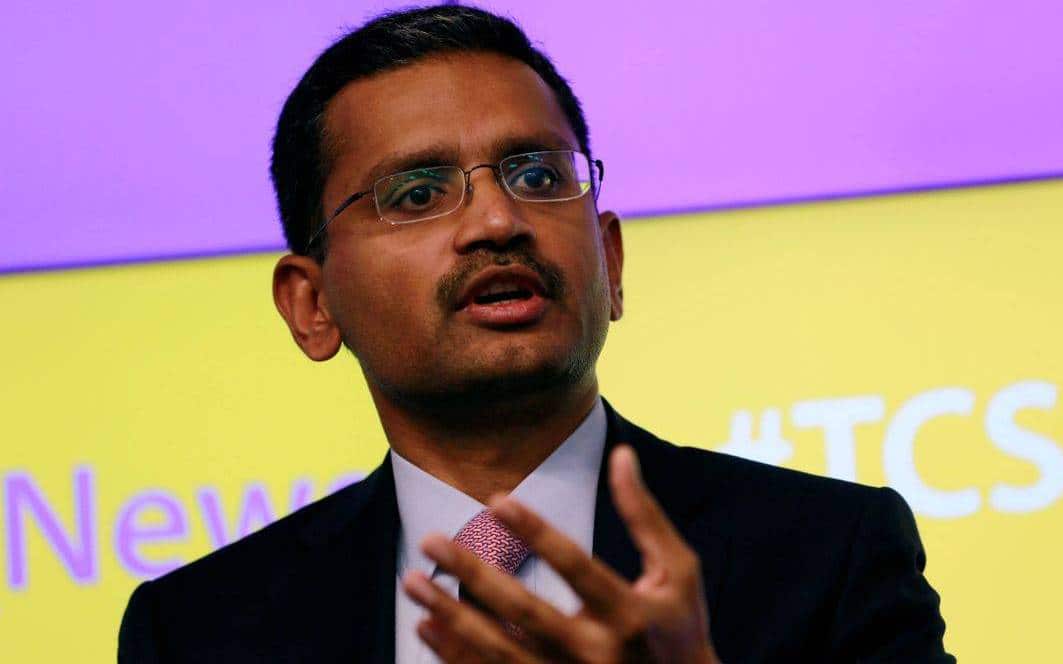
Tata Consultancy Services CEO Rajesh Gopinathan is bullish on the long-term prospects of the IT industry in the country, and when asked if the era of double-digit growth is over and single-digit growth the new normal, he had one answer: “Definitely not”.
What makes him confident?
Gopinathan addressed the fall in the company’s net headcount amidst elevated attrition levels, stating that it must be seen in context of what the company has done so far.
Choose an area, stay with it for a while and don’t flit, understand the nuances.
Finally, some good news from BharatPe. The fintech unicorn announced today that it has received in-principle approval from the Reserve Bank of India (RBI) to operate as an online payments aggregator.
In March 2020, the RBI issued a set of regulations mandating that all payment aggregators (PAs) be authorised by it. A PA provides merchants and e-commerce sites with payment services by accepting different offline and online payment instruments from customers.
The company has been embroiled in controversies since the fallout between its former managing director, Ashneer Grover, and key investors.
The funding winter has fundamentally changed many things for startups and for investors. From a change in mindset about growth at all costs to keeping costs low and focusing on growth; from extreme valuation frenzy to maintaining a cautious stance on everything; from backing great ideas to backing based on unit economics, Indian startups have gradually adapted to the new norm.
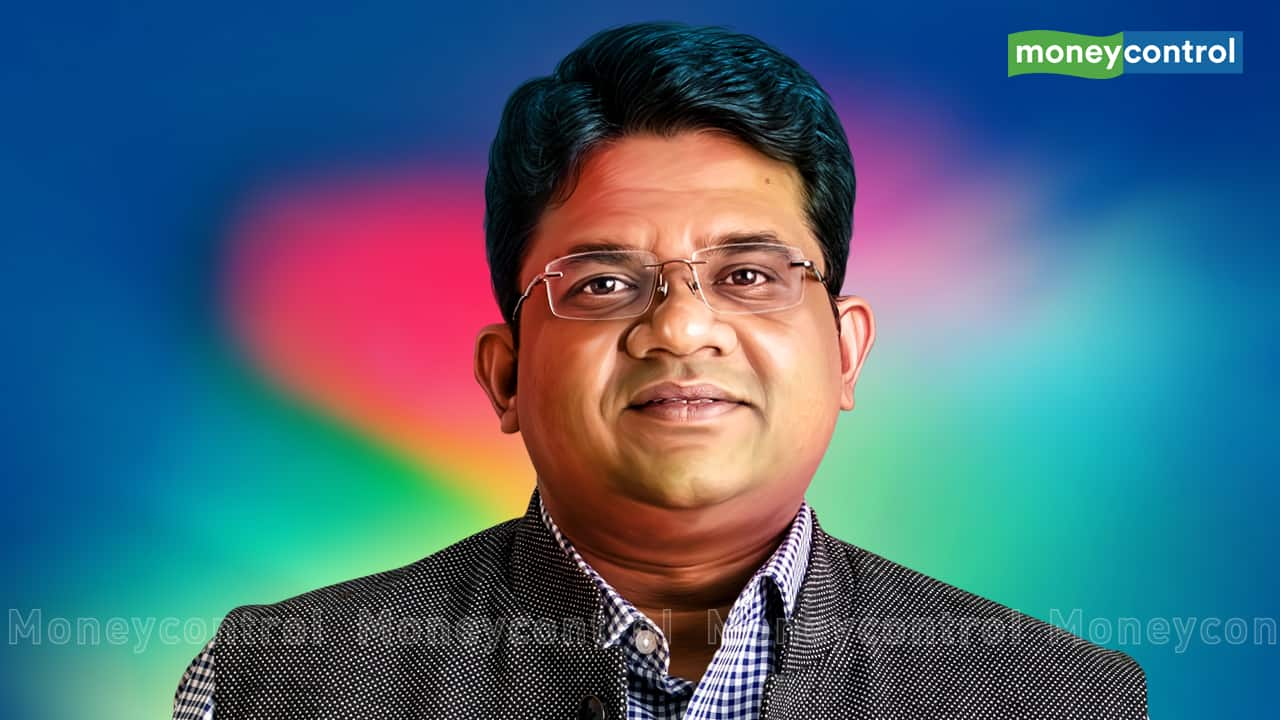
KreditBee, a digital-first lending platform for salaried and self-employed individuals, raised one of the largest funding rounds of $100 million in recent times last week. However, the conversation, the terms, and the expectations between the startup and the investors were very different, said KreditBee’s co-founder and CEO Madhusudan Ekambaram.
"When it comes to raising funds from PEs, they are more strict than VCs by nature of the funds. What I saw was that they had become twice as strict as when I had raised funds from Premji Invest or Motilal Oswal. When Advent was looking at us or when MUFG was looking at us, the evaluation had strengthened at least by twice," Ekambaram said.
In a candid chat with us, Ekambaram also discussed the firm's IPO plans and 2023 roadmap.
India must prioritise making its own software products, since true independence cannot be attained without owning the software layer on top of the hardware, writes India Quotient general partner Anand Lunia in a column for us.
Lunia argues that there are three broad benefits from a tech ecosystem that is 'domiciled' in India - direct job creation, technology know-how creation, and wealth creation.
"The long-term strategic implications of having a domestic software product industry haven’t escaped the government, but the signals are somewhat mixed,” he writes.
“The photo-ops of leaders of global monopolies with the leaders of the Indian government have been so prominent that they can deter any local founder from daring to compete. Or even complain. That may not have been the intention of the government, but the impact on the founders’ psyche is real" he added.
On this day in 1946, a group of engineers from the US Army successfully bounced a radar signal off the Moon and recorded its echoes here on Earth.
Known as "Project Diana," it paved the way for future radio communications with spacecraft, radar missile defence systems, and mapping the surfaces of nearby planets. (Picture credit: Wikipedia)
Today we celebrate the birthday of the one and only Tintin, the intrepid young reporter who has captured the hearts of readers for over nine decades.
First appearing in 1929 in the comic strip "Tintin in the Land of the Soviets," Tintin went on to star in a total of 24 comic albums, becoming one of the most iconic and widely-read comic book series in the world.
Whether he's traversing the snowy landscape of the Soviet Union, solving the mysteries of the Moon, or taking on the villainous Rastapopoulos, Tintin always manages to come out on top with the help of his loyal dog Snowy and his trusted friends Captain Haddock and Professor Calculus.
So here's to Tintin, the world's most beloved and adventurous comic book hero. Happy birthday!
Note: By subscribing to Tech3 you have already made the right choice. Top it up with a premium offering, the Moneycontrol Pro Panorama, a newsletter that gives you a sharp take on macros, markets, business and finance. Sign up for Pro from this link to get this newsletter in your inbox and also a host of content enjoyed by 500,000+ subscribers.