-
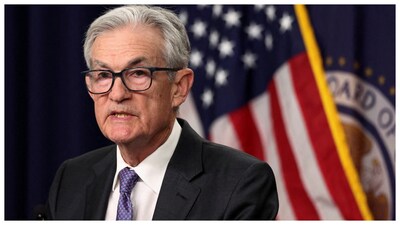
Fed's Jerome Powell expects higher energy prices to drive near-term inflation
The rate-setting Federal Open Market Committee voted 11-1 to keep the benchmark federal funds rate in the 3.5 per cent to 3.75 per cent range.
-

Dollar is set for best day since July on Trump's Fed pick
An advance of the greenback against all major currencies trimmed its January slide. Long-term Treasuries underperformed
-
Who is Kevin Warsh? Know all about Trump’s pick to replace Jerome Powell as US Fed chair
Kevin Warsh is currently a Shepard Family Distinguished Visiting Fellow in Economics at Stanford University's Hoover Institution and a visiting scholar at Stanford Graduate School of Business.
-
Trump says he will unveil Fed chair nominee next week
The Fed kept borrowing costs on hold Wednesday, a decision that rankled Trump
-
Trump bid to oust Lisa Cook may be 'most important legal case' in Fed history: Jerome Powell
Powell, who has also characterized an investigation of the Fed by Trump's Justice Department of Justice as politically motivated, declined to comment on remarks by Treasury Secretary Scott Bessent criticizing his attendance at the hearing.
-
US shutdown likely weighed on economic activity, tariffs impacting inflation: Jerome Powell
In its policy meeting on January 28, the US central bank held interest rates steady, defying President Donald Trump’s repeated calls for sharp cuts.
-
US Federal Reserve may keep rates unchanged for months as economy shows signs of health
A key issue that Chair Jerome Powell will likely address at his news conference Wednesday is how long the Fed will remain on hold.
-
US Fed Meeting Highlights: US Fed holds interest rates steady; Powell says policy can ease once tariff pressures recede
The US Federal Reserve held interest rates steady at its first policy gathering this year, citing robust economic growth, as the central bank resists Donald Trump's mounting pressure for cuts.
-
Fed to hold rates as political storm intensifies around Jerome Powell
Jerome Powell’s post-meeting press conference will be his first public encounter with reporters since he was served grand jury subpoenas related to a Department of Justice investigation
-
BlackRock’s Rick Rieder bid for Fed chair is gaining traction
Trump’s interview Thursday with Rieder went well, the people said, speaking on condition of anonymity to discuss the private deliberations
-
Trump says no plans to remove Fed's Jerome Powell, claims to understand biz better than 'Too Late Powell'
Trump justified his repeated outbursts against the central bank and its chief, saying 'a president should have something to say' about Fed policy
-
US Fed subpoenas revive ‘sell America’ trade on autonomy concerns
For investors, the escalation sets the stage for heightened market volatility given the potential impact for long-term monetary policy
-
Gold edges past $4,600/oz as Powell-Trump rift stokes safe-haven demand
Spot gold jumped 1.3% to $4,566.80 per ounce by 0410 GMT. Bullion hit a record high of $4,600.33 earlier in the day
-
US core CPI unexpectedly eases to slowest pace since 2021
The core consumer price index, which excludes the often-volatile food and energy categories, increased 2.6% in November, according to Bureau of Labor Statistics data out Thursday
-
Inflation still largely driven by tariffs, says Fed Chair Jerome Powell
The Fed Chair warned of rising labour-market risks even as tariff-driven inflation persists, defining the need to balance price stability with protecting jobs and real wages.
-
US Fed set to deliver third straight rate cut today, but all eyes on cues for 2026 policy path
While the quarter-point reduction in the policy interest rate is widely anticipated, some analysts anticipate a “hawkish cut”, where the US Fed lowers rates today but hints that the pace of easing may slow from here.
-
US Fed's rate cut this week may be last for a while
A new set of economic projections will likely show continued division among policymakers
-
Jerome Powell on track for Fed rate cut despite some dissent
The Fed delivered a second straight reduction in October driven by the summer’s sudden deterioration in the US labor market
-
Who will lead the US Federal Reserve next? Inside Trump’s high-stakes search for Powell’s successor
Donald Trump nears decision on Jerome Powell’s successor as White House narrows shortlist to five candidates, amid rate-cut pressures, market sensitivity and concerns over political influence on US monetary policy.
-
Donald Trump says he’s settled on next Fed Chair, claims he’s being 'held back' from firing Jerome Powell
Donald Trump said he has “some very good people” under consideration to succeed Powell and hinted that “some surprising names” are in the mix, although he may ultimately “go the standard way.”
-
Rate cut relief or more confusion: What the Fed’s move means for India’s markets
Domestic conditions support another rate cut by the RBI. For markets to wear a bigger smile, however, much depends on this one source of funds delivering the goods
-
Jay Powell thinks rates don’t have far to fall
-
Fed chair’s commentary on inflation risk augurs well for equities
Outperformance of Indian equities on the cards, but USD/INR may remain rangebound
-
Bessent names Fed chair finalists ahead of year-end decision
Trump himself told reporters that he expected to make a decision on the nominee before the end of the year
-
Asia stocks gain as rate-cut bets outweigh trade angst
Shares in Japan, South Korea and Australia all rose at the open after Fed Chair Powell’s concerns about a weakening labor market reinforced investors’ expectations for a rate cut in October