-
My Account









A day in the life of an Indian child scavenger
Scavenging is filthy and dangerous work. While there is no exact count, aid groups say around 4 million people in India work as scavengers. It is effectively the primary recycling system in the country, but the work is not environmentally friendly. Those who do it have few rights and are exposed to deadly poisons every day.




1/10
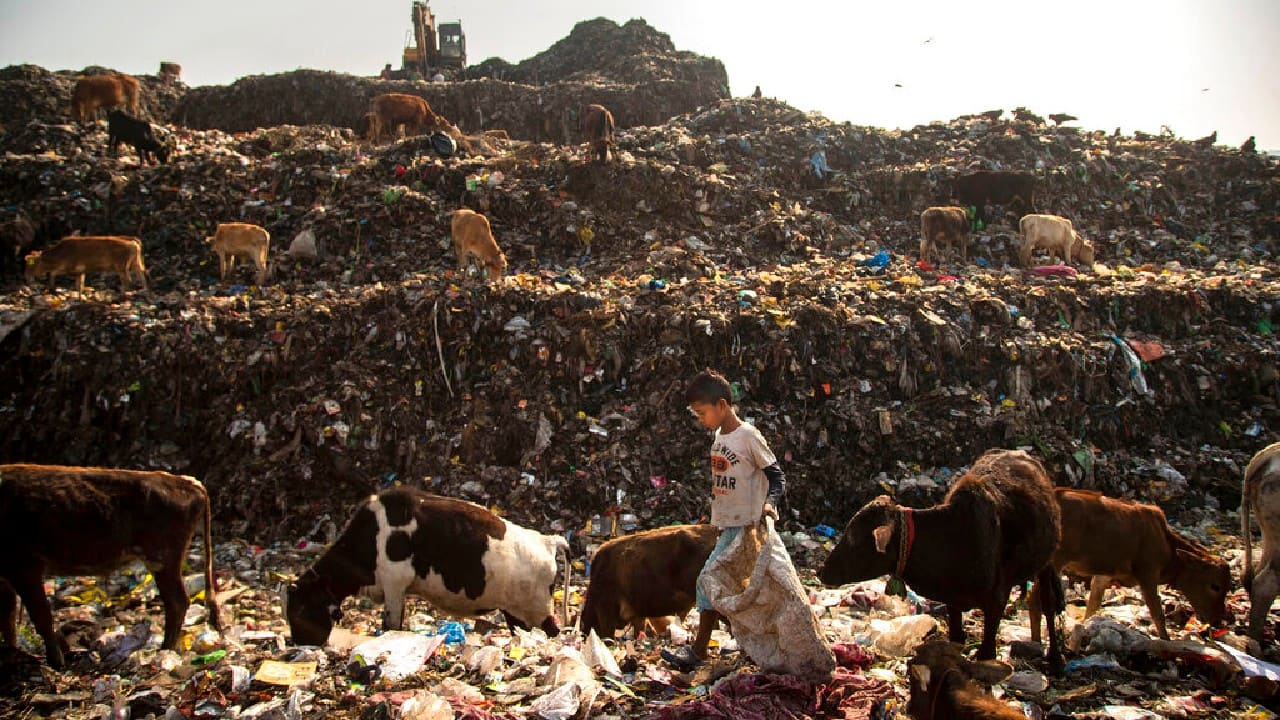
Once school is done for the day, 10-year-old Imradul Ali rushes home to change out of his uniform so he can start his job as a scavenger in India’s remote northeast. (Image: AP)
2/10
Armed with a gunny bag, he goes to a landfill in the slums of Guwahati, the capital of Assam state. Here, he hunts through heaps of other people’s garbage, searching for plastic bottles, glass or anything salvageable he can recycle or sell. Around him, cows graze on the mountains of waste that line the site. (Image: AP)
3/10
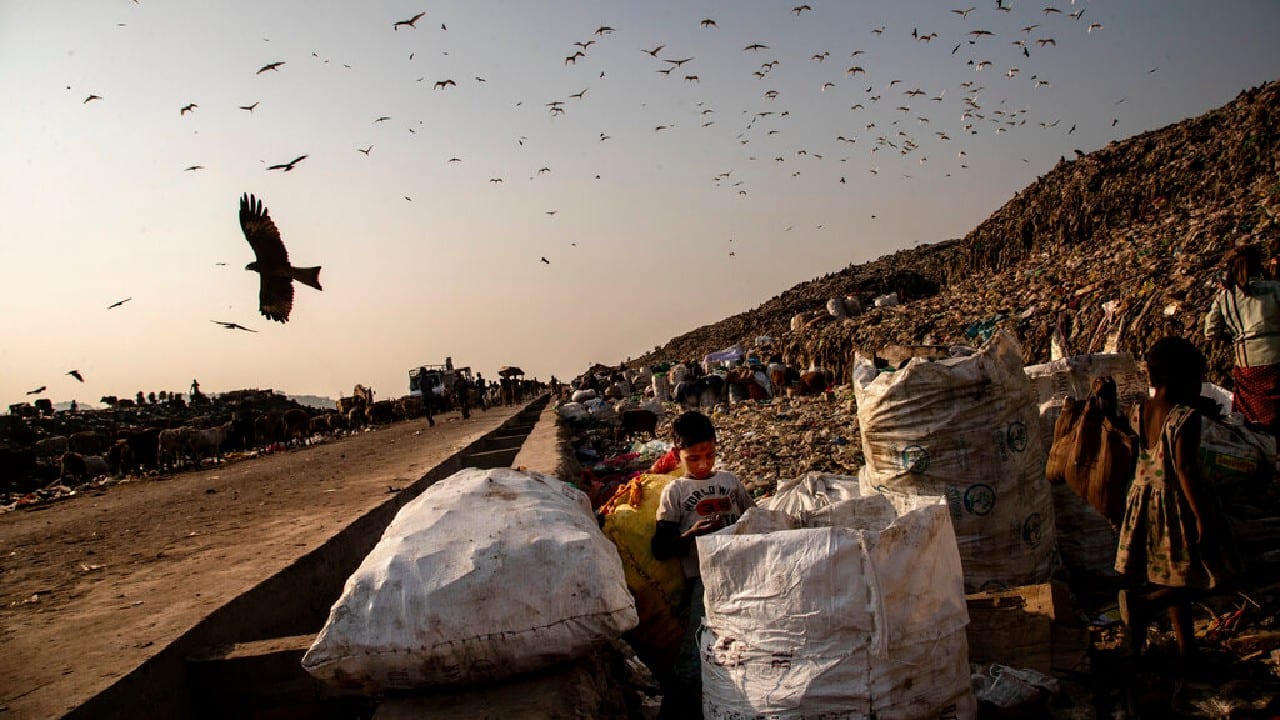
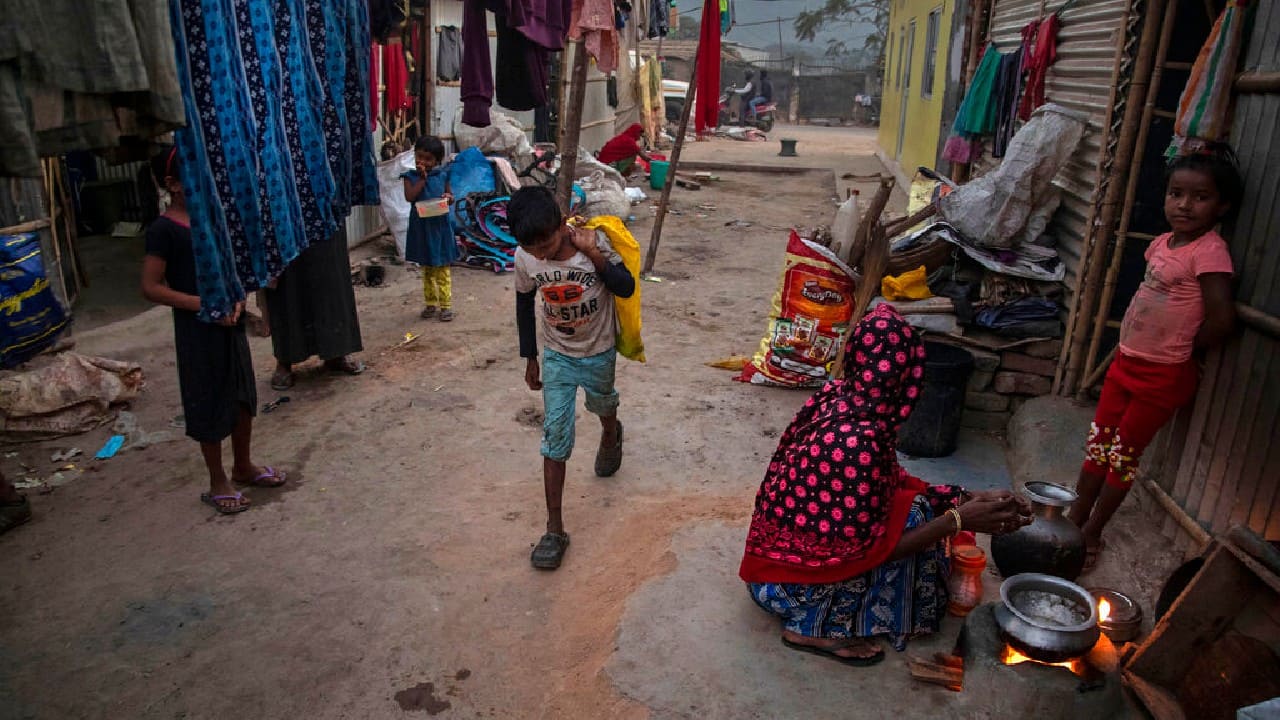
Ali comes from a family of scavengers, or “rag pickers” — his father, mother and elder brother all earn their income through it. He started doing it over a year ago to help his family make more money. (Image: AP)
4/10
The family was hit hard last year by the COVID-19 pandemic, as they couldn’t go to the landfill and sift through garbage for things to sell. They struggled during the months-long lockdown in India, but were able to get food through the help of aid organizations. (Image: AP)
5/10
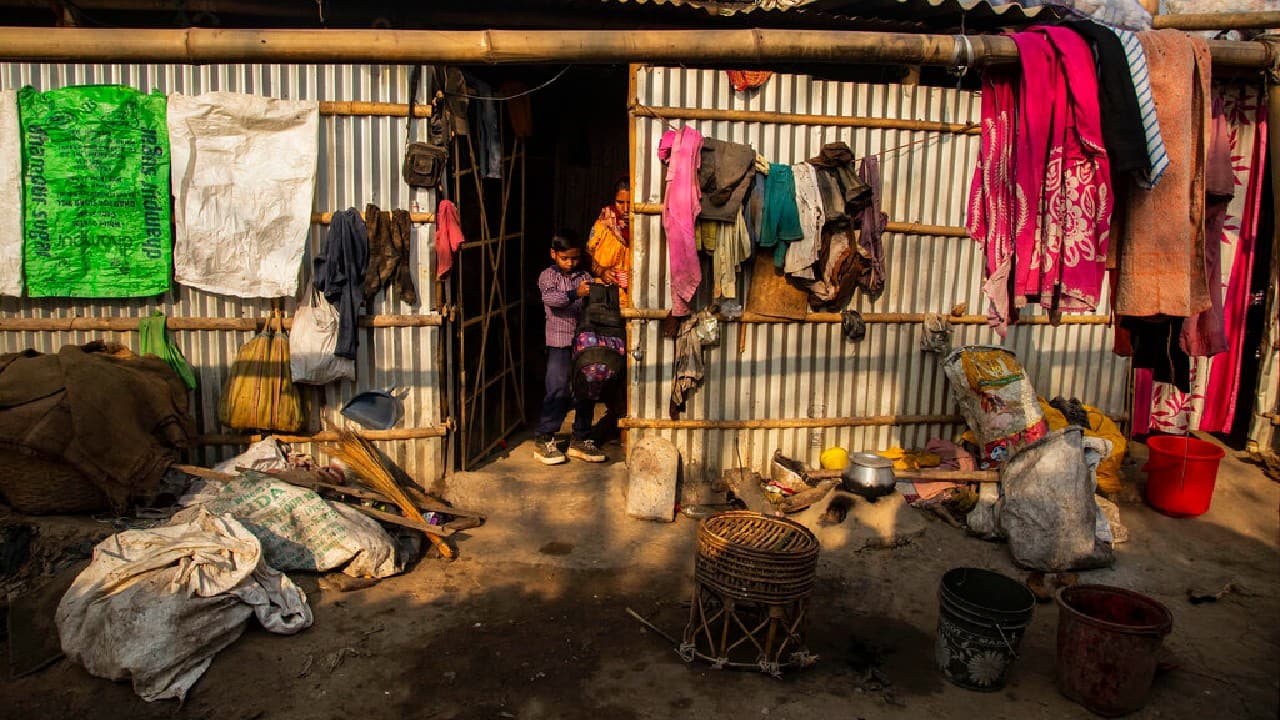
Ali says he doesn’t want to spend his life doing this, but he doesn’t know what the future holds. “I want to continue going to school and would like to be a rich man,” he said. He earns up to 100 rupees ($1.30) a day, while the rest of his family makes about 250 rupees ($3.30) each. “It’s very difficult to run a family by rag-picking,” said Ali’s mother, Anuwara Begum. (Image: AP)
6/10
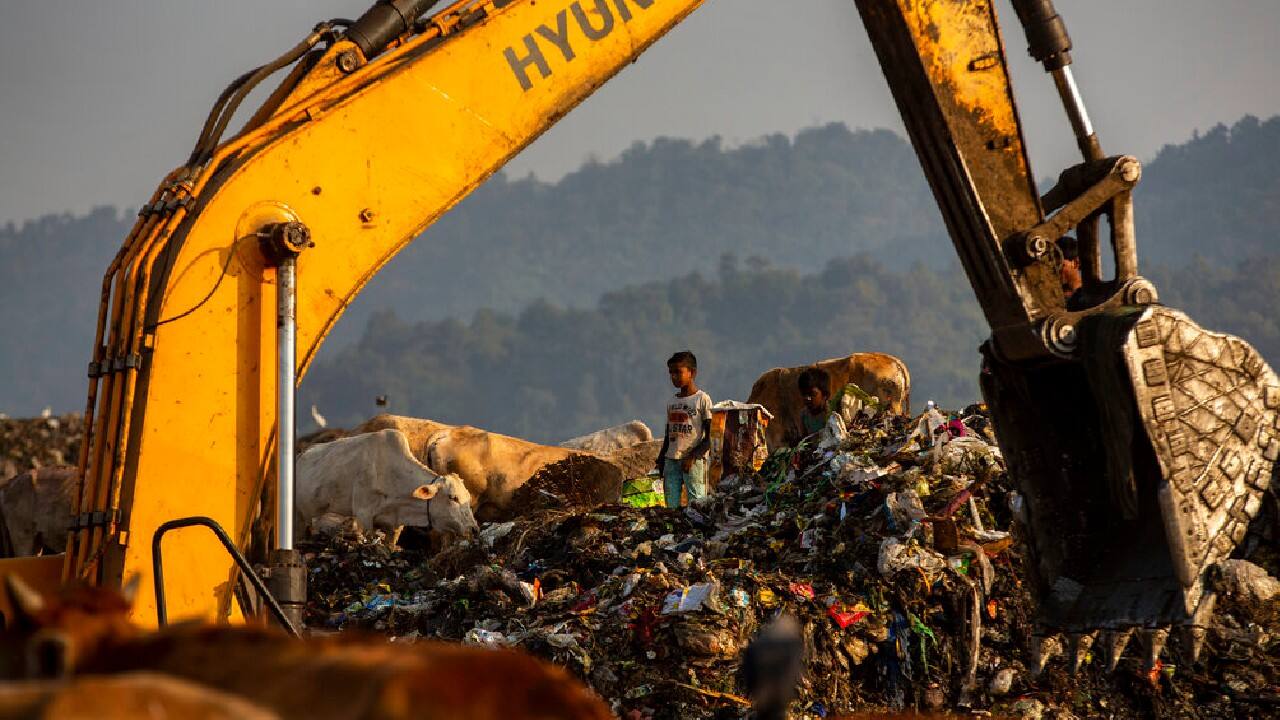
Scavenging is filthy and dangerous work. While there is no exact count, aid groups say around 4 million people in India work as scavengers. It is effectively the primary recycling system in the country, but the work is not environmentally friendly. Those who do it have few rights and are exposed to deadly poisons every day. (Image: AP)
7/10
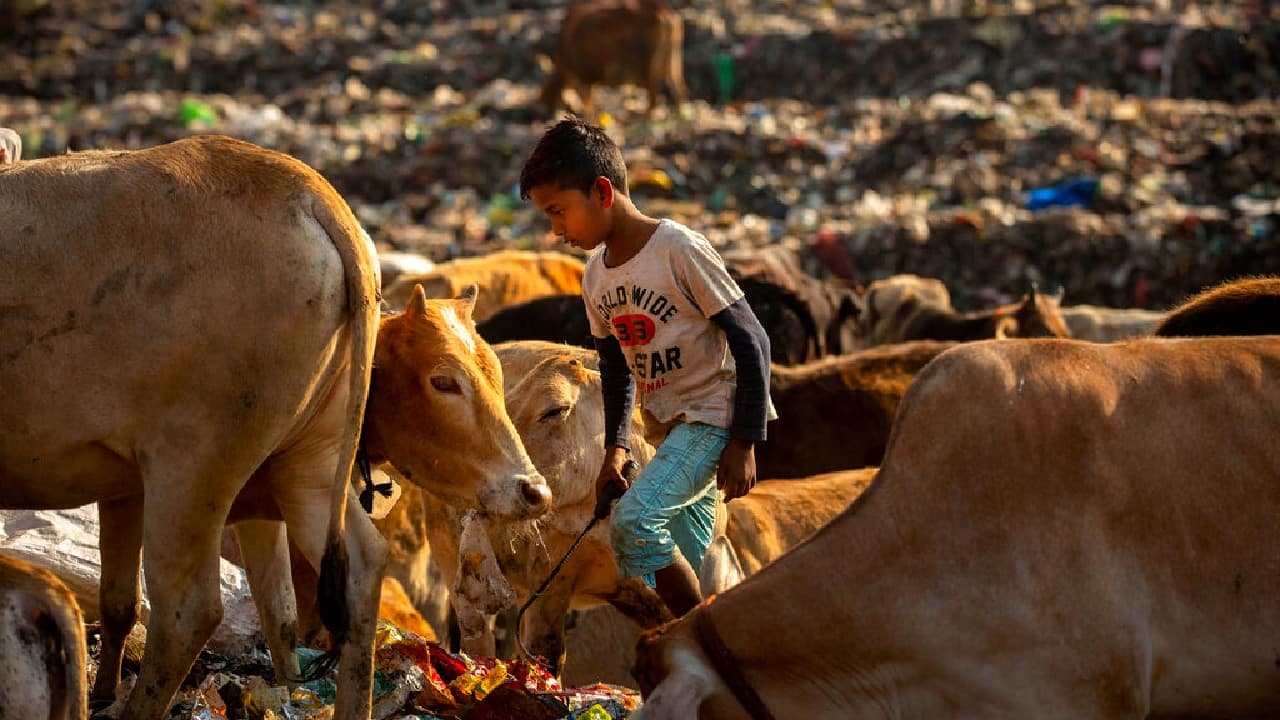
India’s last census in 2011 put the total number of child laborers between the ages of 5 and 14, including scavengers, at around 10 million. (Image: AP)
8/10
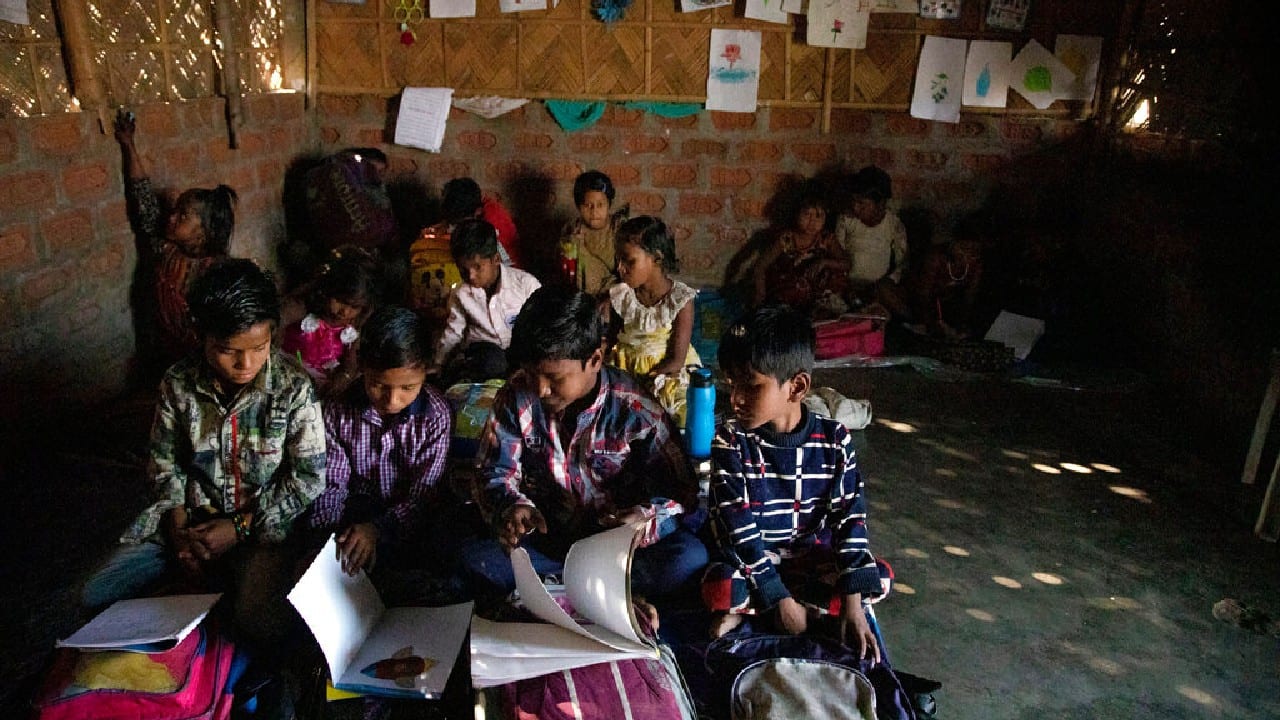
Thadeus Kujur, who runs the Snehalaya charitable group, says it’s always sad to see children collecting scraps instead of going to school. His group runs five childcare institutions, taking care of 185 boys and girls, and has helped 20,000 children over seven years. “We carry out motivational programs for poor parents to realize the value of education before putting their children into schools,” he said. (Image: AP)
9/10
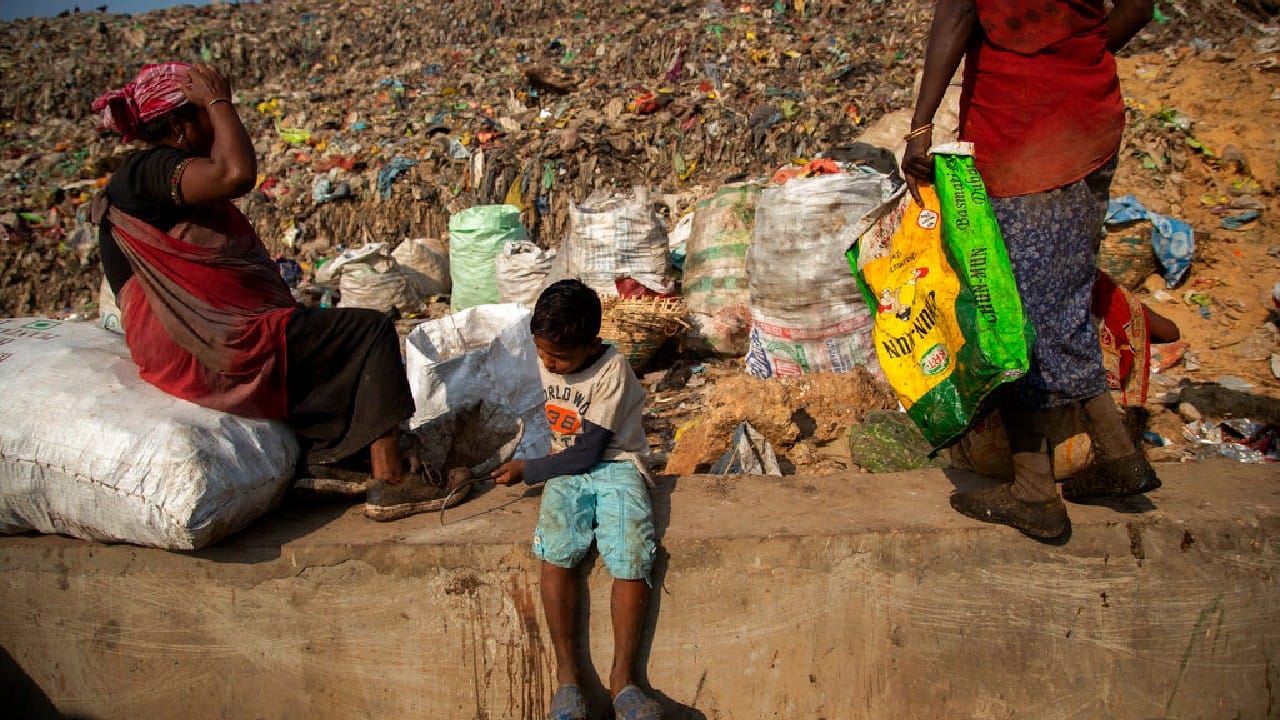
According to a new World Bank Group and U.N. Children’s Fund analysis, an estimated one in six children, or 356 million globally, lived in extreme poverty before the pandemic began — and the number is expected to worsen significantly. (Image: AP)
10/10
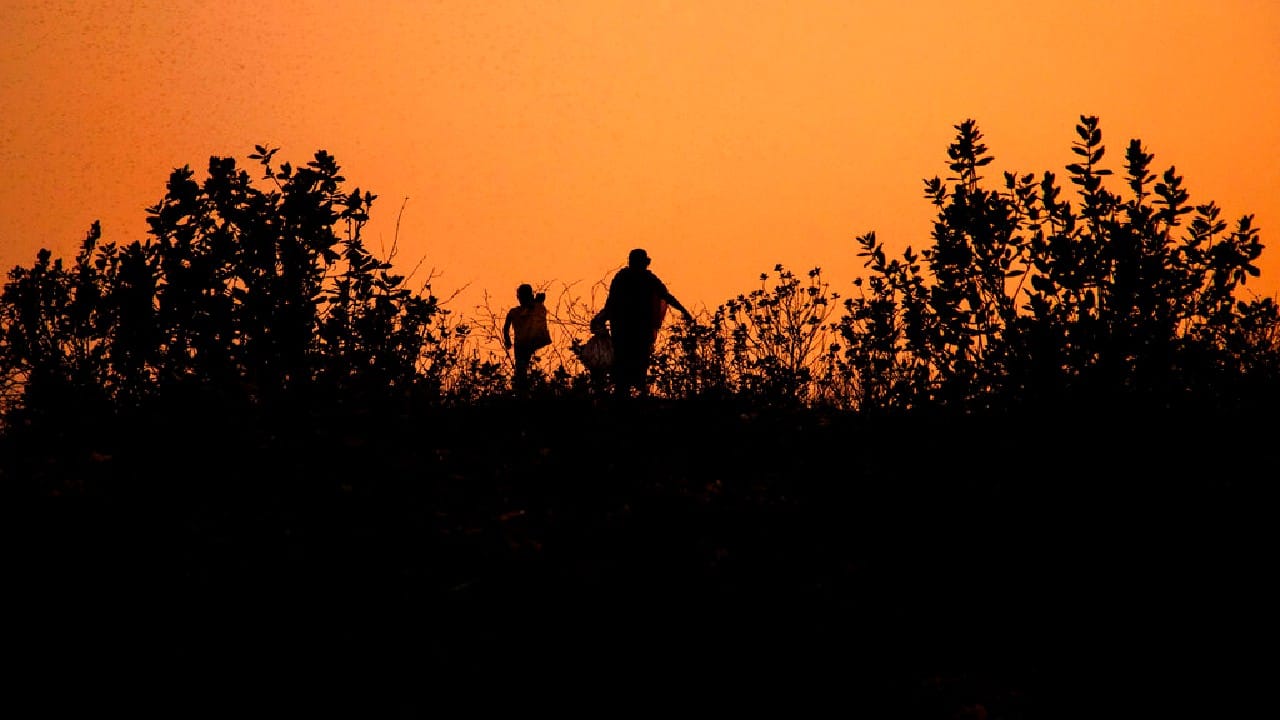
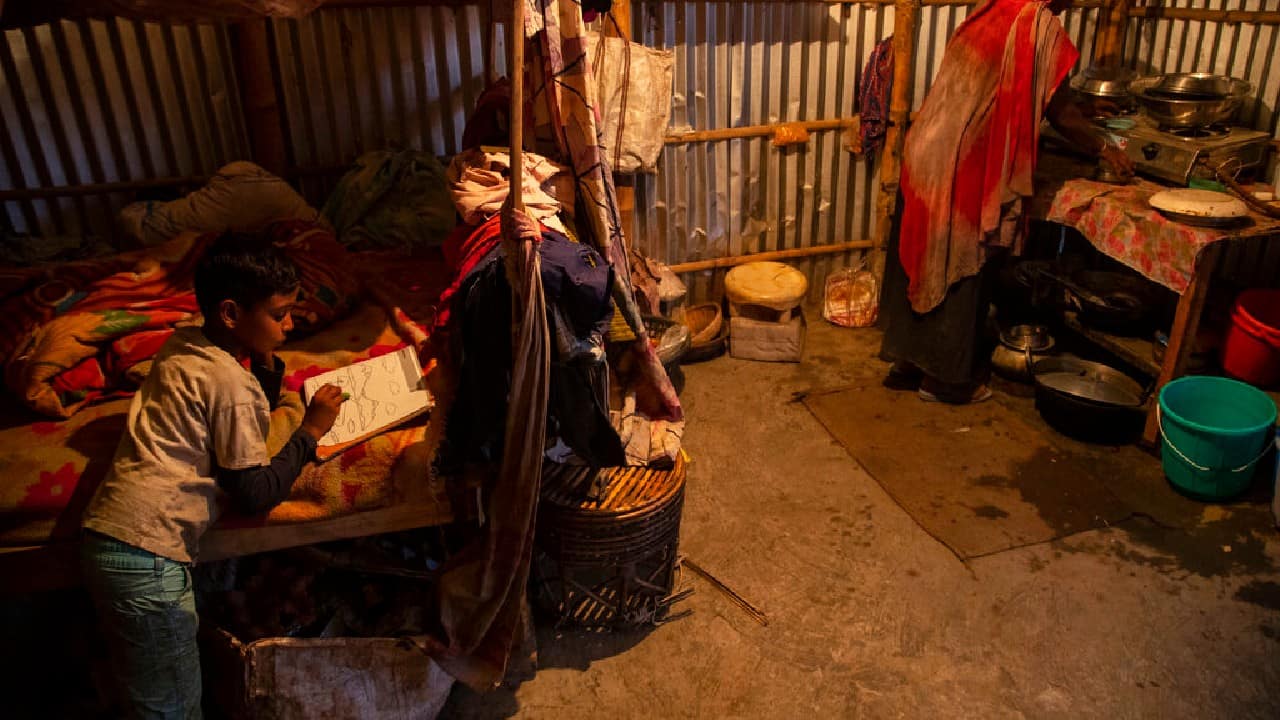
Ali’s father wants his son to continue going to school, hoping he will run his own shop or get a coveted government job when he grows up, putting an end to their suffering. As for Ali, he wants to drive a car and wishes to own one in the future. “I want good food and clothes,” he said. (Image: AP)
Discover the latest Business News, Budget 2025 News, Sensex, and Nifty updates. Obtain Personal Finance insights, tax queries, and expert opinions on Moneycontrol or download the Moneycontrol App to stay updated!



