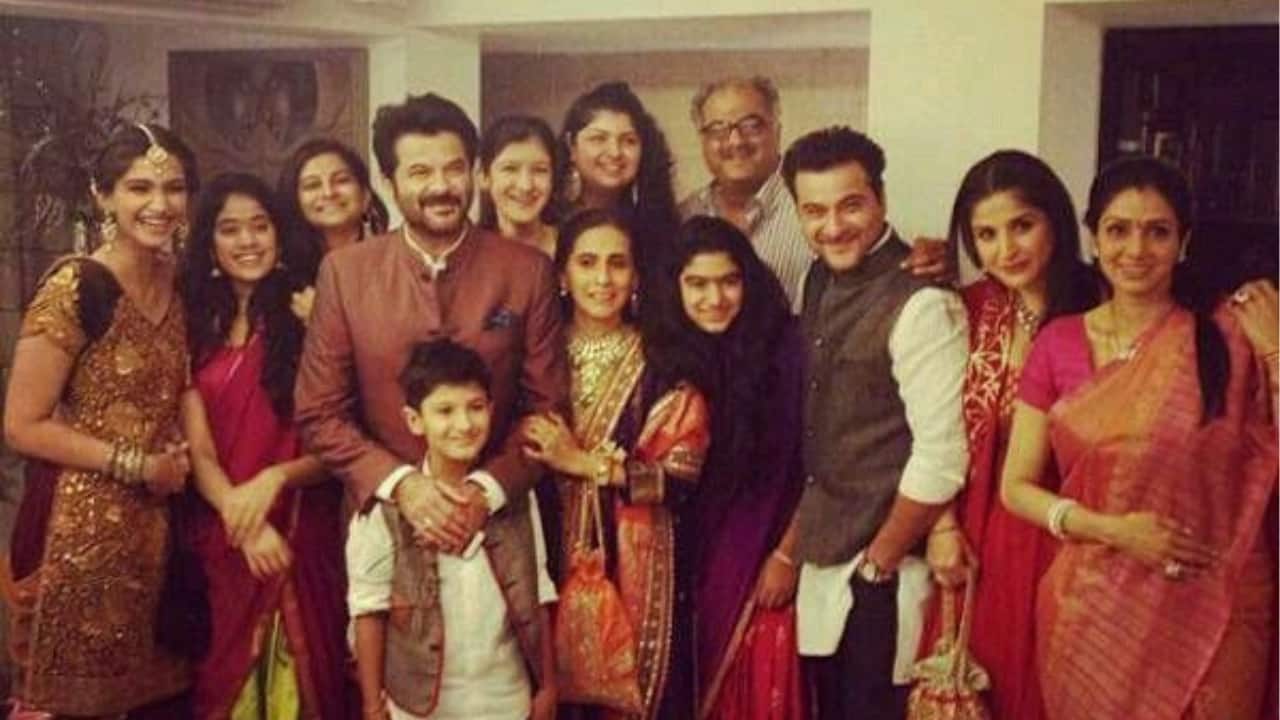
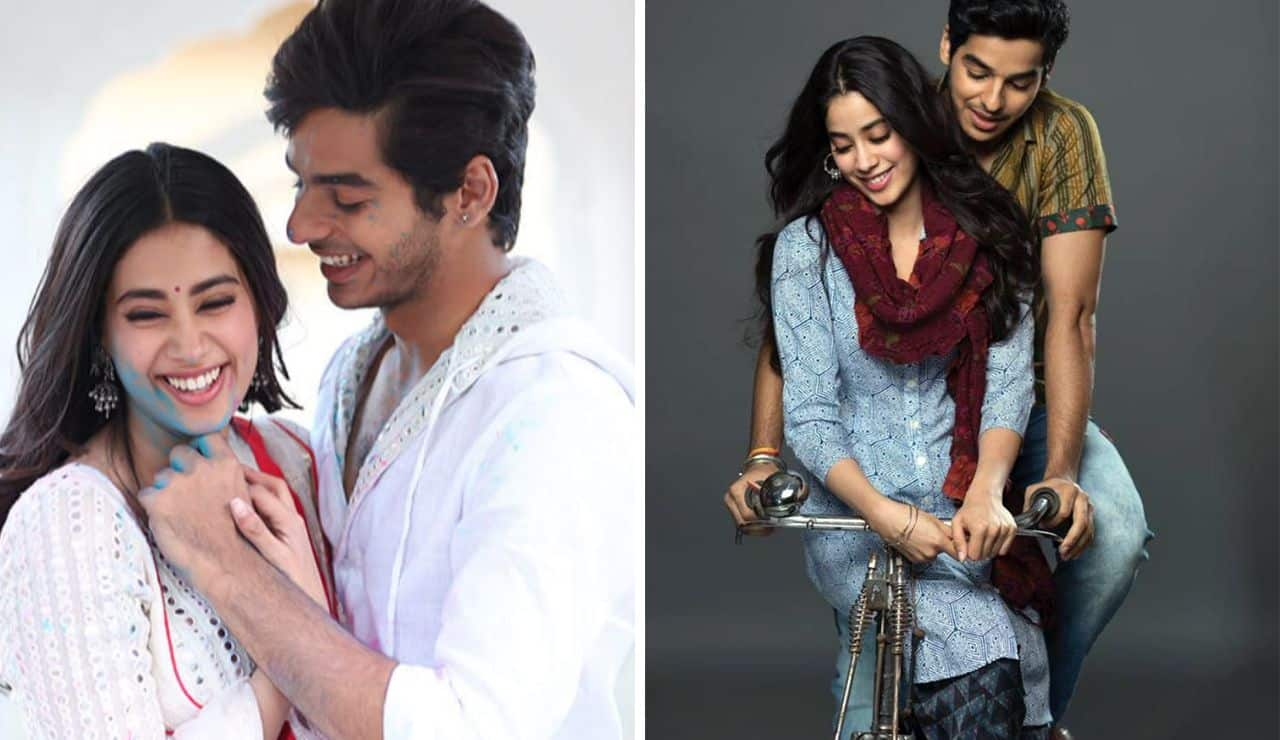
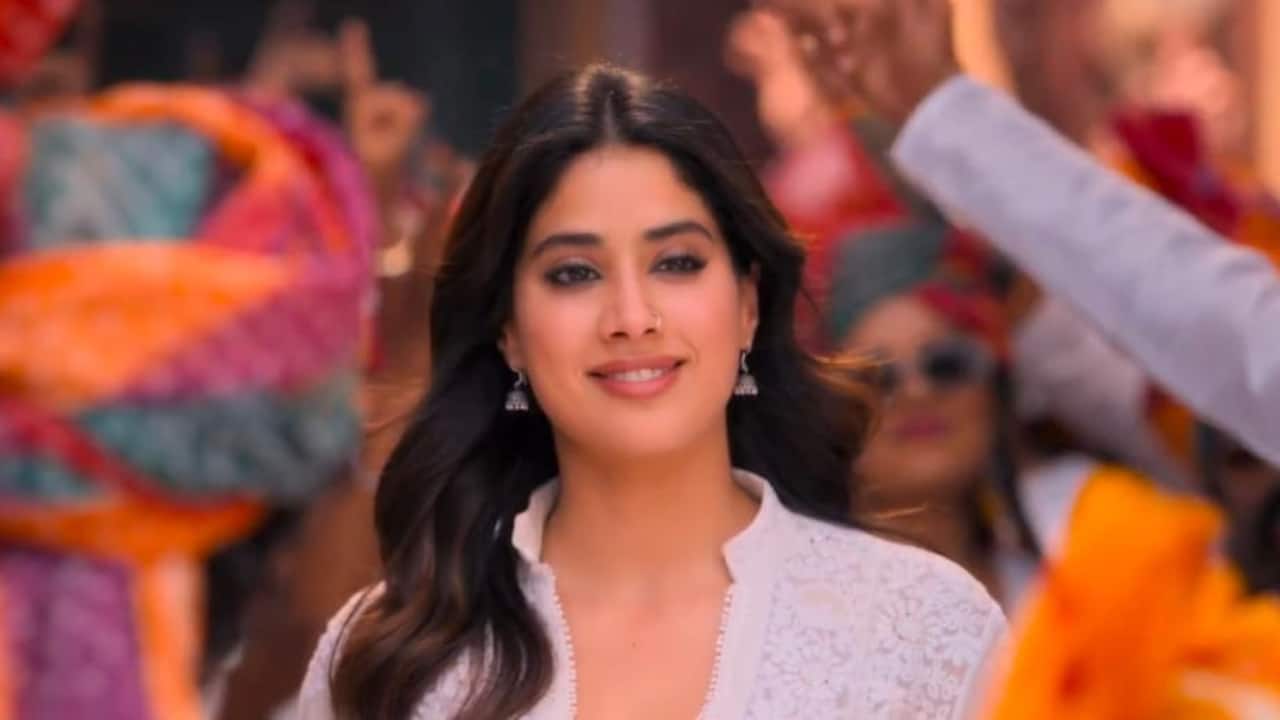
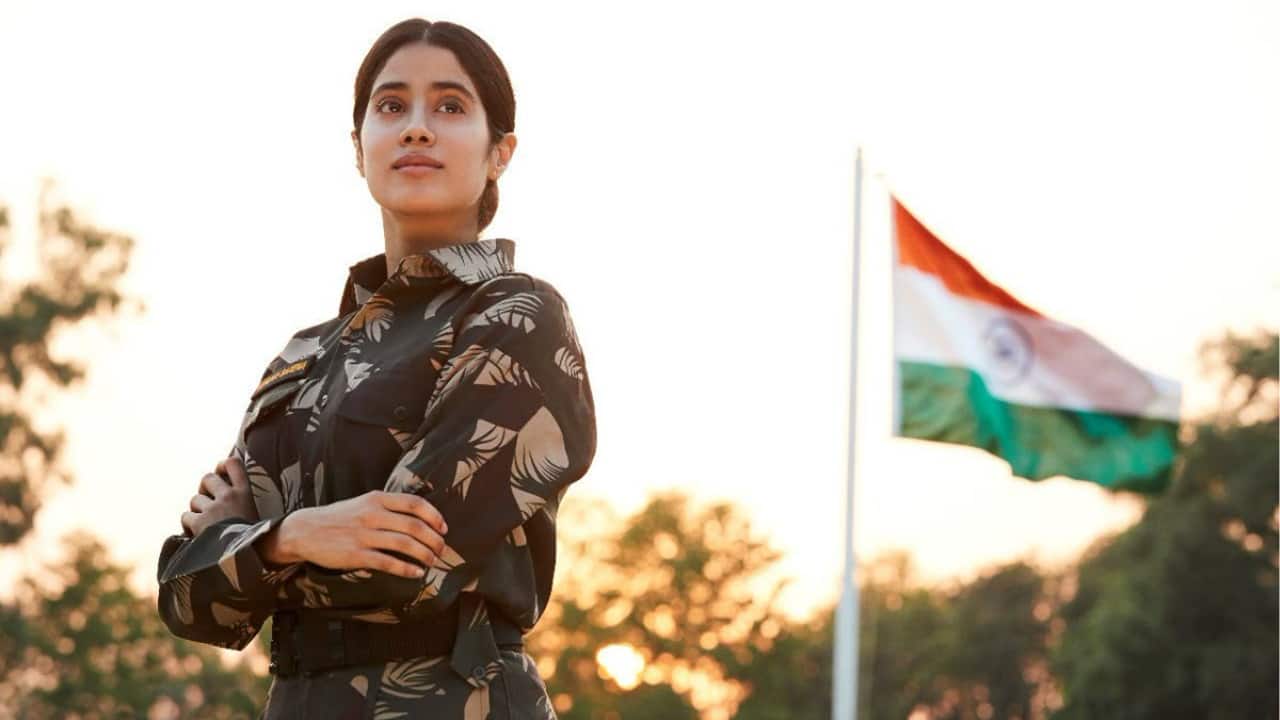
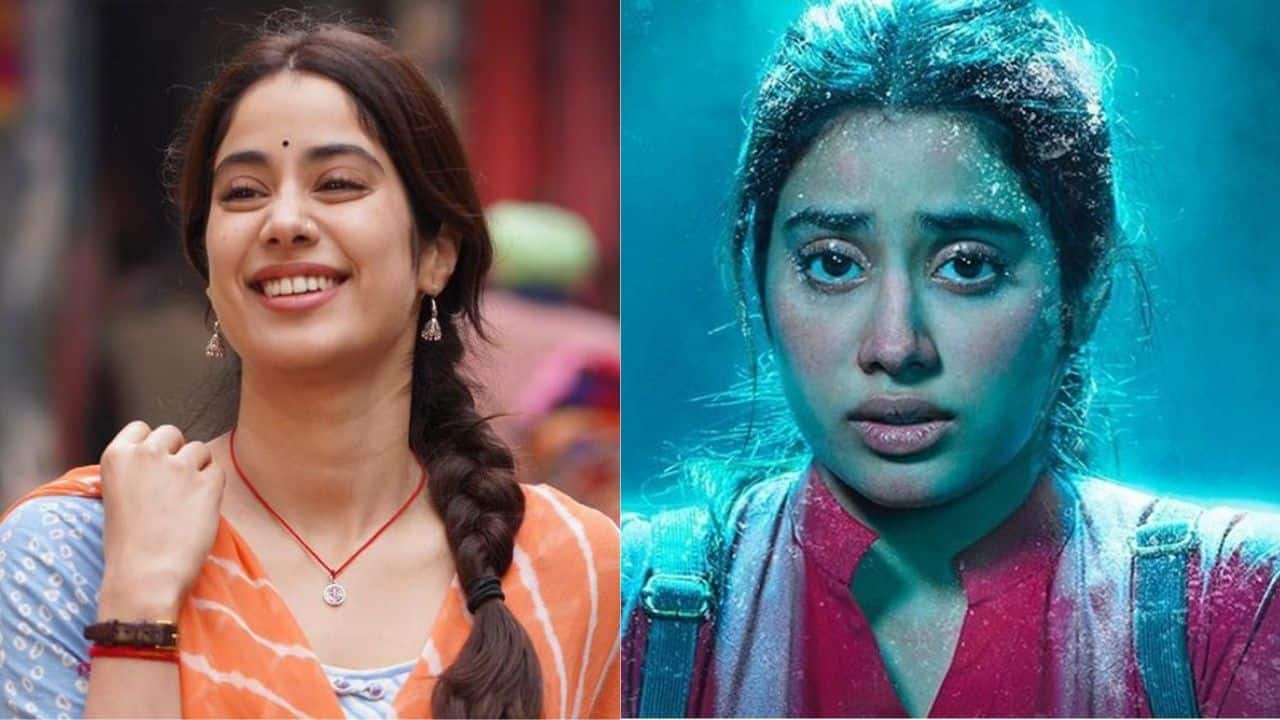
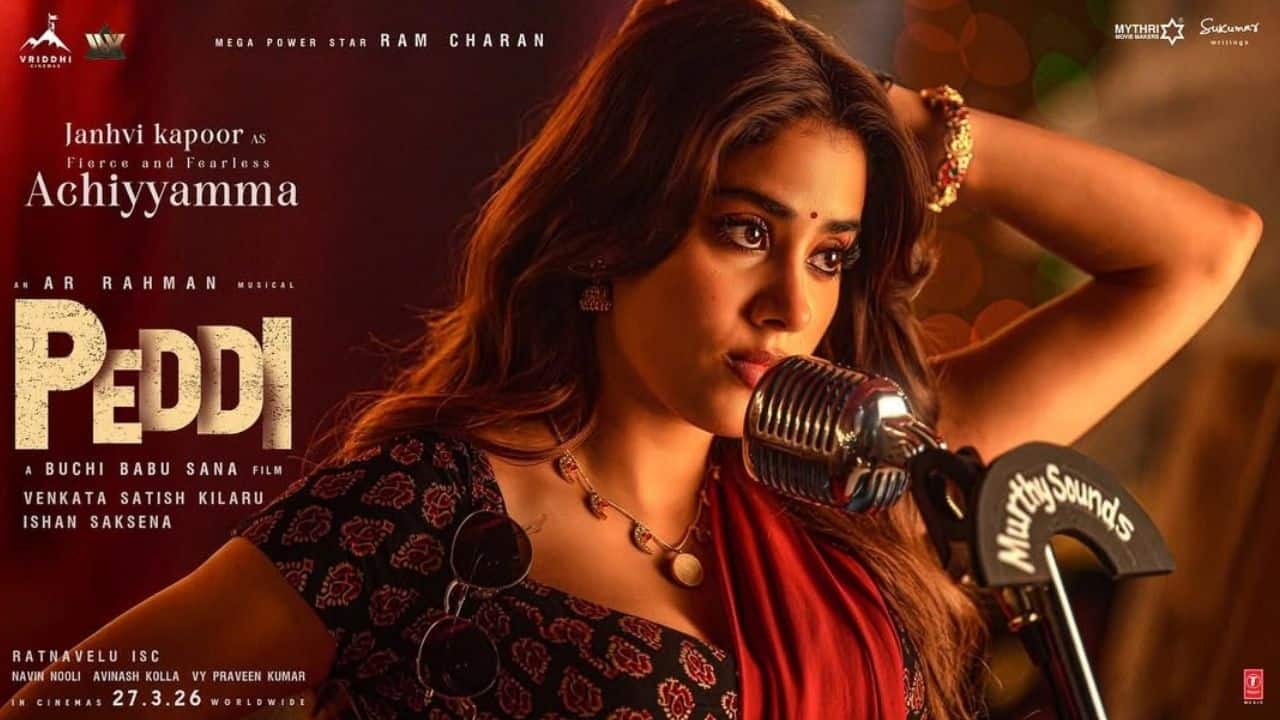
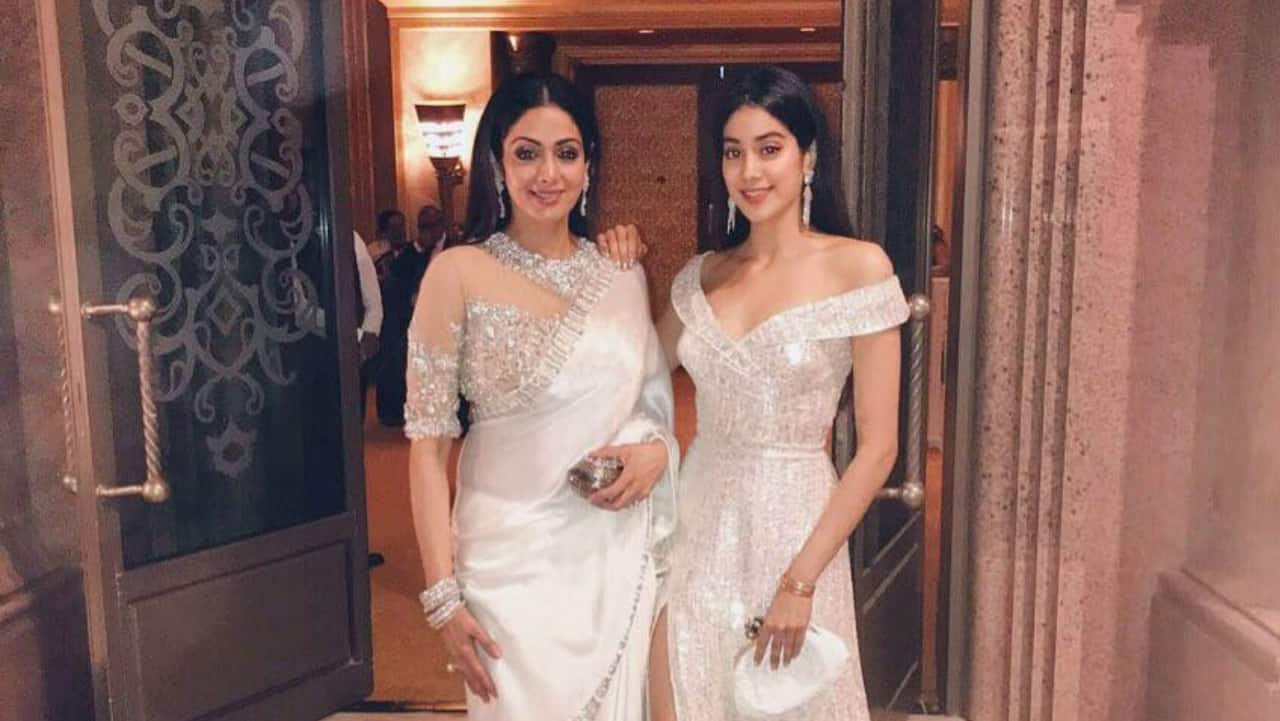
As Janhvi Kapoor turns 29 today, her journey in cinema feels both deeply personal and quietly determined. From growing up in the shadow of an iconic legacy to carving her own space in a constantly scrutinising industry, her path has been anything but simple. On her birthday, here’s a closer look at how Janhvi Kapoor has evolved — not just as a star, but as an actor finding her voice. Growing Up With a LegacyJanhvi Kapoor was born into Indian cinema royalty, the daughter of Sridevi and Boney Kapoor. From a young age, films were not just entertainment but part of her everyday life. Yet inheriting such a legacy also meant carrying enormous expectations before she even faced the camera. A Debut Shadowed by Personal LossHer debut film Dhadak in 2018 came during one of the most painful periods of her life, following the sudden loss of her mother. While the world watched her first steps in Bollywood, she was quietly navigating grief. That early emotional upheaval shaped her resilience in ways few could see. Learning Under the Spotlight After Dhadak, Janhvi Kapoor found herself under intense scrutiny. As a star kid, every performance was dissected and compared. Instead of shrinking under the pressure, she chose to keep working, slowly building confidence and sharpening her craft. Breaking the Glamour MoldWith Gunjan Saxena: The Kargil Girl, Janhvi Kapoor stepped into a role that demanded discipline and emotional depth. Playing an Indian Air Force pilot marked a turning point in her journey. It showed her desire to be taken seriously beyond fashion headlines and red carpets. Choosing Risk Over ComfortFilms like Good Luck Jerry and Mili reflected her willingness to experiment. These roles were rooted, vulnerable and often uncomfortable. Rather than relying solely on commercial formulas, she began exploring layered characters. Growing With Each FilmOver the years, Janhvi Kapoor’s performances have shown noticeable growth. Her screen presence feels steadier, her emotional scenes more controlled. The evolution has been gradual, but it signals an actor learning from every project. Balancing Mass Appeal and MeaningJanhvi Kapoor has walked a careful line between mainstream entertainers and content-driven cinema. She understands the importance of box office pull while also seeking roles that challenge her as an artist. Expanding Beyond BollywoodHer move into South Indian cinema reflects ambition beyond a single industry. By working across languages, Janhvi Kapoor is positioning herself as a pan-India performer, broadening both her reach and her experience. Living With ComparisonsBeing Sridevi’s daughter means comparisons are inevitable. Yet Janhvi Kapoor has gradually carved out her own identity. Rather than chasing a legacy, she appears focused on building one of her own. Janhvi Kapoor’s story is far from complete. What defines her journey so far is persistence, self-awareness and a willingness to grow publicly. She is not just trying to be a star — she is trying to become a better actor with every step.