By Anuj Berry and Anusha Ramesh
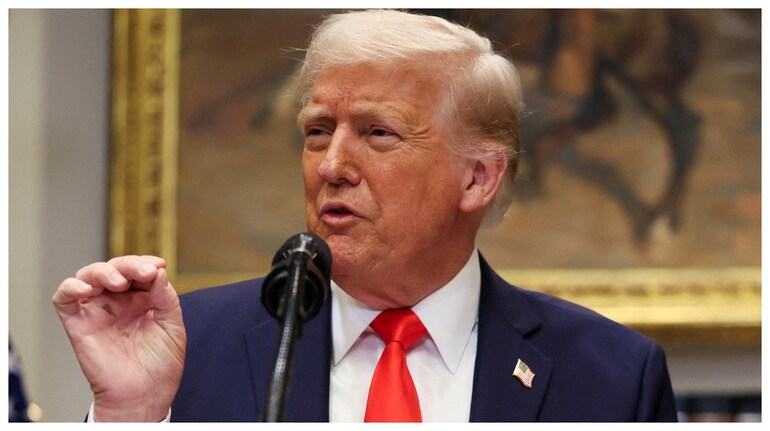
On February 10, 2025, President Trump issued an executive order “Pausing Foreign Corrupt Practices Act Enforcement to Further American Economic and National Security.” The order directs that US authorities review its existing FCPA policies and guidelines for 180 days; and during the period of review, cease initiation of new Foreign Corrupt Practices Act (FCPA) investigations and enforcement actions. While this development has given rise to more questions than answers, it has sparked a lot of interest across borders, especially regarding the potential impact on anti-corruption efforts and corporate compliance practices.
FCPA and its relevance for Indian companies
The FCPA, enacted in 1977, is a US law which is designed to prevent companies from gaining business advantages by bribing foreign government officials. The FCPA’s reach extends beyond the US, and it applies to any US company or person, as well as foreign entities with substantial ties to the US, if the company is found to have sufficient control over or knowledge of the corrupt practices. As such, a US company can be held liable for violations based on conduct of foreign entities including subsidiaries, joint ventures, agents, or other third-party intermediaries. Violations can result in significant sanctions, including hefty fines, disgorgement of ill-gotten gains and prosecution.
For companies operating in India with ties to US entities, the FCPA is an essential consideration, especially since India has increasingly become a focal point for FCPA enforcement actions in recent years. Fines in FCPA cases involving Indian companies have reached millions of dollars. For instance, Cognizant Technology Solutions, Cadbury and Louis Berger International faced allegations of paying bribes to Indian officials, resulting in settlements ranging from $17 million to $25 million. In addition to financial penalties, companies involved in FCPA violations often face criminal investigations and the risk of debarment in India, which can severely damage their reputation and business prospects.
Key takeaways from and developments since the executive order
In understanding the executive order issued by the Trump administration it is important to consider both its implications and limitations.
The order does not repeal the FCPA, meaning bribery and corruption remain illegal. This pause only suspends the initiation of new FCPA investigations, with exceptions permissible on the US Attorney General’s determination.
The executive order appears to focus on securing strategic advantages for U.S. companies in critical industries, including key sectors like critical minerals, deep-water ports, and other essential infrastructure.
The order asserts that the over-expansive and unpredictable FCPA enforcement, particularly against American businesses operating abroad, not only wastes valuable prosecutorial resources but also undermines US economic competitiveness, which in turn jeopardizes national security.
This could result in a more streamlined focus for FCPA enforcement, prioritizing cases that involve egregious violations or activities that directly impact US national interests, rather than routine business practices. As a result, FCPA investigations may become more selective, targeting cases where there is a clear and significant impact on US economic and strategic objectives, potentially reducing the scope of enforcement in less critical situations.
Executive order doesn’t necessarily halt ongoing investigations
While new investigations may be deferred, the likelihood of ongoing enforcement actions continuing cannot be ruled out. Despite the executive order, the DOJ recently indicated its intention to proceed with the trial against Cognizant Technology executives, who are accused of authorising a bribe to Indian officials. However, in a notable development this week, the newly appointed acting US Attorney General requested the US court to put the trial on hold to allow sufficient time for his consideration of the Trump administration’s executive order.
This decision to put the case on hold may reflect the DOJ's interpretation of the executive order's directive to pause new FCPA investigations and litigation, although the specifics behind the changing positions taken by the DOJ remain unclear. Until further clarification or guidance is provided by US authorities, it remains uncertain if and how cases will be streamlined going forward.
Looking ahead
Earlier, US enforcement and policy played a pivotal role in driving global anti-corruption enforcement, and U.S. settlements brought to light corrupt practices in overseas markets such as India, with cases like those involving Cadbury and Louis Berger.
The suspension of FCPA enforcement, while creating uncertainty, does not eliminate the need for businesses to maintain strong anti-corruption practices. Some businesses may view the pause as a chance to cut compliance costs, downsize their compliance teams, or relax their vigilance in screening third-party intermediaries for ease of business. However, this could prove to be a risky and shortsighted approach.
The reality is that bribery remains illegal, both in the US and in India.
FCPA violations can still be investigated long after the initial act of corruption as the statute of limitations for FCPA violations is typically five years, with the potential for extensions. The pause in FCPA enforcement may result in the US's pivotal role in the global anti-corruption fight potentially becoming less prominent in the short term. However, this does not mean a halt of global anti-corruption efforts. Countries like India have made significant strides in strengthening their own regulatory frameworks and this move may not impact Indian companies as much, in view of the regulatory environment already in place.
Indian companies (as also US companies operating in India) are still bound by strong local laws, such as the Prevention of Corruption Act, which has been amended in recent years to include strict liability provisions for commercial entities. It should also not be lost sight of that the anti-bribery law in India provides a defence against bribery for companies that have adequate procedures in place to prevent such activities, even though specific regulations under the Act are yet to be fully established. Statutory auditors are required to report fraud and examine whistleblower reports, with a view of ensuring that businesses maintain robust internal controls and anti-corruption practices. Moreover, while the executive order pauses FCPA enforcement, Indian businesses, particularly multinationals, must continue to comply with other international anti-corruption laws such as the UK Bribery Act, as applicable to their operations.
One notable takeaway from recent developments in the US is the heightened importance of thorough due diligence on third-party relationships to stay ahead in the evolving regulatory landscape. As US priorities shift in FCPA enforcement, it becomes even more crucial for companies to conduct rigorous due diligence, particularly with intermediaries in high-risk sectors or areas with increased potential for cartel involvement or connections to transnational criminal organizations (TCOs). Taking proactive steps now can strengthen anti-corruption compliance and help mitigate future risks.
Overall, while the FCPA pause may potentially provide temporary relief for some businesses, it is essential that companies operating in India continue to prioritize anti-corruption efforts. Contrary to those who view the executive order as a death knell for anti-corruption compliance, the legal and reputational risks associated with corruption remain significant, and the global business environment will only demand more, not less, transparency and accountability from corporations going forward.
(The authors are Partners in Dispute Resolution and White-Collar Crime Practice, Trilegal.)
Views are personal and do not represent the stand of this publication.
Discover the latest Business News, Sensex, and Nifty updates. Obtain Personal Finance insights, tax queries, and expert opinions on Moneycontrol or download the Moneycontrol App to stay updated!
Find the best of Al News in one place, specially curated for you every weekend.
Stay on top of the latest tech trends and biggest startup news.