Subir Roy
The Motor Vehicles Act passed by the Lok Sabha incorporating the 2017 amendments has created waves and secured headlines. Under it, the Delhi area has fined a truck Rs 1.41 lakh for overloading while an autorickshaw has been fined Rs 47,500 in Odisha for plying without any papers.
The situation now is that sometimes the fines at the new rates can exceed the original cost of acquiring the vehicle in question.
Unsurprisingly, several states (this legislation comes under the concurrent list which allows states the right to exercise their discretion in enforcing the law) will not levy the new rates for fines whereas others will reduce them. It is understood that some Congress- ruled states like Punjab and Rajasthan, as also non-NDA ones like West Bengal, Kerala and Telangana, have decided not to fall in line. But the list also includes those like Karnataka, Gujarat and Maharashtra where the BJP is in power.
It is common sense that a new law, in its total impact, should not make things worse than what they were before. How do the new changes measure up against that yardstick?
Globally, India ranks high in road related offences which take a massive toll in terms of lives and disabilities, not counting the economic cost of damage to vehicles. So, it is high time the punishments under the old law were made far stricter.
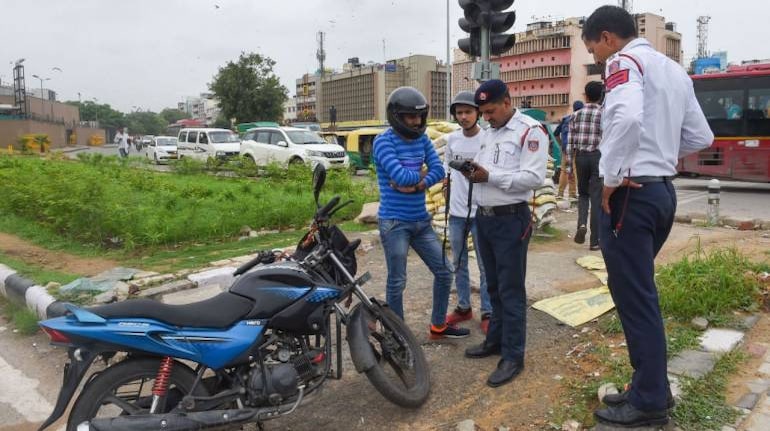
But the critical issue is: How far do you go? India is also notorious for rent seeking and harassment by its law enforcers. It is a common experience of drivers that when you have got into an argument with a traffic cop and the fearsome sergeant on a motorbike with a challan book in hand is around, you are threatened with being booked for multiple offences – say, not just for jumping a red light but also “rash and negligent driving” thrown in.
Then, you have the option of saying sorry and paying up for the original offence or have your papers taken away and be told to “appear in court tomorrow” to get them back. This is not counting pure corruption, that is when you find you have the option to pay a smaller amount than the official fine and walk away.
The sum of all this is: Fines should be made truly steep so that they act as a deterrent but not so steep that they provide scope for unbearable harassment and massive corruption. A look at the new rates compared to the old ones will tell us how high is too high.
Now, it is absolutely unpardonable to drive without a driving licence or insurance. So, punishment for these offences should be really steep. It is also unpardonable to drive when you are drunk. But the issue is, how do you determine drunkenness? How do you know that the device being used is properly functioning and correctly calibrated?
It is also unpardonable to seriously overspeed or drive rashly as these put the lives of other road users at risk. But how do you determine these offences? Through testimonies or only through CCTV footage? Should all urban roads be put under CCTV coverage end to end?
There are provisions for punishing offences by commercial vehicles like not having a proper permit or overloading. Now, take a routine sight on prominent Kolkata streets around 10 pm. (Commercial vehicles are not allowed to enter the city before that.) Any number of road barriers are put up with two or three police personnel next to them. Commercial vehicles are routinely stopped at these barriers for offences or simply to check their papers. Levies are officially imposed, but it is widely believed that enforcers are also open to “take” and its proceeds go right up the official chain. This is organised corruption over traffic offences at play openly.
With a system as broken as this, how do you impose steep punishments for offences, particularly when you can end up in jail for a few months which can seriously damage your career or overall life? What bribe you will not offer to get away from a situation like this, irrespective of whether you are being charged fairly or unfairly!
Subir Roy is a senior journalist and author. The views expressed are personal.

Discover the latest Business News, Sensex, and Nifty updates. Obtain Personal Finance insights, tax queries, and expert opinions on Moneycontrol or download the Moneycontrol App to stay updated!
Find the best of Al News in one place, specially curated for you every weekend.
Stay on top of the latest tech trends and biggest startup news.