






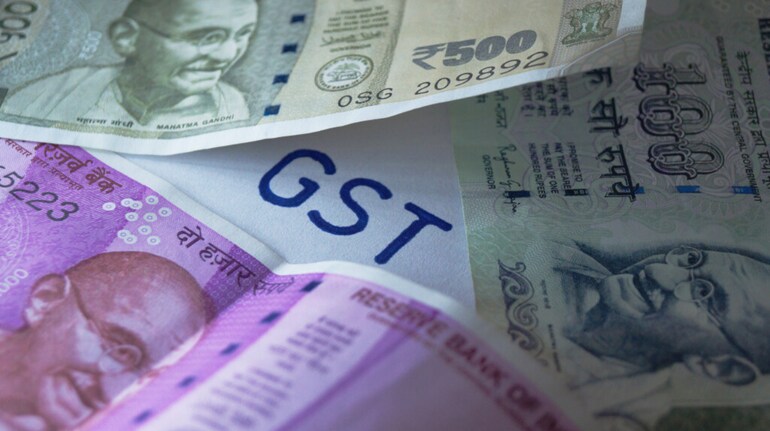
The Goods and Services Tax structure may soon get a new tax rate. GST Council’s group of ministers which is dealing with rationalisation of rates is expected to propose a slab of 35 percent for items such as cigarettes and aerated beverages which presently attract a tax rate of 28 percent.
At present, items which fall within the ambit of GST are classified into seven categories: nil-rated items such as milk, 0.25 percent, 3 percent, 5 percent, 12 percent, 18 percent and 28 percent. For some items in the 28 percent slab, there’s a cess levied which results in a higher effective tax.
Adding another slab to this structure will make it more complicated and represents a regression from the initial hope of moving towards fewer slabs that would lead to a one-rate structure in the medium-term. One way of making sense of this trend is to take a look at how the GST Council has worked towards reducing the average rate even when both the union government and states have had to deal economic shocks after the rollout of GST in 2017. In trying to reconcile a reduction in the average GST rate with fiscal pressure arising from shocks, the GST Council has no choice but to create a new slab above the 28 percent category.
Average rate trends downwardIn May 2017, a Reserve Bank of India study estimated that the weighted average GST rate was 14.4 percent. On December 2, finance minister Nirmala Sitharaman informed Parliament that the weighted average rate for 2023-24 was 11.64 percent. The average rate has declined almost three percentage points since GST was rolled out in 2017.
Lopsided structureAn important reason for the decline in the average GST rate is that there have been many instances of taxes items being moved to a lower slab. A consequence is that more than half of the average monthly per capita expenditure is taxed at 5 percent or lower.
Sacchidananda Mukherjee of the National Institute of Public Finance and Policy used CMIE’s Consumer Pyramids Household Survey for 2021-22 to distribute all-India average monthly per capita expenditure (MPCE) spread over 123 items of household consumption across GST tax slabs.
. The outcome was that up to 57.6 percent of average MPCE attracted a tax rate of 5 percent or lower. Almost 25 percent of MPCE attracts no GST. Another 14.5 percent of average MPCE constitutes items which are outside the purview of GST. This for all practical purposes leaves just 28 percent of average MPCE items which can attract a tax rate of above 5 percent.
This lop-sidedness means that while the average GST rate in 2023-24 was 11.64 percent, about 70-75 percent of the GST revenue came from the 18 percent slab rate. The tax base that attracts a GST rate below the 11.64 percent average is so large that the GST Council has left itself with no option but to create a new slab around three times the average rate in an effort to generate adequate revenue.
Prior to GST’s roll out, a committee headed by then chief economic advisor Arvind Subramanian recommended a revenue neutral rate of 15-15.5 percent in December 2015. RNR represents a single rate which preserves revenue at current levels. In practice, there will be a structure of rates, said the Subramanian committee.
This committee hoped that the GST structure would trend towards a single rate in future.
We are moving in the other direction as the rate structure is likely to soon get another slab. Tax pundits are likely to criticise this trend but it reflects the reality of India’s political economy. GST Council, where all the major political parties of the country are represented, complicates matters through consensus. The gulf between what politicians confront, followed by their default response, and what pundits desire cannot be bridged.
Discover the latest Business News, Sensex, and Nifty updates. Obtain Personal Finance insights, tax queries, and expert opinions on Moneycontrol or download the Moneycontrol App to stay updated!
Find the best of Al News in one place, specially curated for you every weekend.
Stay on top of the latest tech trends and biggest startup news.




