





The clash of intra-generational and inter-generational equity is fast becoming a defining feature of modern policy-making. Should the concerns of future sustainability override the misery of today’s poverty? The Geneva-based World Trade Organization (WTO) is grappling to find the balance, having failed to negotiate an agreement of fisheries which first came up for consideration in the Doha ministerial event in 2001.
In two decades since Doha, the WTO has not been able to address harmful fishing subsidies in three pillars — illegal, unreported and unregulated (IUU) fishing, overfished stocks (OF), and overcapacity and overfishing (OCOF). Each of this is a significant problem for marine biodiversity, with industrial fishing bringing several species perilously close to extinction.
The Sustainable Development Goal 14.6 coined by the United Nations envisaged the WTO acting on harmful fishing subsidies by 2020. The WTO Ministerial Conference 12 (MC-12) will soon be taking up a proposal towards an agreement in Geneva. Attempts have been made to seal an agreement in the past ministerial meetings in Hong Kong (2005), Geneva (2011), Nairobi (2015), and Buenos Aires (2017), all resulting in deadlocks.
The MC-12, which takes place between June 12 and 15 in Geneva, offers a concrete opportunity to the WTO to reclaim its international relevance in this key area of global climate action. The future of the global fishing stock, and indeed the fishing industry is at stake. However, an agreement can only be reached if the WTO membership undertakes genuine introspection.
A fisheries agreement will only work if the members which are large fishing nations stop misusing environmental sustainability as a non-tariff barrier. When the WTO was formed, agreements on agriculture and subsidies and countervailing measures were designed in such a skewed way, developed countries got the ability to retain and further pump in government support where they wanted.
On the other hand, the developing countries were stripped of the future rights to support their industrialisation. In fact, the WTO stigmatised the concept of industrial policy itself. This approach cannot repeat for fisheries.
Of all the harmful global subsidies attacking the global fishery sector, 22 percent comes only fuel subsidies. The developed countries are trying to retain their non-specific fuel subsidies — cheap fuel not meant only for a specific industry — and continue polluting the oceans. They are pushing the developing world to stop specific fuel subsidies for fishing. Usually these targeted incentives are deployed by resource-constrained countries to support a smaller economic objective.
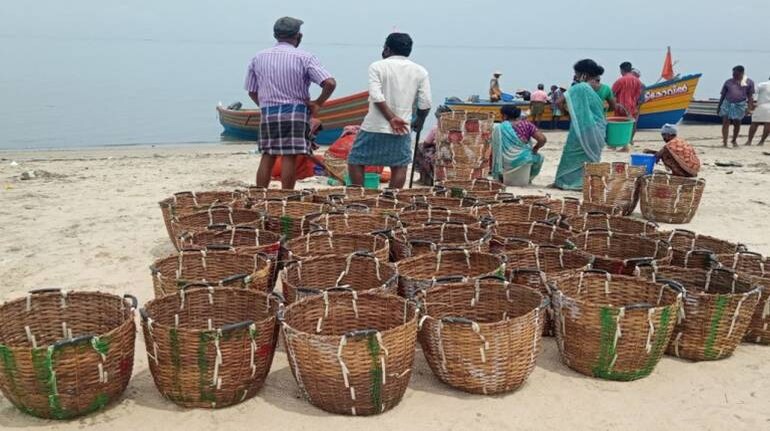
Developed countries, whose industrial fishing fleets resemble floating factories on the high seas, want to continue subsidising these monstrosities fishing thousands of miles from their coastline. They are instead asking small fishermen from countries like India operating in exclusive economic zone to take a subsidy cut.
Some fishing countries have also been insisting that there should be an international determination of what are overfished stocks. For countries like India, where fishermen have lived with the nature, and themselves take care of the ecosystem which sustains their livelihood, these are overbearing demands.
India should also retain the ability to develop a high seas fishing industry in the future. If marine resources are treated as global commons, no country should be excluded from exploiting them responsibly and sustainably. The principle of polluter pays is well enshrined in international environment law, so polluters of yesterday and today cannot penalise potential industrialisers of tomorrow.
With its big coastline, several Indian states provide livelihood support to artisanal fishermen during the lean season, when they cannot venture into the sea. The WTO negotiations also seek to bring such income support in the ambit of harmful subsidies deeming them contributory to overcapacity and overfishing — which is an absurd argument.
Most of the Indian fishing is for hyper-local consumption, with some domestic circulation of fish. This design necessitates flexibilities for India to allow use of its coastal waters without international scrutiny. It remains to be seen if the WTO membership will grant this sovereign flexibility without deploying prying constraints of international commitment.
A balanced agreement that takes into account the genuine concerns of members like India and others in the same proverbial boat will go a long way in demonstrating that the WTO is not a cosy club run by select rich countries. However, if a fisheries agreement giving transitional space to the developing countries is not concluded in MC-12, it will put serious question mark on the relevance of the WTO itself. The big fishes of global trade cannot afford to be labelled cold fish in Geneva.
Nimish Joshi is Director of Smahi Foundation of Policy & Research. Views are personal, and do not represent the stand of this publication.
Discover the latest Business News, Sensex, and Nifty updates. Obtain Personal Finance insights, tax queries, and expert opinions on Moneycontrol or download the Moneycontrol App to stay updated!

Find the best of Al News in one place, specially curated for you every weekend.
Stay on top of the latest tech trends and biggest startup news.




