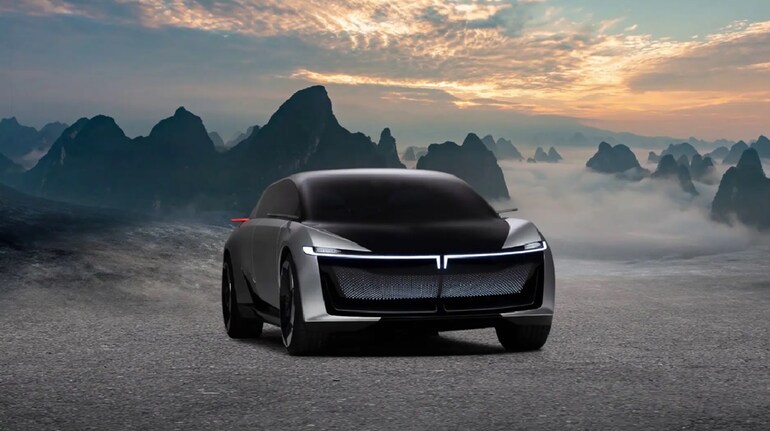
The evolution of the Indian automotive industry is a remarkable tale of innovation and resilience, shaped by the aspirations of a growing economy and the ingenuity of its people. From the introduction of iconic models in the 1980s, which made cars accessible to a larger segment of the population, to the present-day advancements in electric and connected vehicles, the industry’s transformation has been extraordinary.
In 2024, India solidified its position as one of the largest automobile markets in the world, registering a 12.5% growth in FY24. This growth is driven by shifting consumer preferences, government initiatives, and advancements in sustainability and technology. Key initiatives such as Bharat NCAP (B-NCAP), the Production-Linked Incentive (PLI) scheme, and the CAFÉ standards are pivotal in fostering innovation and enhancing global competitiveness. These efforts come when the global automotive industry is experiencing significant disruption, positioning India as a leader in this transformation rather than just a follower.
Changing consumer trends in the Indian automotive market
The preferences of Indian consumers have redefined the industry’s focus in 2024, steering it toward vehicles that combine utility, technology, and sustainability. The shift in customer sentiment from hatchbacks to SUVs has been profound, with SUVs now dominating the market. Continuous innovations in SUV design, safety features, and performance capabilities have made these vehicles more appealing.
Environmental consciousness is propelling change, leading to the rise in EV and CNG registrations. Compared to H1 2023, the first half of 2024 saw sustained demand in EV registrations, while CNG sales between January and August surged by 46% year-on-year. This underscores the impact of rising fuel prices, enhanced environmental awareness, and supportive government policies.
Additionally, increasing awareness regarding vehicle safety through initiatives like B-NCAP ratings has made safety a non-negotiable priority for Indian manufacturers.
Headwinds for the Indian auto industry
Despite these advancements, the automotive industry in India faced several pressing challenges in 2024. Infrastructure limitations remain barriers to seamless mobility, and addressing these gaps is essential for accelerating EV adoption and improving overall accessibility.
Additionally, Indian manufacturers must contend with stiff competition from global automotive players, demanding continuous innovation and strategic collaborations to maintain a competitive edge. Rising costs for raw materials, labor, and energy (compounded by global supply chain disruptions) further strain profitability and operational efficiency, underscoring the need for cost optimisation.
Dealer partners are also grappling with inventory-related headwinds. While certain manufacturers effectively manage low inventory levels through just-in-time production and advanced analytics, others face overstocking, reducing profitability for their channel partners. Excess inventory increases holding costs and risks obsolescence, while shortages impact customer satisfaction. Addressing these disparities is vital to ensure a healthier dealer ecosystem and sustained growth.
Government measures paving the way for 2025 and beyond
Recognising the industry’s significance, the Indian government has introduced several initiatives to overcome challenges and foster growth. The Scheme for Setting up Semiconductor FABs in India is a crucial step toward reducing reliance on imports and strengthening the domestic supply chain for automotive electronics. Furthermore, the PM Surya Ghar Muft Bijli Yojana, a significant initiative launched by Prime Minister Narendra Modi, promotes solar power, which will also help strengthen EV infrastructure by advocating zero cost and zero emission mobility.
The Production-Linked Incentive (PLI) scheme is critical in encouraging manufacturers to localise production, offering incentives that promote domestic manufacturing and innovation. This strategy not only strengthens India’s position in the global automotive market but also fosters inclusivity by supporting a diverse range of EV segments, including two-wheelers and commercial vehicles while paving the way for a more sustainable automotive ecosystem.
The government’s focus on building EV and CNG infrastructure is a key part of its broader vision to achieve net carbon zero. By promoting greener forms of fuel, these initiatives are designed to create a sustainable transportation ecosystem that supports the transition to cleaner, more efficient mobility options. Schemes like the PM Electric Drive Revolution in Innovative Vehicle Enhancement (PM E-DRIVE) initiative will not only contribute to reducing carbon emissions but also ensure long-term growth by fostering a more sustainable and environmentally friendly future for the automotive industry.
Conclusion
The Indian automotive industry is entering a transformative phase, shaped by consumer preferences and government-led initiatives. While challenges persist, the sector’s focus on innovation, collaboration, and sustainability ensures a promising future. With the foundation laid for growth and adaptation, the industry is set to lead in technology, environmental stewardship, and consumer satisfaction by 2025. India’s automotive sector is not just keeping pace with global developments but actively driving change, paving the way for a more sustainable and connected future.
Investing in electric, autonomous, and connected vehicle technologies is essential for manufacturers to remain competitive. This drives innovation while balancing affordability and profitability. Ensuring robust cybersecurity measures further reinforces data privacy and vehicular safety as key business priorities.
Discover the latest Business News, Sensex, and Nifty updates. Obtain Personal Finance insights, tax queries, and expert opinions on Moneycontrol or download the Moneycontrol App to stay updated!
Find the best of Al News in one place, specially curated for you every weekend.
Stay on top of the latest tech trends and biggest startup news.