Two weeks after the deadly Pahalgam attack shocked and outraged the nation, India early Wednesday gave a befitting response to terrorists operating from Pakistani soil by targeting as many as nine sites in the neighbouring country and Pakistan-occupied-Kashmir.
Dubbed "Operation Sindoor", in a fitting tribute to the widows of the 26 men killed brutally by the terrorists in the April 22 attack, the Indian Army, Air Force and Navy launched a joint operation to strike deep inside Pakistani territory and target terror infrastructure.
Operation Sindoor: Live updates
As expected, Pakistan has described India's retaliation as an "act of war" and has promised to respond to the action at a "time and place of its choosing".
The attack, which bears resemblance to the Balakot airstrikes of 2019 when India struck Jaish-e-Muhammed camps, has thrown the region into a state of uncertainty with both sides on high alert.
Here's how the escalation, the worst since 2019, may play out:
Pakistan’s Military Retaliation: Pakistan may launch some sort of military response, such as missile strikes or cross-border fire, to show strength without escalating into a full-blown war. This would largely be to appease domestic audiences and maintain deterrence. However, India is prepared for all eventualities and will be ready in case of any escalation from across the border.
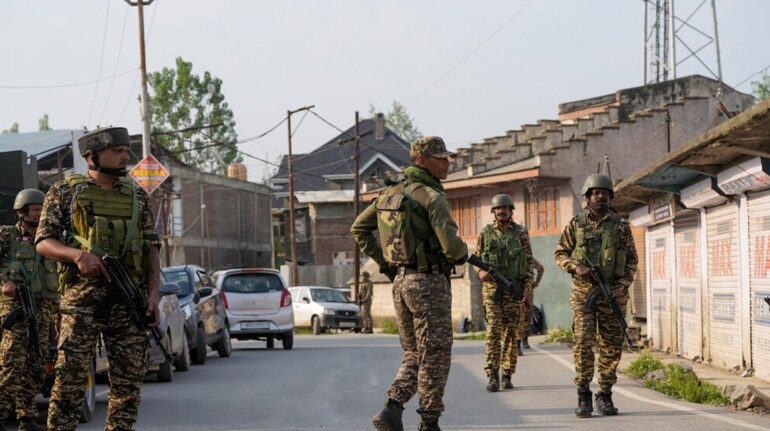
High Alert in India: India will be on a high alert over the next few days with heightened security in border areas and major cities. It will also be on high alert for terrorist strikes inside Jammu and Kashmir as part of retaliation by Pakistan. All air defence units along the border are fully activated to counter any potential retaliation from Pakistan.
Escalation Across the Line of Control (LoC): Heavy shelling and troop movement along the LoC will increase, raising the risk of accidental or intentional escalation. Through the night, heavy shelling was witnessing from the Pakistani sides after India's strikes. Indian security forces guarding the border also retaliated and the cross-border shelling between the two sides was going on when the last reports were received, officials said, adding the Pakistani shelling forced the people to take refuge in underground bunkers.
International Pressure: Global powers like US, China and UN are expected to step in, urging restraint and offering mediation to prevent further escalation. UN has already urged both sides to exercise maximum restraint. US President Donald Trump hoped that the issue is resolved quickly. Separately, US Secretary of State Marco Rubio has urged the National Security Advisors of both countries to keep lines of communication open and avoid escalation. A wider conflict in the region will have global implications, adding to the volatility caused by Donald Trump's presidency.
Pakistan's Victim Card: Pakistan may also try to play the victim card in its bid to internationalise the issue and portray India as the aggressor. On its part, India said that it did not strike any military sites in Pakistan and the attack itself was not an attempt to escalate the situation. However, Pakistan is dubbing India's action as an act of war and will try to get the attention of UN and its traditional backers to corner New Delhi.
Misinformation: Amid the heightened tensions, misinformation campaigns are also expected from Pakistan in a bid to dilute the success of Operation Sindoor and show that it has retaliated strongly to India's action. Already, several Pakistani handles on X are claiming that the country has shot down Indian jets or drones with the help of misleading or old images. Fact-checkers have been flagging such posts.
Discover the latest Business News, Sensex, and Nifty updates. Obtain Personal Finance insights, tax queries, and expert opinions on Moneycontrol or download the Moneycontrol App to stay updated!
Find the best of Al News in one place, specially curated for you every weekend.
Stay on top of the latest tech trends and biggest startup news.