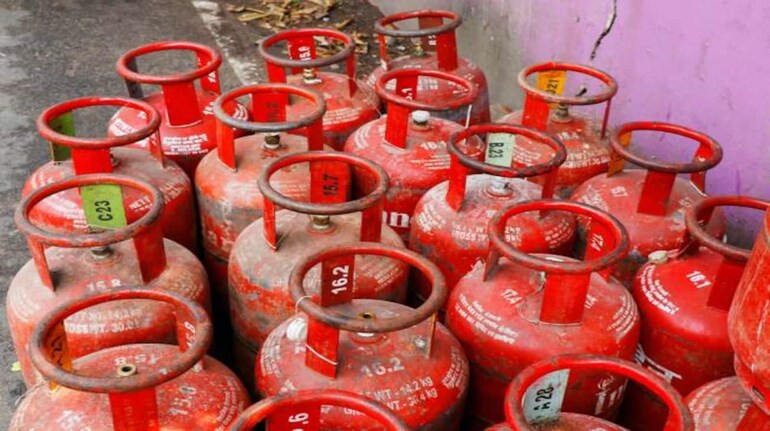
Aiming to manage the shortage fears of LPG (liquefied petroleum gas or cooking gas) supply in the country, which has taken a hit due to the ongoing conflict in West Asia, the government is moving to ease pressure by activating alternative fuel options like kerosene, fuel oil, biomass and even coal to ease pressure on LPG for consumers.
The government has decided to allocate for commercial use 20% of the average monthly commercial LPG requirement. This will be done in coordination with state governments, according to a report by the Indian Express.
Moreover, as a demand management measure amid panic booking by household consumers, the minimum gap between cylinder bookings by households in rural and remote areas has been increased to 45 days, while for urban households, it continues to be 25 days. The minimum gap used to be 21 days earlier, but was increased to 25 days after the conflict started.
Pushing use of kerosene, coal
The government is bringing back and pushing for the use of kerosene after over a decade of it launching the Ujjwala scheme, aimed at doing away with coal and firewood for domestic use and replace kerosene with LPG as cooking fuel.
In its latest bid, the government has allocated 48,000 kilolitres (kl) of additional kerosene to states on top of the regular quota of 1 lakh kl for use as cooking fuel by households, according to a report by news agency PTI.
It has also asked environmental bodies to permit the use of biomass, RDF pellets and coal as alternate fuel for commercial bodies in the hospitality and restaurant sectors for one month, PTI reported, citing a senior oil ministry official.
Noting that bookings for LPG cylinders have shot up multifold due to misinformation and concern, the government also appealed to consumers to not fall prey to panic and avoid rush-booking of cylinders.
“Alternate fuel options are being activated to ease pressure on LPG and gas channels. Kerosene is being made available through retail outlets and PDS channels, and fuel oil is being made available for industrial and commercial consumers. The MoEFCC (Ministry of Environment, Forest and Climate Change) has advised State Pollution Control Boards to permit, for the duration of this crisis period, the use of biomass, RDF (Refuse-derived fuel) pellets, and kerosene/ coal as alternate fuels for the hospitality and restaurant segment for one month, which would enable a wider range of establishments to switch and free up LPG for priority consumers,” Union Petroleum Minister Hardeep Singh Puri said in Lok Sabha, IE reported.
Given the crisis, the government has invoked the Essential Commodities Act to prioritise LPG supplies to households over commercial and industrial consumers, ordered refiners to maximise LPG production, and directed them to divert propane, butane, and other streams from petrochemical production to LPG production.
What has led to the shortage?
Following the closure of the Strait of Hormuz, a narrow sea lane between Iran and Oman through which India obtains more than half of its 5.8 million barrels of crude oil, 55% of cooking gas LPG and 30% of its liquefied natural gas (LNG), the supply has been largely affected due to the halt in maritime traffic.
Oil companies are prioritising supply of LPG to household kitchens while cutting back on commercial users like hotels and restaurants.
With certain measures helping raise domestic LPG production by 28% and some alternative sources being tapped overseas, the government has decided to allow some sale of commercial LPG to meet a fifth of the demand, PTI reported, citing Sujata Sharma, Joint Secretary in the Oil Ministry.
"The state governments will have to identify the beneficiaries," Sharma said.
Discover the latest Business News, Sensex, and Nifty updates. Obtain Personal Finance insights, tax queries, and expert opinions on Moneycontrol or download the Moneycontrol App to stay updated!
Find the best of Al News in one place, specially curated for you every weekend.
Stay on top of the latest tech trends and biggest startup news.