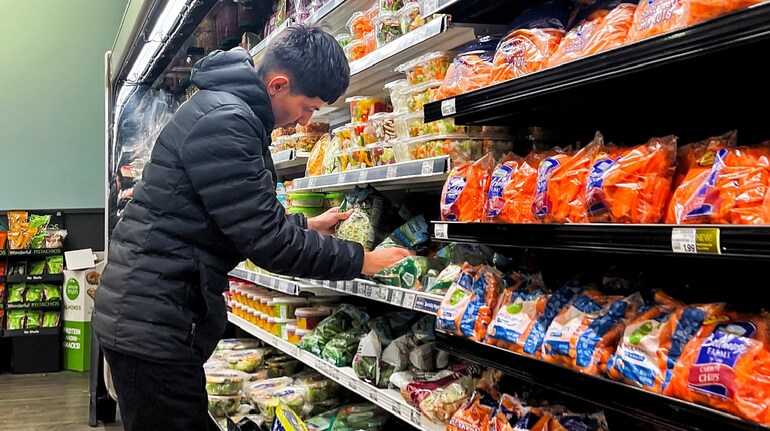
U.S. consumers spent slightly more at retail stores last month after ramping up their shopping in March to get ahead of tariffs.
Sales at retail stores and restaurants rose just 0.1% in April from March, the Commerce Department said Thursday. That is much lower than the previous month’s 1.7% gain, which reflected a surge in car sales as consumers sought to get ahead of President Trump’s 25% duty on auto imports that went into effect this month.
Last month’s tiny increase after the March surge makes it harder to get a clear read on consumer spending trends and reflects the ongoing turmoil and uncertainty in the economy in the wake of Trump’s stop-and-go tariff policies. Many publicly-traded companies have withdrawn or held off on the traditional practice of forecasting their revenues and earnings for the rest of this year because the economic landscape has become so chaotic.
Meanwhile, Americans are increasingly gloomy about the economy’s prospects, according to sentiment surveys.
In April, sales were flat or down for many retailers: They plunged 2.5% at sporting goods stores, which saw prices jump last month, according to the government’s inflation report earlier this week. Sales dropped 0.4% at clothing stores, while they ticked down 0.2% at health and personal care stores and slipped 0.1% at auto dealers.
Gas station sales dropped 0.5%, even as prices declined 0.1%. The figures aren’t adjusted for price changes.
Trump imposed sky-high tariffs on imports from China last month that fueled fears of a recession, higher inflation, and even the specter of empty shelves by the winter holidays. But on Monday the U.S. and China announced a deal that sharply reduced the duties, at least partly assuaging those concerns.
Retailers still face a lot of uncertainty around tariffs and how shoppers will react to higher prices after several years of sharply rising costs.
A government report, released Tuesday, showed that inflation cooled for the third straight month in April, though economists and many business owners expect inflation will climb by this summer.
Trump had imposed massive 145% import taxes on Chinese goods last month, thought they were reduced to 30% for the next 90 days in a deal announced Monday. China reduced its retaliatory duties to 10% from 125%.
Also Thursday, retail giant Walmart said its sales grew at a solid pace in the quarter ended April 30, as their customers stepped up purchases of groceries, toys, automotive goods and kid’s clothes. Yet profits slipped and CEO Doug McMillon said the company would soon raise prices to offset the impact of tariffs.
Discover the latest Business News, Sensex, and Nifty updates. Obtain Personal Finance insights, tax queries, and expert opinions on Moneycontrol or download the Moneycontrol App to stay updated!
Find the best of Al News in one place, specially curated for you every weekend.
Stay on top of the latest tech trends and biggest startup news.