-
My Account











Trending Topics:
- Sensex Live
- Union Budget 2026
- IPO This Week
- Kuku IPO
- Gold Rate Today
Slideshow | Citizens of these countries once paid billions for a loaf of bread
Read on to find out more about countries that have made billionaires of its citizens, with no real prosperity to back it.




1/11
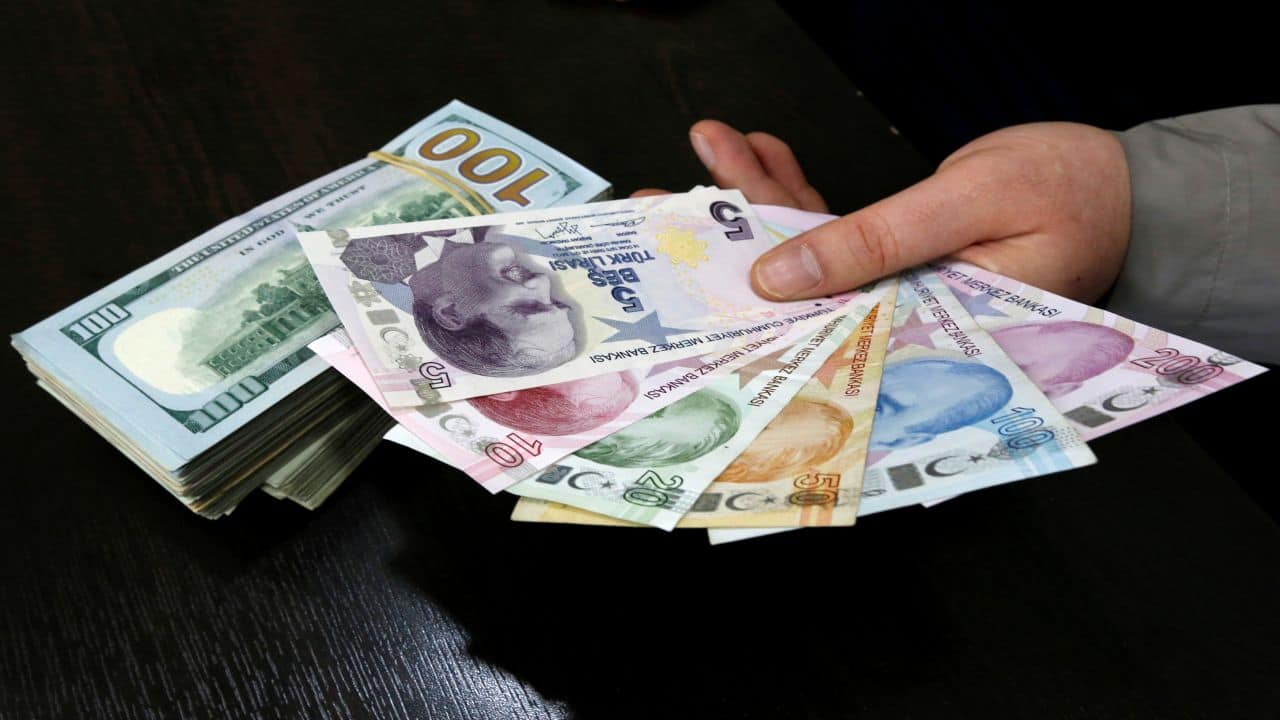
With the fall in the value of the Turkish lira making headlines, it brings back memories of other countries that have seen inflation spiral out of control. Read on to find out more about countries that have made billionaires of its citizens, with no real prosperity to back it. (Image: Reuters)
2/11
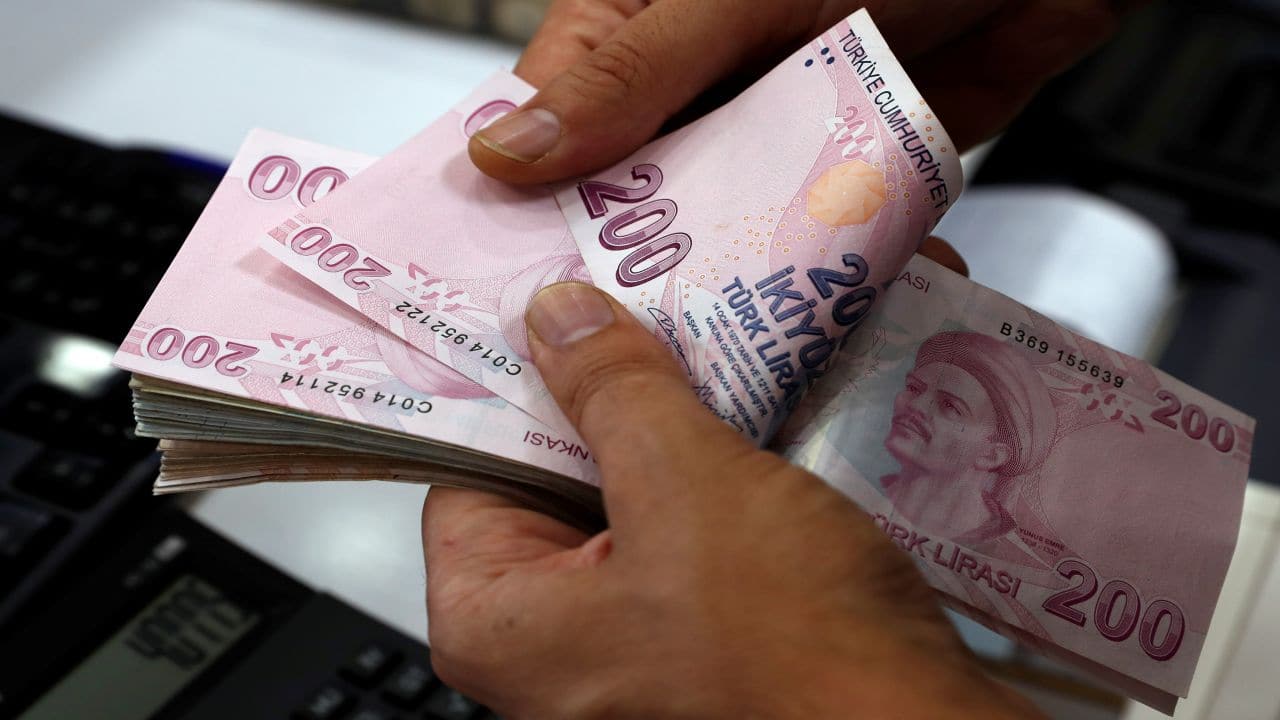
The imposition of trade tariffs on Turkish exports by US President Donald Trump sparked a sharp decline in the lira. The currency fell a fifth of its value against the dollar last week, and almost 50 percent in the past year. The fall has been creating ripples across global markets, particularly in economies that are exposed to the lira. Its drop has also been accentuated by a high current account deficit, debt and inflation, which stood at 15.9 percent in July. (Image: Reuters)
3/11
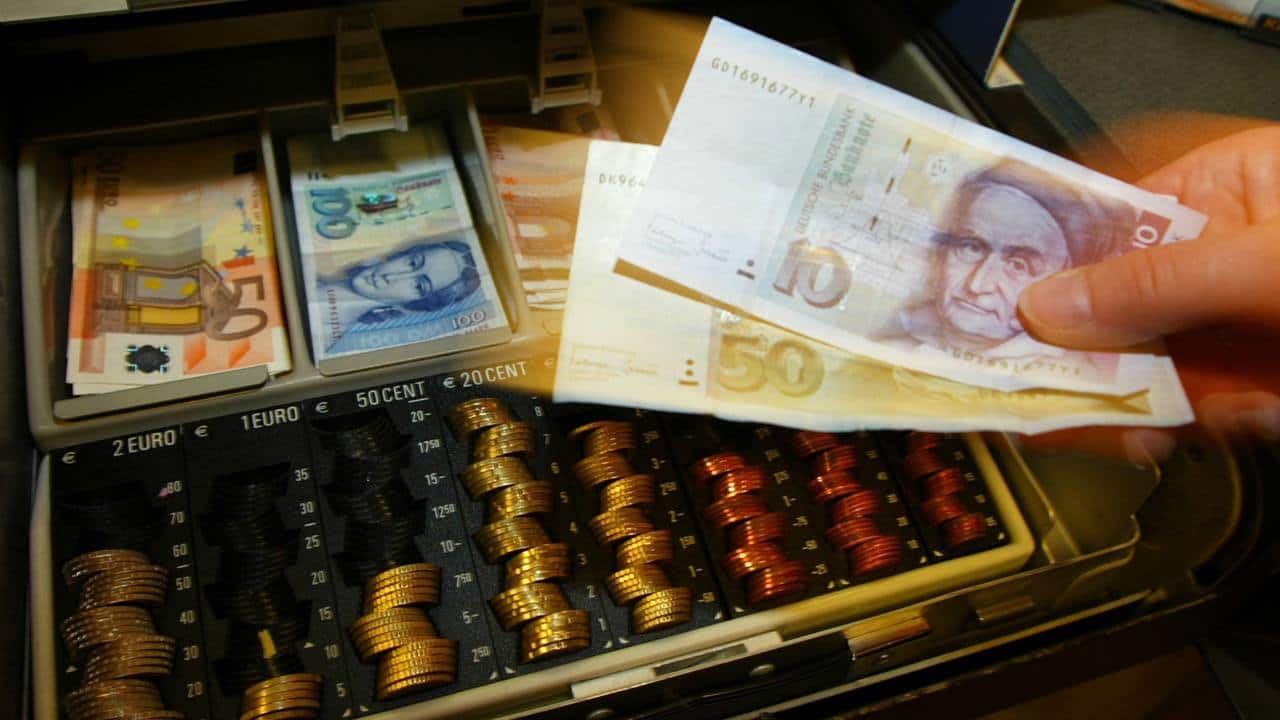
World War I crippled the German economy as it faced one of the worst cases of hyperinflation. The German government, to finance its military, printed marks with no backing. It eventually lost the war and was strapped with massive debt. Reparations were to be paid to allies under the treaty of Versailles. The exchange rate of the German mark to the dollar rose from 4.2 to one in 1914, to 4.2 trillion to one in 1923, raising panic and mistrust. The images of wheelbarrows full of currency used to pay labour wages and children stacking up wads of useless notes to make play houses first captured the public's imagination in this turbulent period of the German economy. (Image: Reuters)
4/11
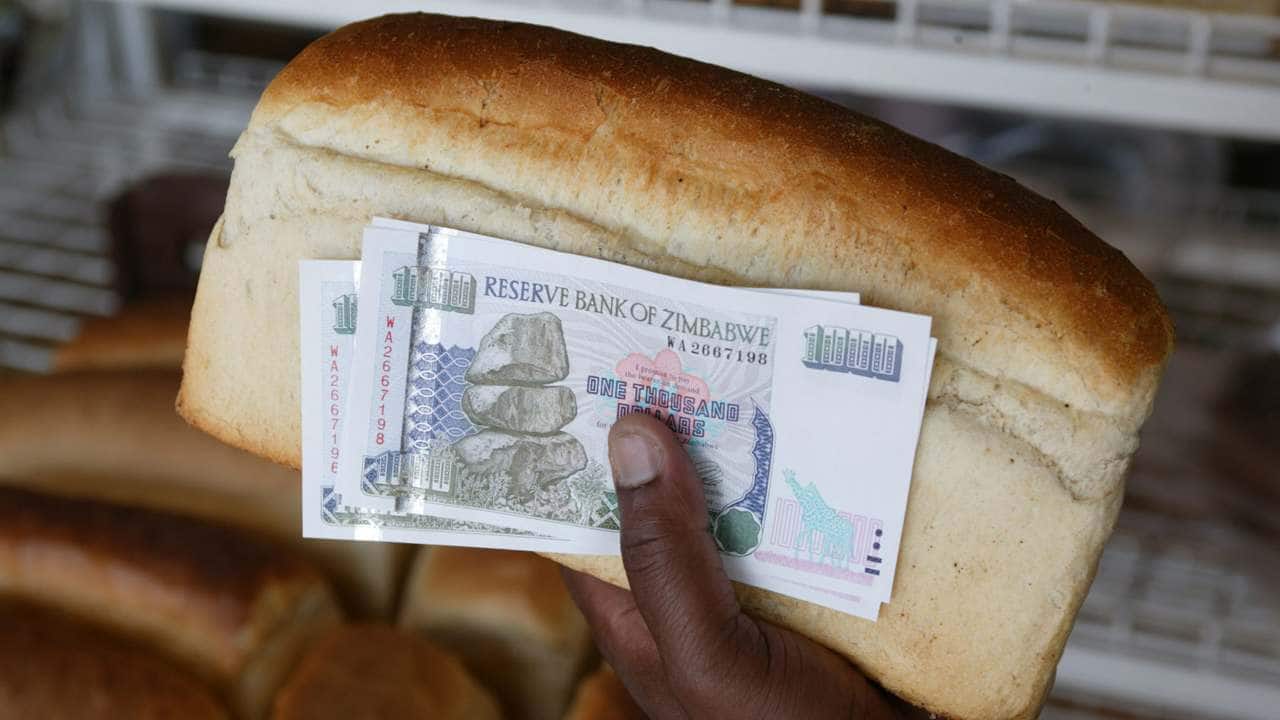
Zimbabwe attained freedom from the British colony of Southern Rhodesia in 1980. In the 90s, then president Robert Mugabe carried out a set of land reforms that were meant to redistribute landholdings in the hands of black citizens. However, the farmers that were granted land were inexperienced to produce satisfactory output, creating a shortage of food. Tobacco, which accounted for one-third of the country’s foreign exchange earnings, was not cultivated to a satisfactory level. This, coupled with a sharp fall in manufacturing output, rise in unemployment by as much as 80 percent meant the economy was in shambles in the late 2000s. Lack of faith in the value of Zimbabwean dollar reached its peak when the government rolled out the 100 trillion dollar note. While the government eventually gave up printing statistical inflation data, the peak of its inflation was estimated to have reached 79.6 billion percent in mid-November 2008. By 2015, the country was forced to abandon its currency and had to resort to the dollar as legal tender. (Image: Reuters)
5/11

Venezuela is bracing itself for the eventuality that inflation will hit one million percent in 2018. The price of food and medicines continue to skyrocket, creating a shortage and humanitarian crisis in the socialist country. Venezuela’s economy contracted 40 percent in the last five years. The oil sector, which accounts for 95 percent of the country’s exports, has seen a dismal production rate after driving out private players. President Nicolas Maduro's idea of lopping off three zeroes from the end of the currency is seen as a cosmetic effect by many. (Image: Reuters)
6/11
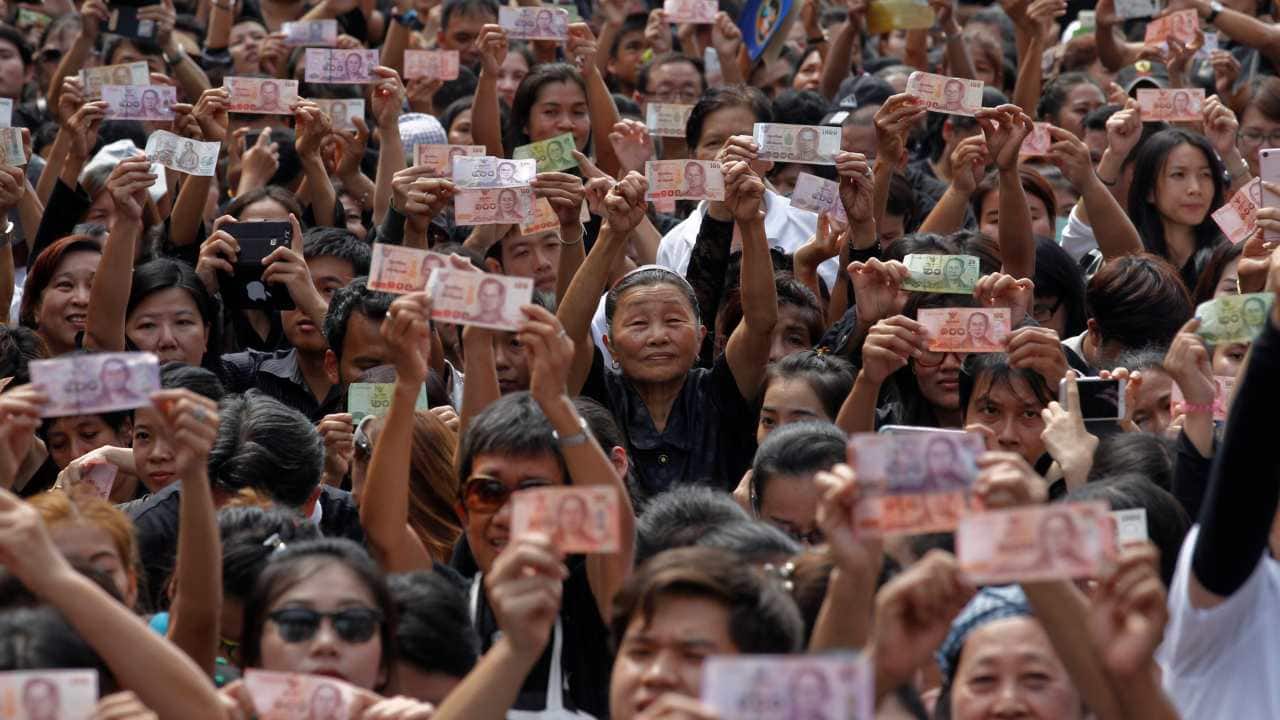
Thailand’s currency, the Baht, sharply devalued in 1997 over a speculative attack that involved speculators borrowing large amounts of the Thai Baht and converting them to foreign currency. The value of the Baht is decided by the amount of foreign reserves held. Lower the foreign reserves held by Thailand, lower would be its value with respect to the greenback. When speculators convert the Baht to foreign currencies, it prompts an outflow of foreign reserves that was used to peg that Baht’s value with respect to the dollar. Once these foreign reserves of Thailand were depleted, its currency was forced to float, which prompted a sharp drop in its value. The speculators would then exchange the money back to the Thai Baht, paying back its loans and earning profits in the process. This attack, coupled with its foreign debt that it was unable to service, essentially led to a financial crisis in Thailand and surrounding nations: Indonesia, South Korea, and to a lesser extent, Hong Kong, Laos, Malaysia and the Philippines. Eventually, the IMF stepped in with a $40 billion programme to usher stability to the currencies of South Korea, Thailand, and Indonesia. (Image: Reuters)
7/11
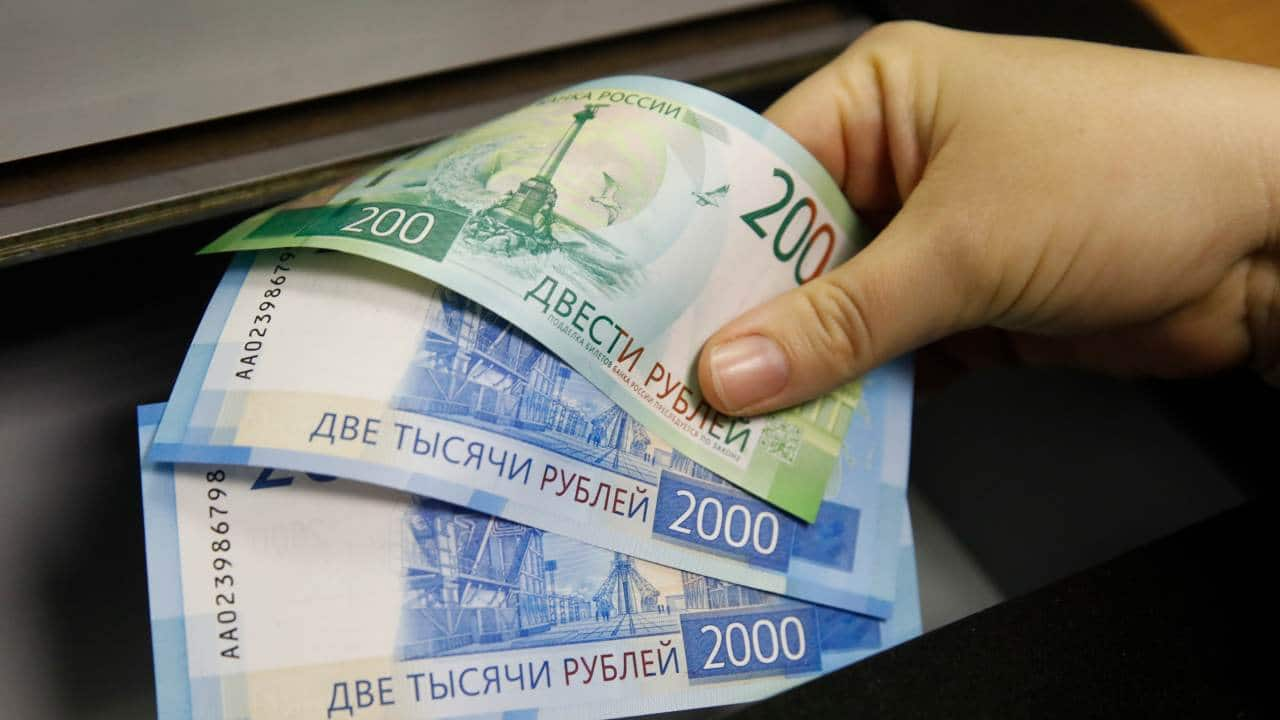
The crisis in Taiwan had a cascading effect on the economy of Russia. The country’s $5.5 billion expenditure on the Chechnya war of 1995, its poor economic output, a wide fiscal deficit put pressure on Russia’s economy. The decline in the demand for crude oil and non-ferrous metals also hurt Russia’s foreign exchange reserves. Russia tried to maintain the price of the rouble, but it did not have a clear fiscal of monetary policy in place to tackle the issue. As a result, investors lost confidence and took flight from Russian assets. Russia approximately spent $27 billion of its US dollar reserves. The IMF presented Russia with a $22.6 billion package to stem the tide of the falling currency. Nonetheless, the rouble saw an inflation by 83 percent, with several banks being forced to close down. (Image: Reuters)
8/11
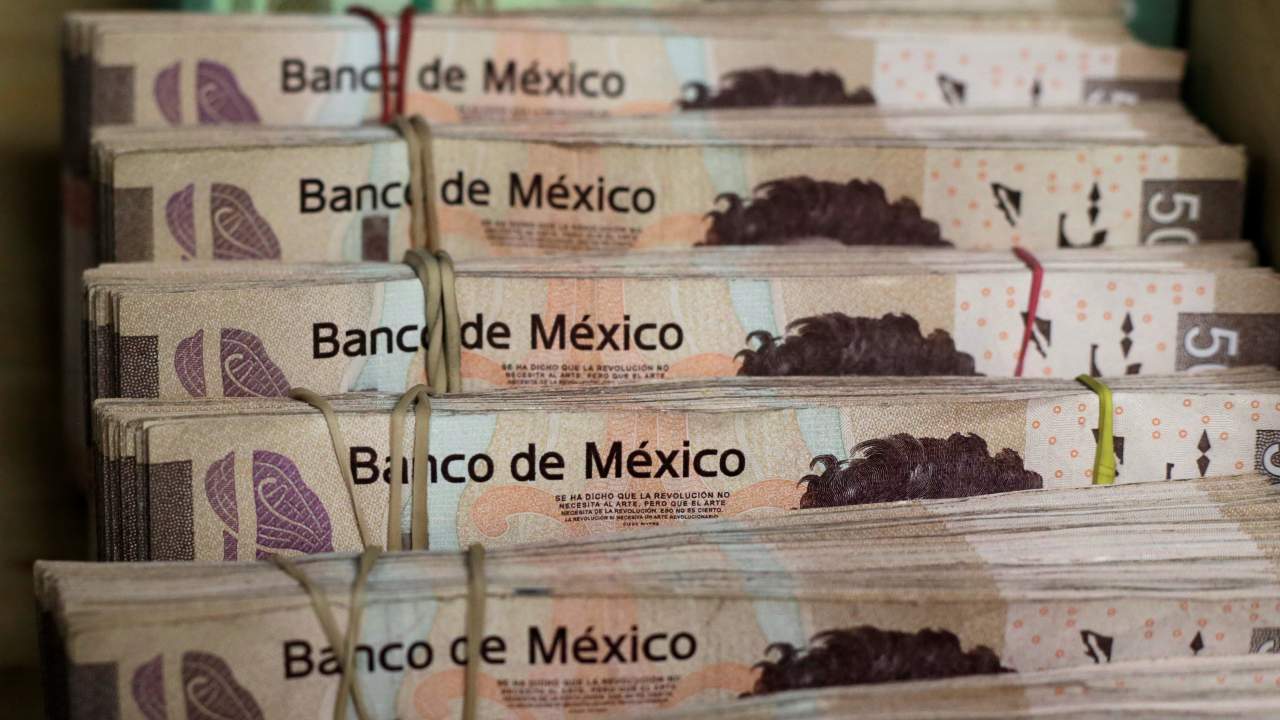
Ahead of its general elections, in 1994, the Mexican government looked to attract foreign investment with the issuance of short-term debt instruments that guaranteed a repayment in US dollars. But political disruptions in the country caused the risk premium on Mexican assets to increase. To prevent the flight of capital and keep the value of the Peso pegged to the dollar, the Mexican government began to issue public debt in dollar denominations that would buy the Mexican Peso. With this artificial intervention, the Peso strengthened and the demand for imports into Mexico increased. To ensure that the money supply in the economy was intact and interest rates do not rise, Mexico began to buy more dollar-denominated debt and service the earlier debt floated, depleting its own reserve of dollars. Once these reserves were depleted, the bank raised interest rates, which further hurt the economy as borrowing became expensive. The Peso was eventually allowed to float, leading to its hyperinflation of 52 percent. Eventually, Mexico’s banking system collapsed over multiple mortage payment defaults, and the country went into severe recession, with unemployment and poverty at peak levels. Mexico was bailed out by the US to the tune of $50 billion in January 1995. (Image: Reuters)
9/11
 as it was not able to stop the pound sterling to fall below a prescribed rate, despite the government's attempts to prevent the currency from slipping. Ace investor George Soros believed that the pound would continue to depreciate, and decided to short sell the currency, which further depreciated the pound’s value. Soros was estimated to have made a $1 billion from the short sale. He earned the moniker of the “Man who broke the Bank of England” for his feat on Black Wednesday. (Image: Reuters)")
In the forex world, September 16, 1992 is referred as "Black Wednesday". This was the infamous day when the UK was forced to withdraw its name from European Exchange Rate Mechanism (ERM) as it was not able to stop the pound sterling to fall below a prescribed rate, despite the government's attempts to prevent the currency from slipping. Ace investor George Soros believed that the pound would continue to depreciate, and decided to short sell the currency, which further depreciated the pound’s value. Soros was estimated to have made a $1 billion from the short sale. He earned the moniker of the “Man who broke the Bank of England” for his feat on Black Wednesday. (Image: Reuters)
10/11
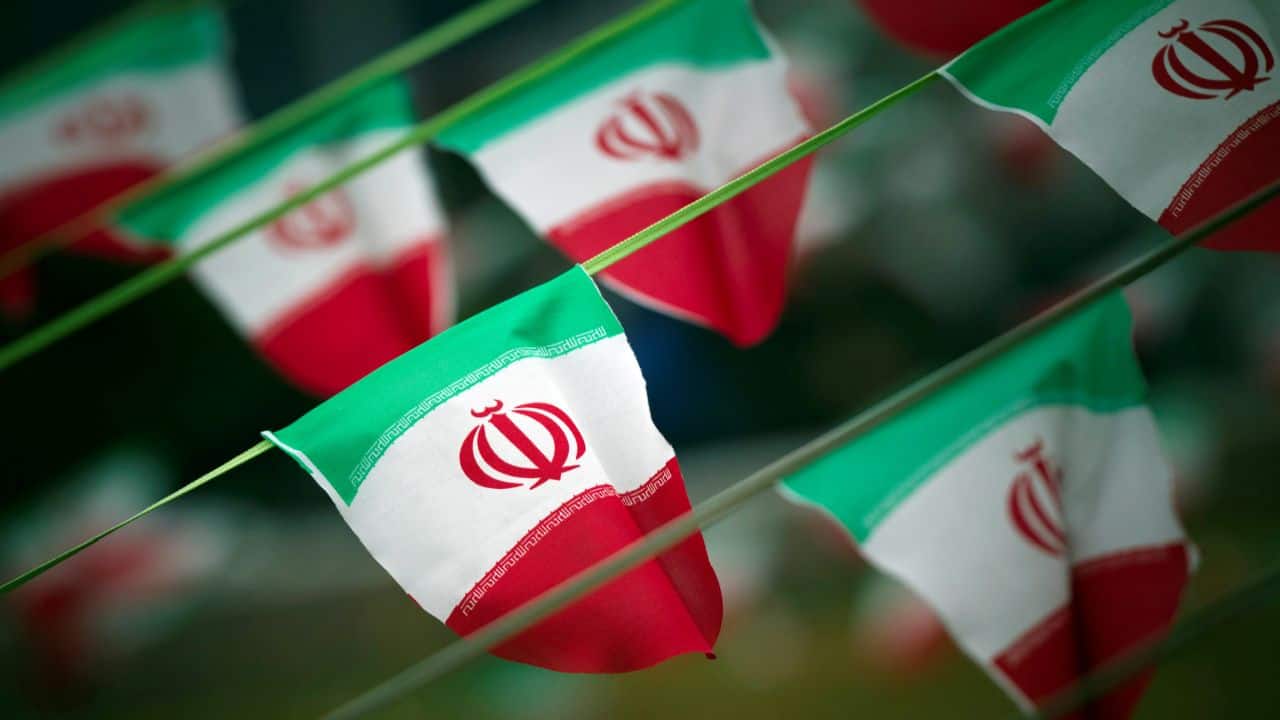
Iran's currency, the rial, has been plunging to new lows over a weak economy, financial difficulties at local banks and heavy demand for dollars among Iranians who are concerned over the effects of sanctions imposed by the US. The currency is placed at 60,000 rials to the dollar, which was a loss of one-third of its value in 2018 alone. While citizens are not exactly shoveling out bricks after bricks of cash for a loaf of bread, they have to think twice before spending as goods are beginning to see a sharp rise in prices. (Image: Reuters)
11/11
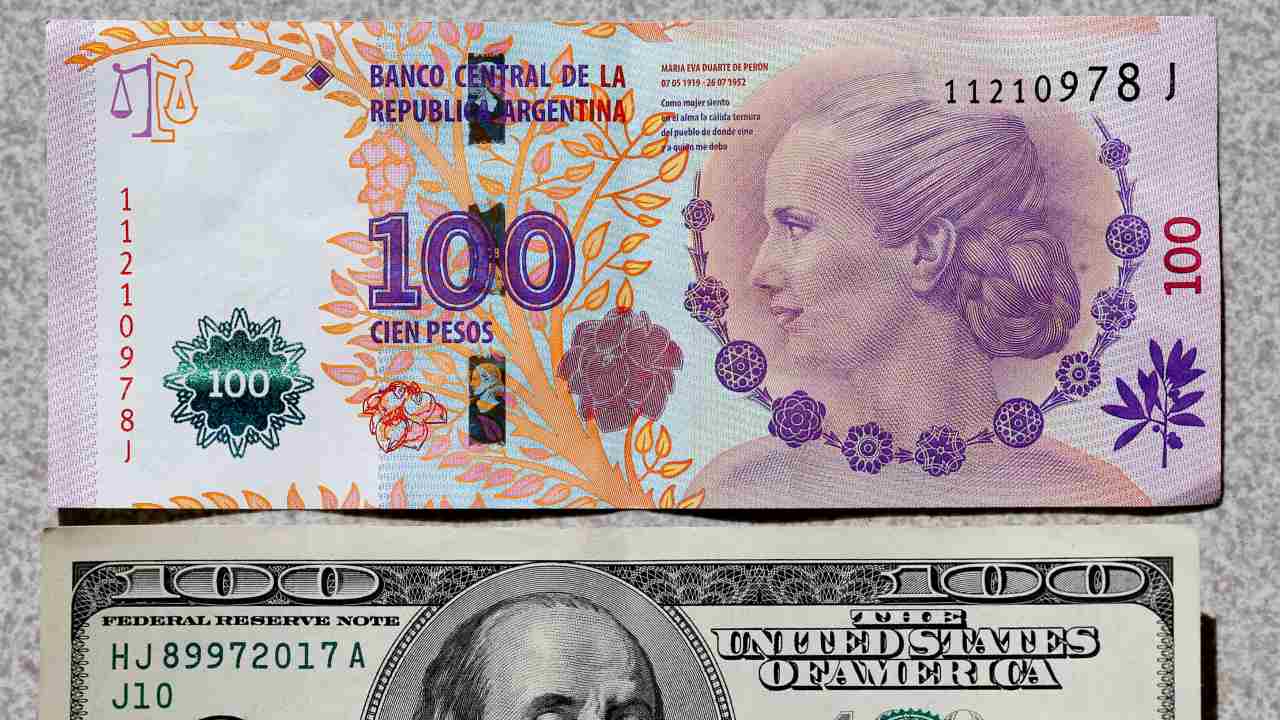
Argentina faced the worst drought in 50 years in 2018, which severely affected production of key crops like maize and soya bean. International investors decided to shed risky assets over a strengthening dollar and higher US Treasury yields in May. A rise of the country’s current account deficit rose to 5 percent of GDP. In light of all these factors, inflation on the country’s currency continues to ride high, at 25 percent since July. Interest rates were placed to 40% to prevent the fall of the peso. The IMF even managed to secure a $50 billion credit line, but analysts predict that the country will dive into recession in the third quarter. (Image: Reuters)
Discover the latest Business News, Budget 2025 News, Sensex, and Nifty updates. Obtain Personal Finance insights, tax queries, and expert opinions on Moneycontrol or download the Moneycontrol App to stay updated!



