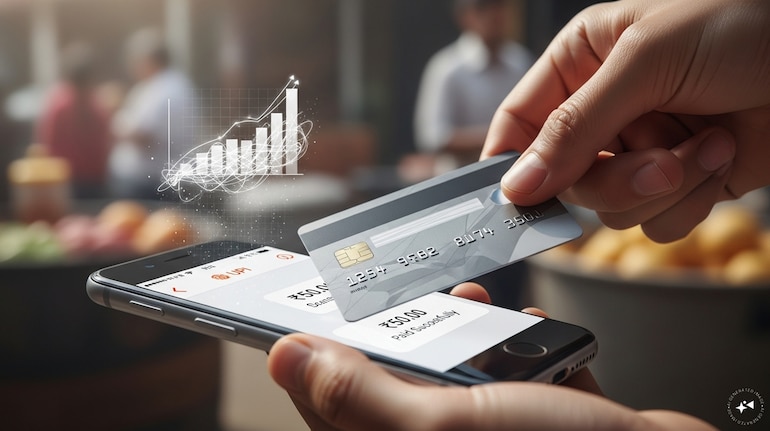

As UPI becomes the default way most Indians pay for everyday purchases, another shift is taking shape. With credit cards now enabled on UPI, small payments that were once made through cash or debit cards, such as groceries, local shop purchases, or food orders, are increasingly being routed through credit cards.
This change raises an interesting question about credit behaviour. Can frequent, low-value UPI transactions on credit cards play a role in strengthening an individual’s credit score over time?
“Twenty small, consistent transactions in a month can do more for a thin credit file than a single large purchase ever could, because what bureaus are really looking for isn't scale. It's discipline,” said Bhargav Errangi, CEO & Founder of POP UPI.
According to credit bureaus such as TransUnion CIBIL, Experian, Equifax and CRIF High Mark, what matters far more than the size of individual transactions is the pattern of behaviour they reveal. Credit scoring models typically place the highest weight on repayment history, followed by credit utilisation, the length of credit history, and the overall mix of credit products a person uses.
Manish Shara, Co-founder and CEO, ZET said, “Small UPI payments on a credit card can still contribute to a positive credit profile, provided they are managed responsibly. When the full outstanding balance is cleared on time, every time, it creates a consistent repayment record. For many consumers, especially those who use their credit cards only occasionally, routing everyday payments through the card can create visible activity in their credit history.”
Small, frequent transactions when paid in full before the due date signal responsible behaviour and help keep your credit activity active.
But the benefit is not automatic. If these small payments start adding up and you fail to pay the full bill, it can hurt your score. High usage, even with tiny transactions, can increase your credit utilisation ratio, which lenders closely monitor. Missing even a single payment can undo months of good behaviour.
Errangi said, “The ease of a scan-and-pay flow can quietly push a user into overexposure that signals not financial maturity, but credit hunger. Bureau’s notice. Scores suffer.”
He said that the guardrails are simple, even if the temptation isn't. Keeping total spends below 30 percent of the available credit limit and treating every UPI transaction with the same intentionality as a debit swipe are the two habits that separate a credit builder from a debt accumulator. “The path from credit novice to prime borrower has never been shorter - but it runs entirely on behavioural consistency, not ticket size,” said Errangi.
However, there are also cases where such usage may not be very helpful. If your credit limit is very low or your credit history is too new, small UPI spends and small bills alone may not significantly improve your score. Similarly, if you already have a strong credit profile, the impact may be minimal.

Discover the latest Business News, Sensex, and Nifty updates. Obtain Personal Finance insights, tax queries, and expert opinions on Moneycontrol or download the Moneycontrol App to stay updated!
Find the best of Al News in one place, specially curated for you every weekend.
Stay on top of the latest tech trends and biggest startup news.